Initial report:
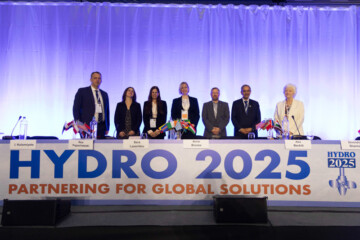
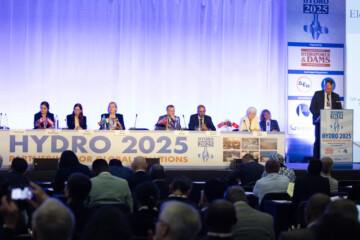
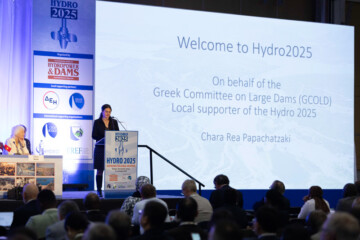
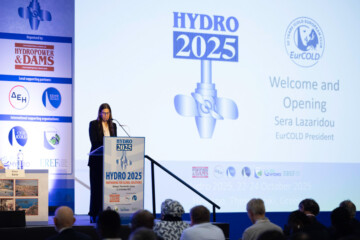
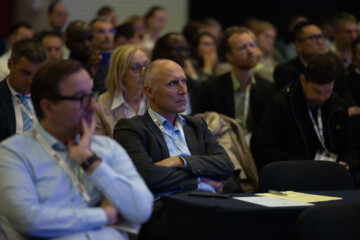
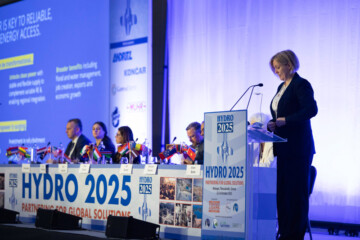
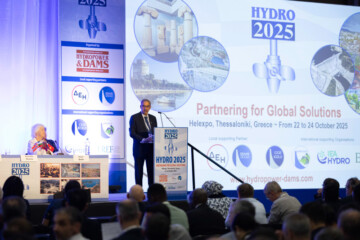
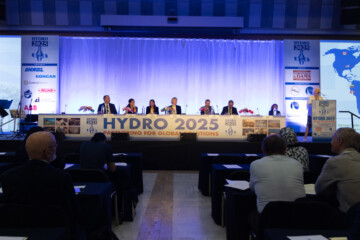
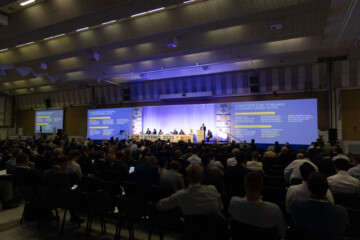
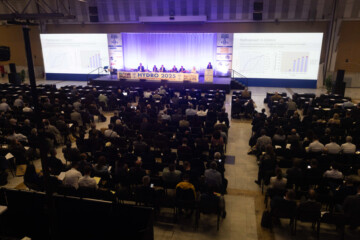
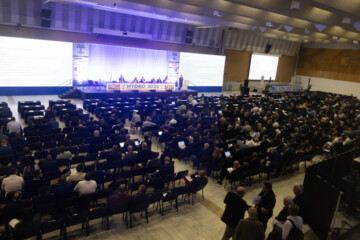
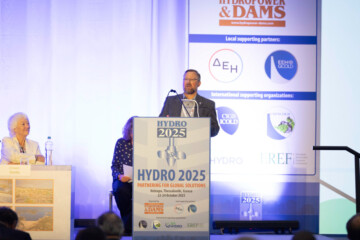
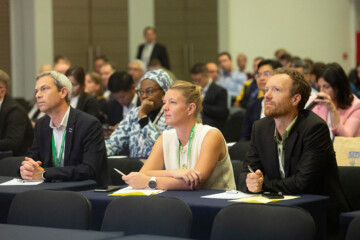
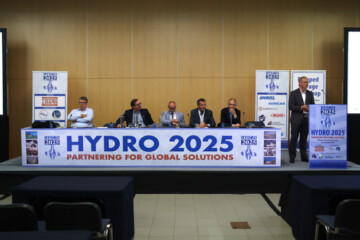
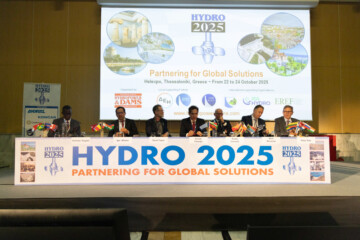
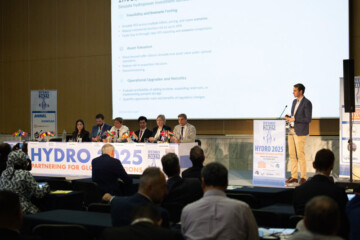
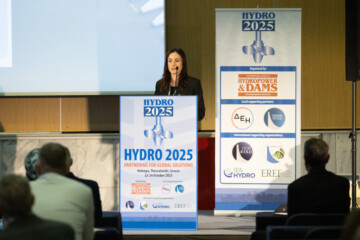
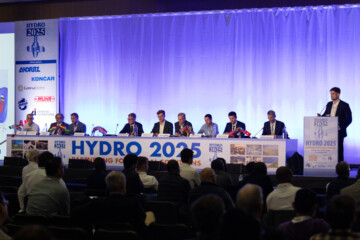
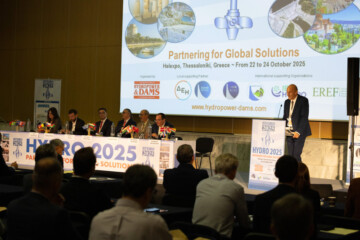
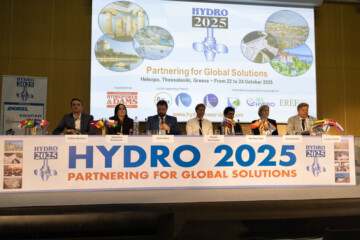
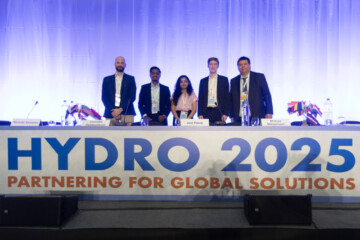
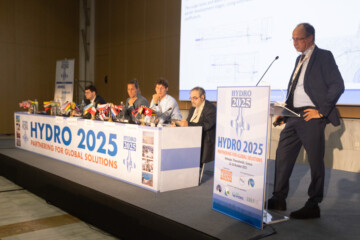
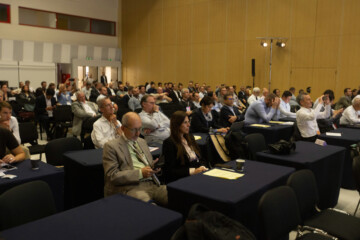
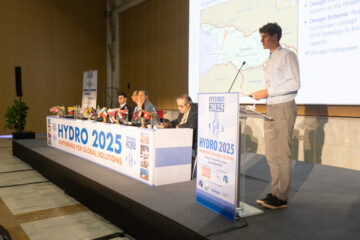
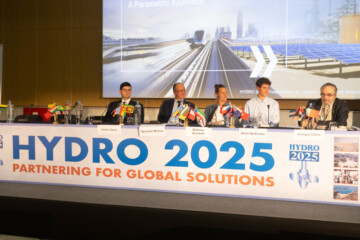
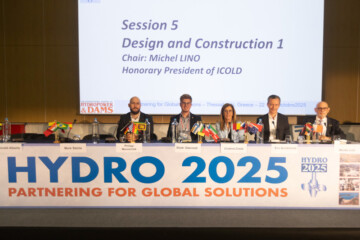
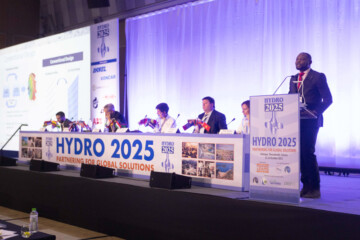
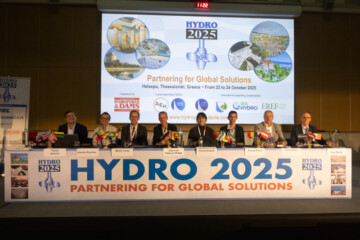
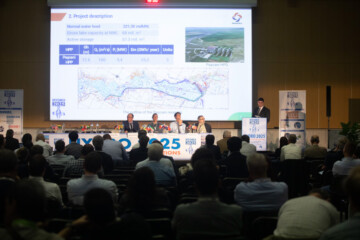
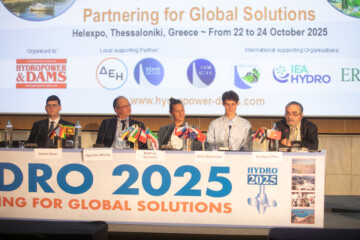
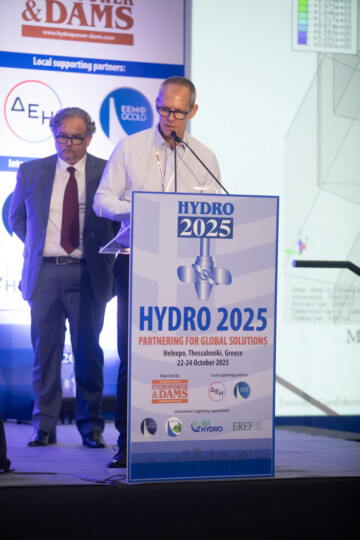
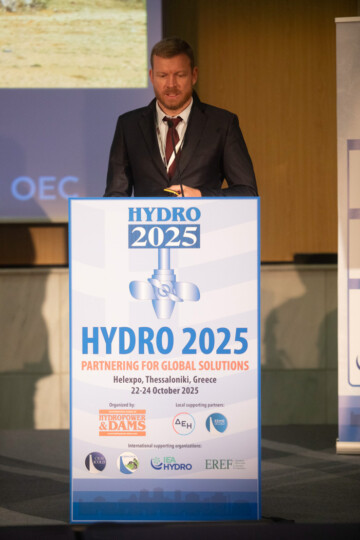
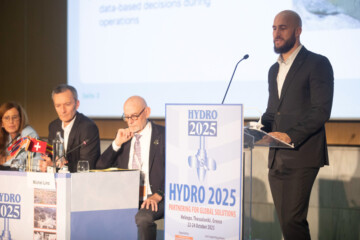
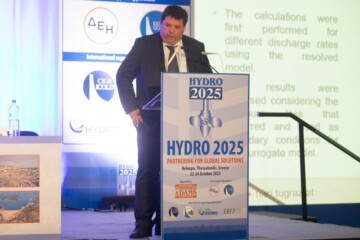
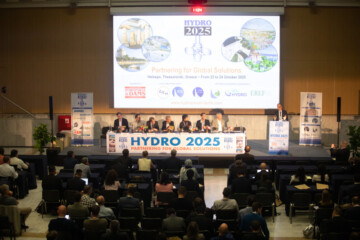
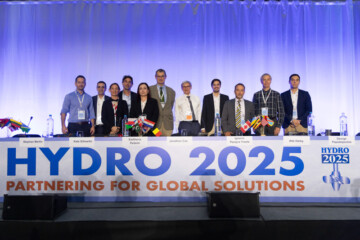
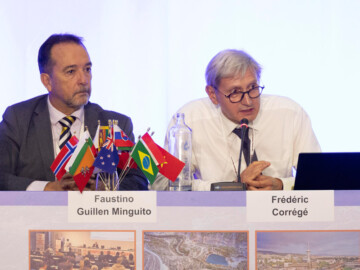
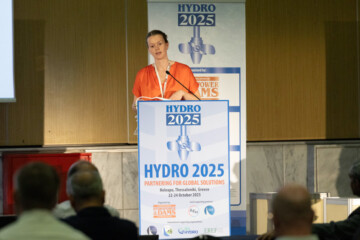
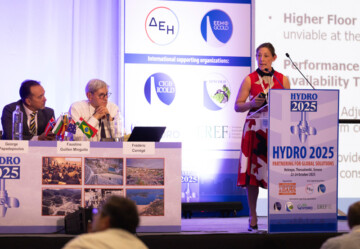
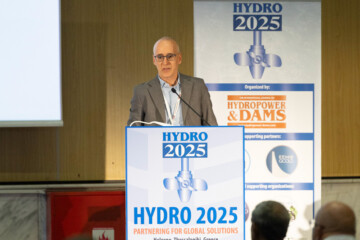
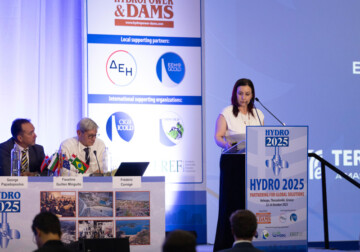
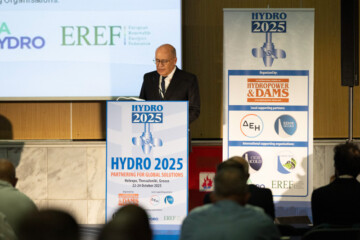
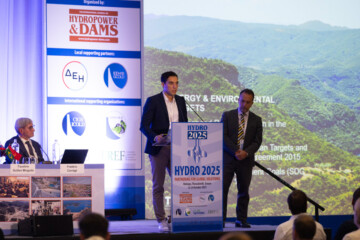
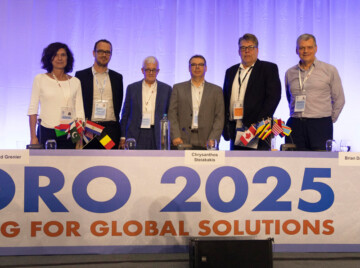
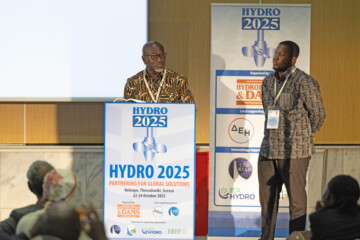
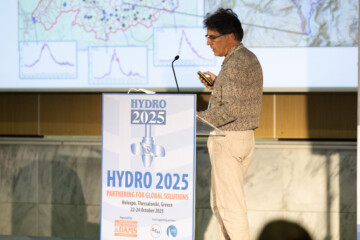
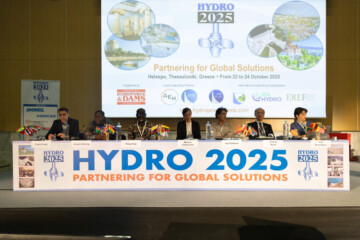
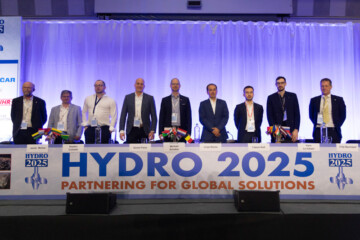
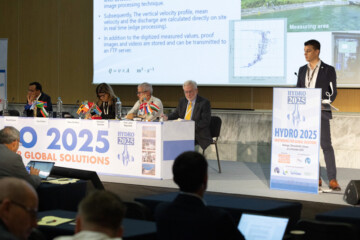
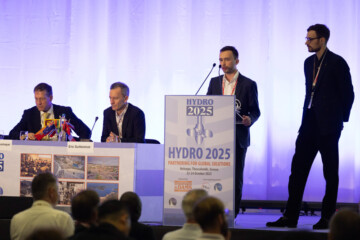
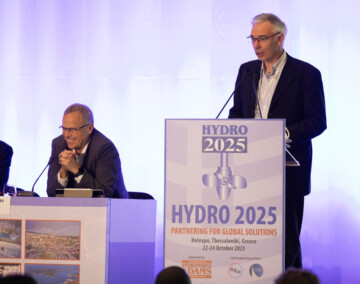
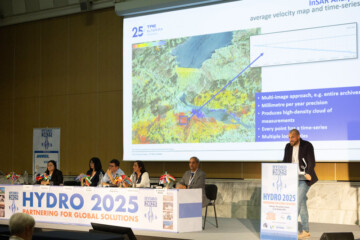
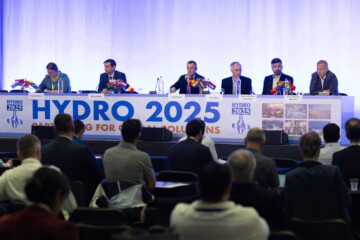
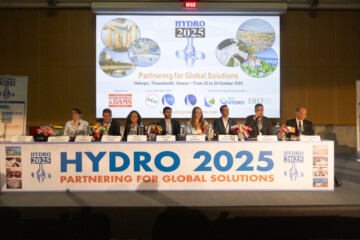
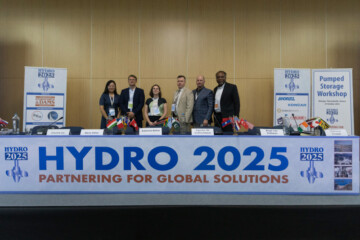
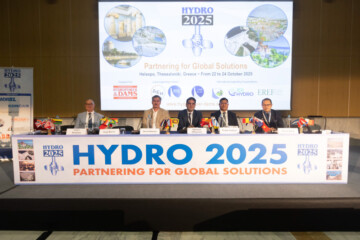
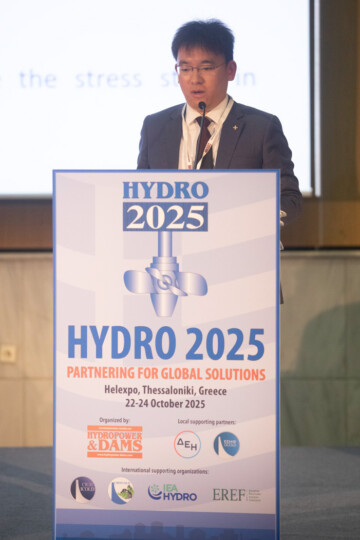
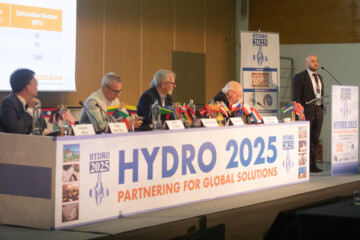
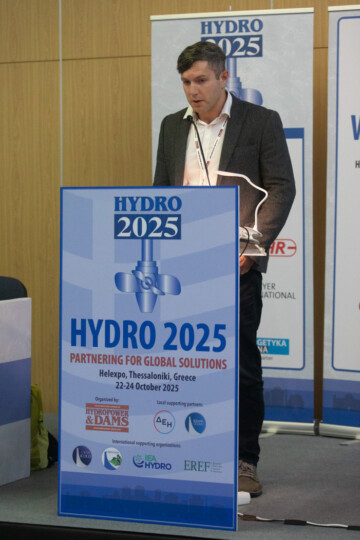
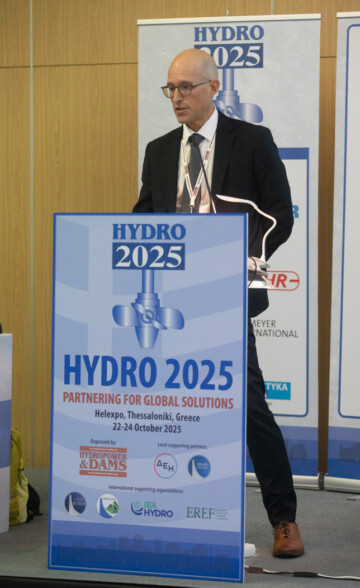
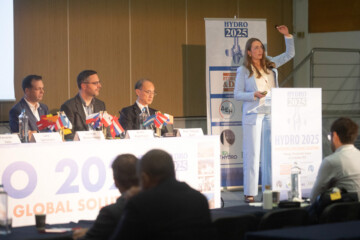
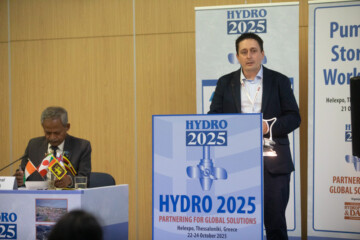
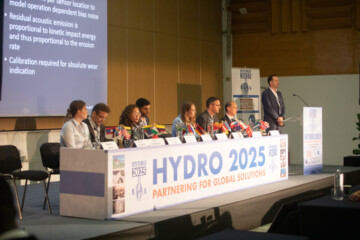
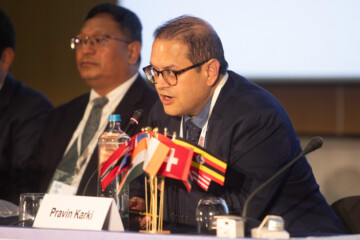
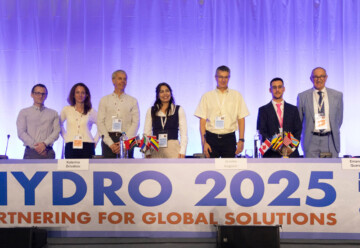
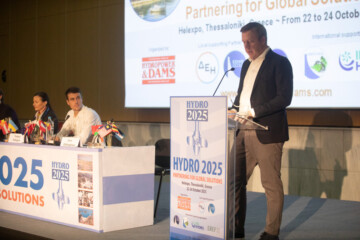
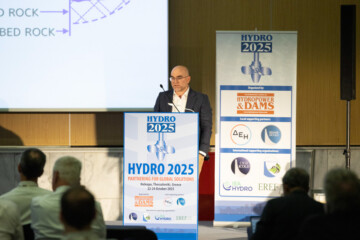
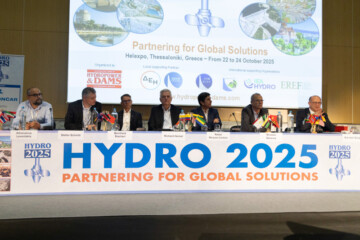
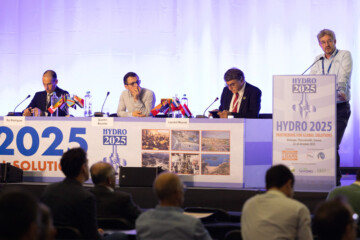
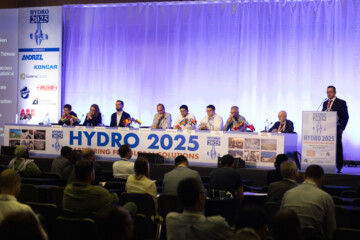
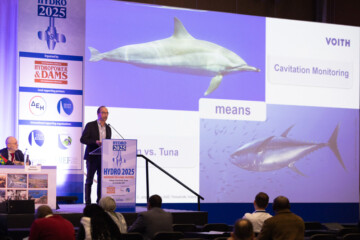
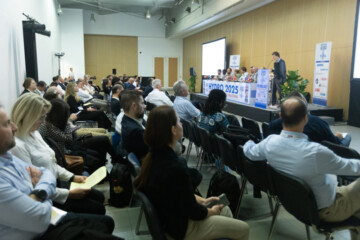
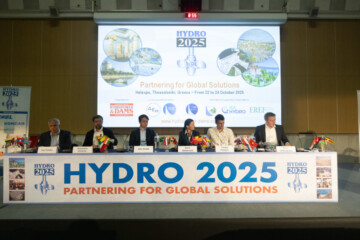
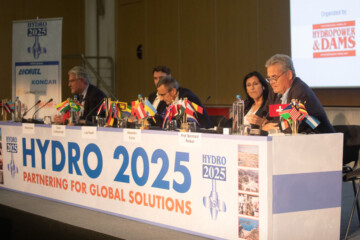
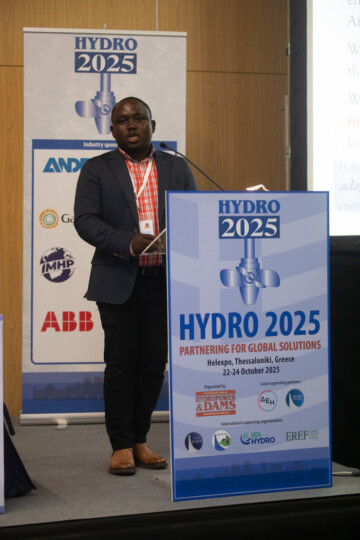
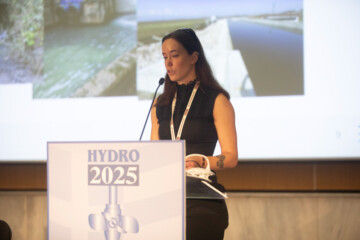
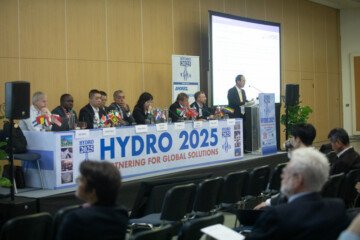
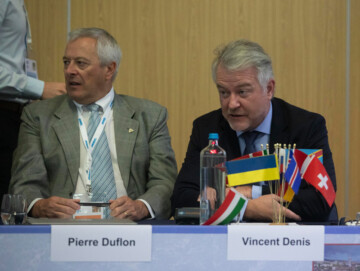
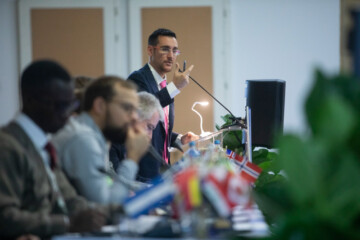
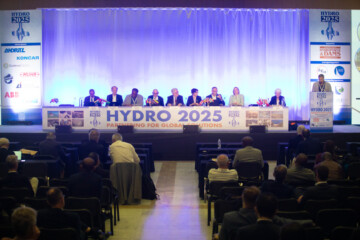
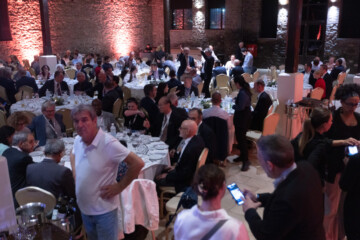
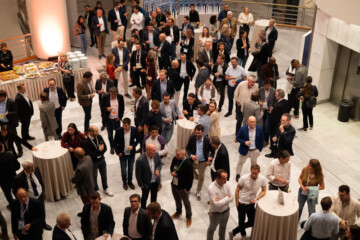
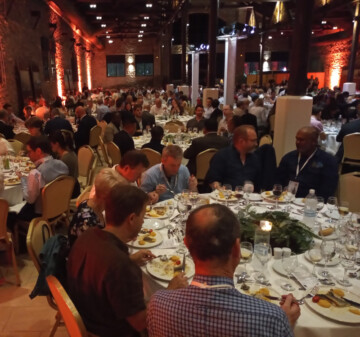
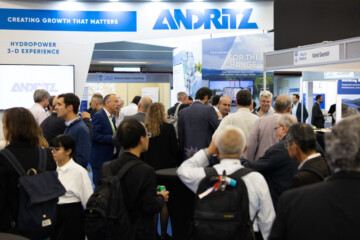
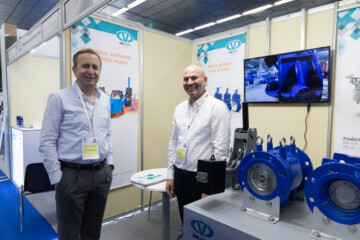
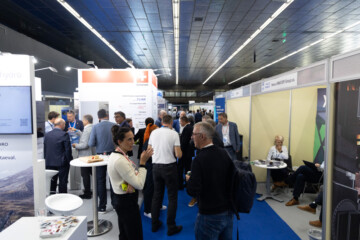
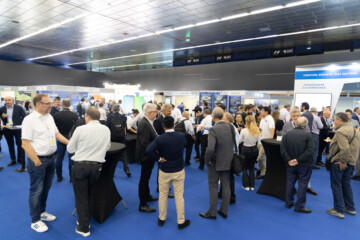
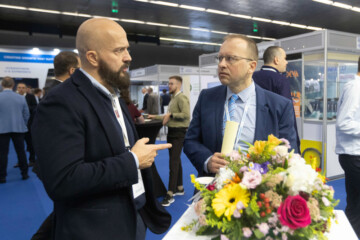
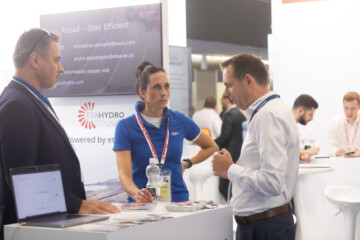
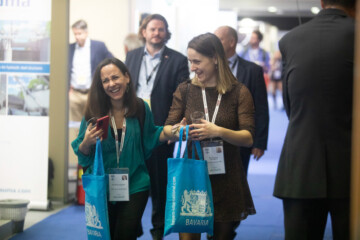
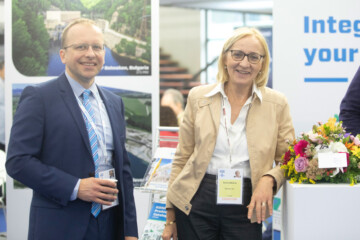
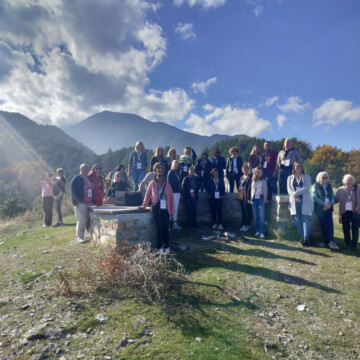
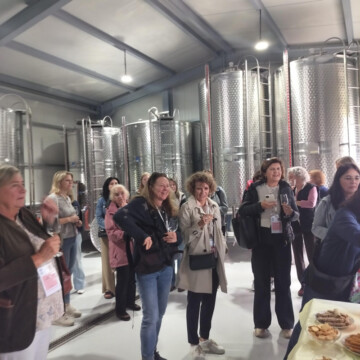
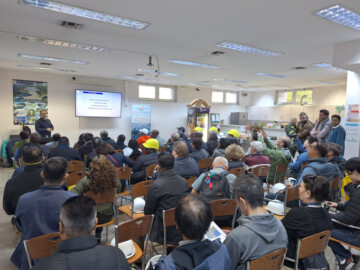
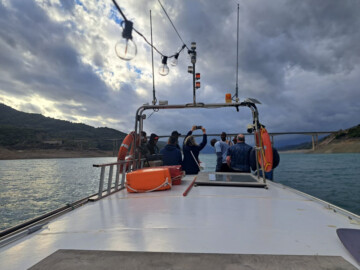
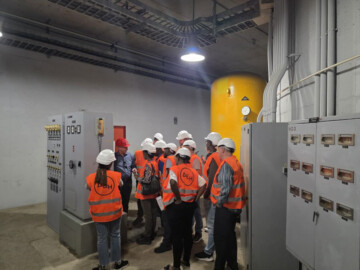
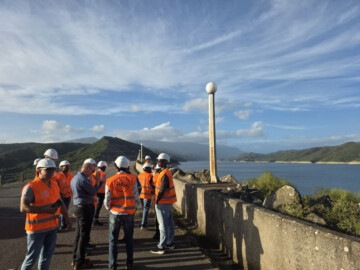
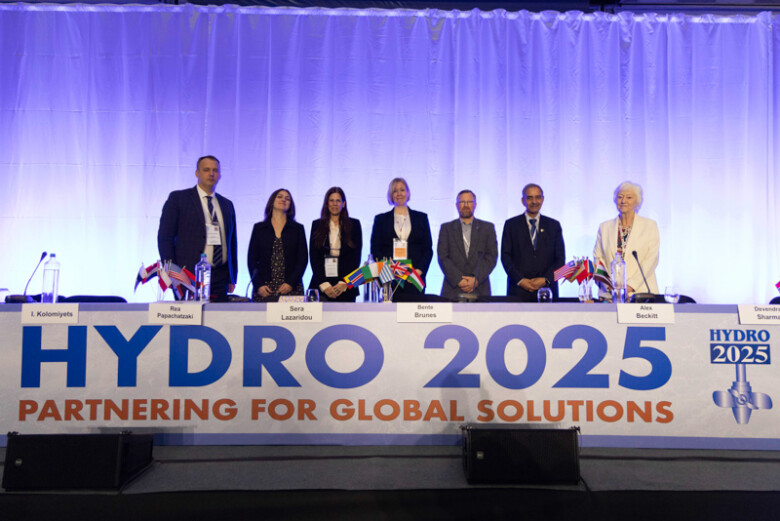
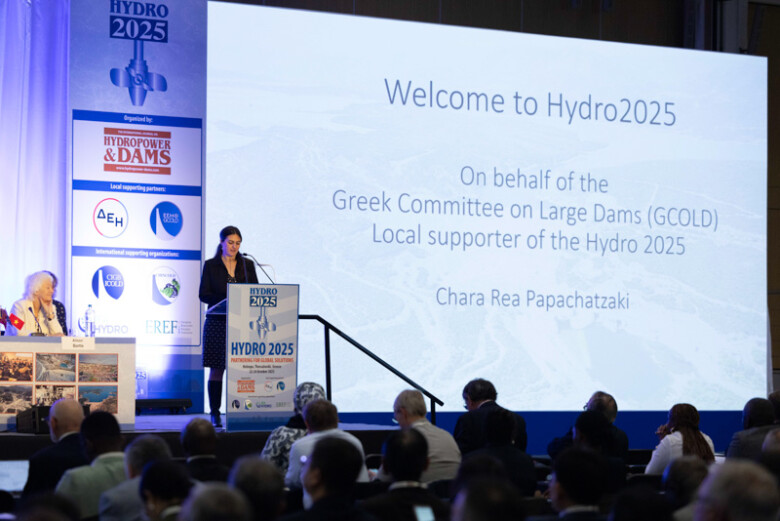
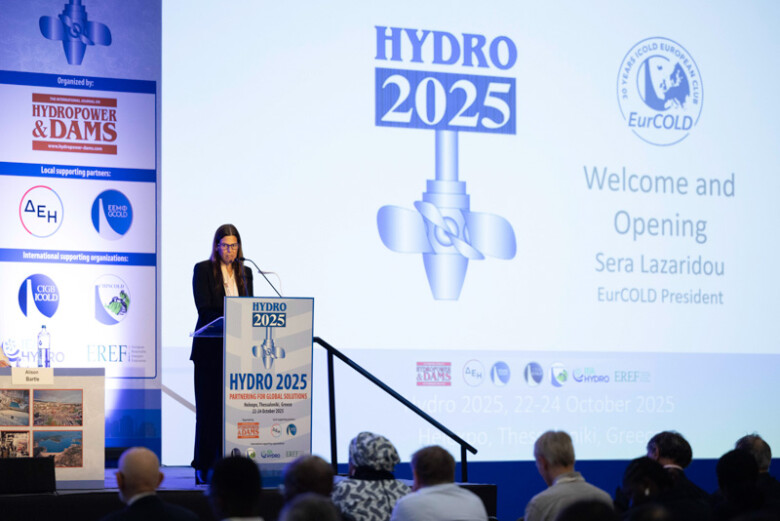
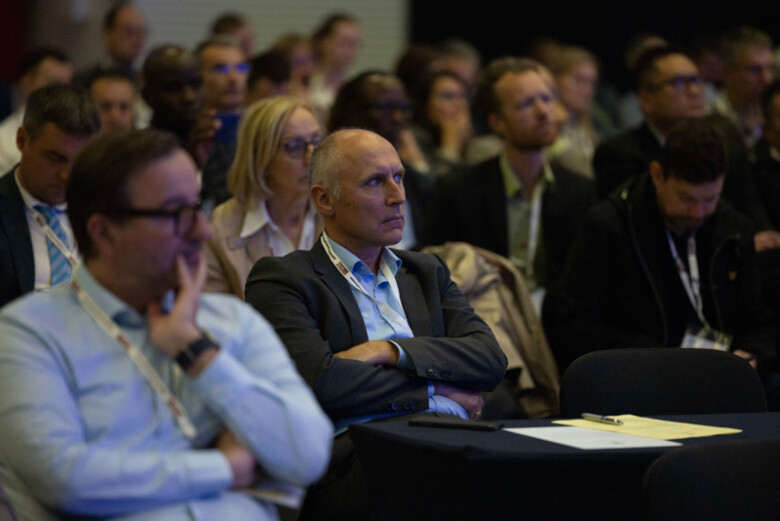
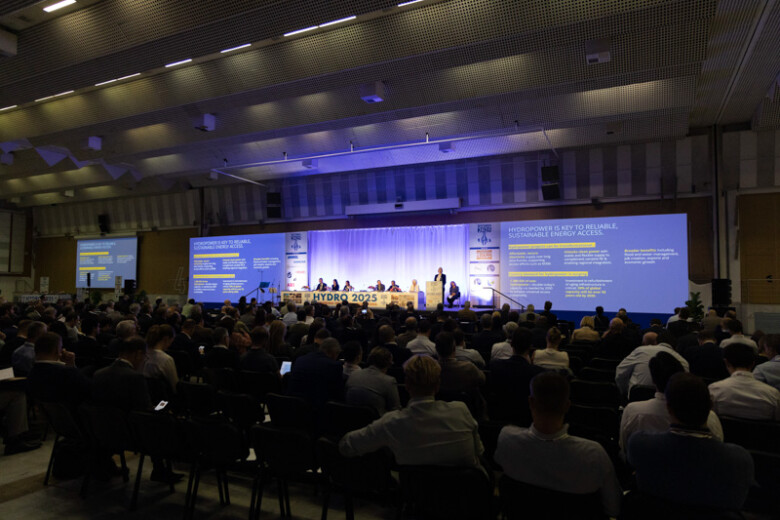
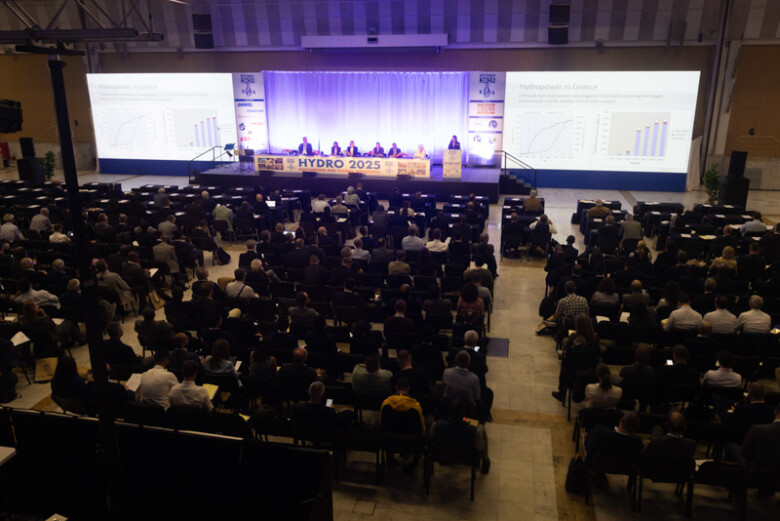
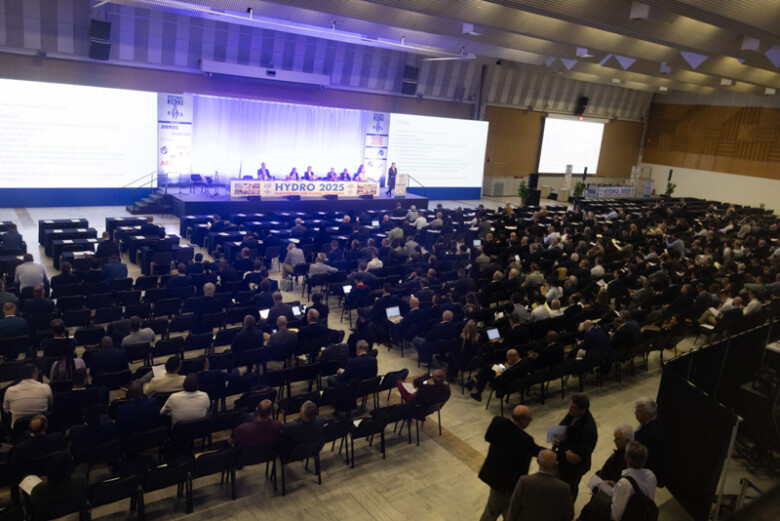
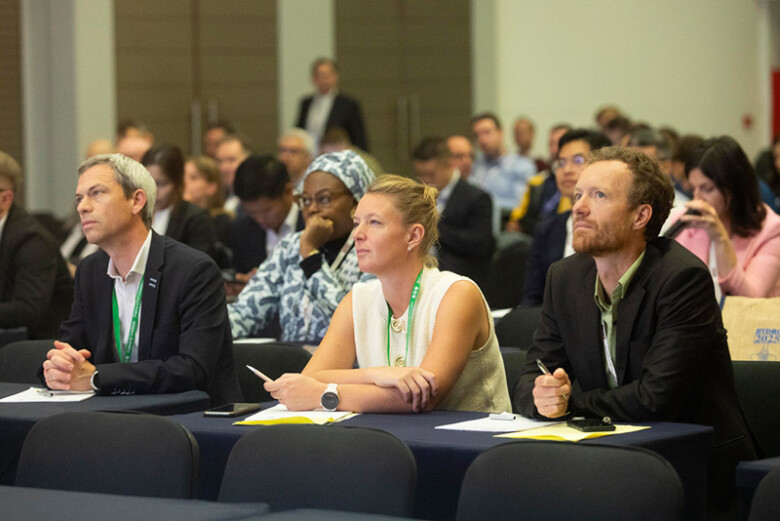
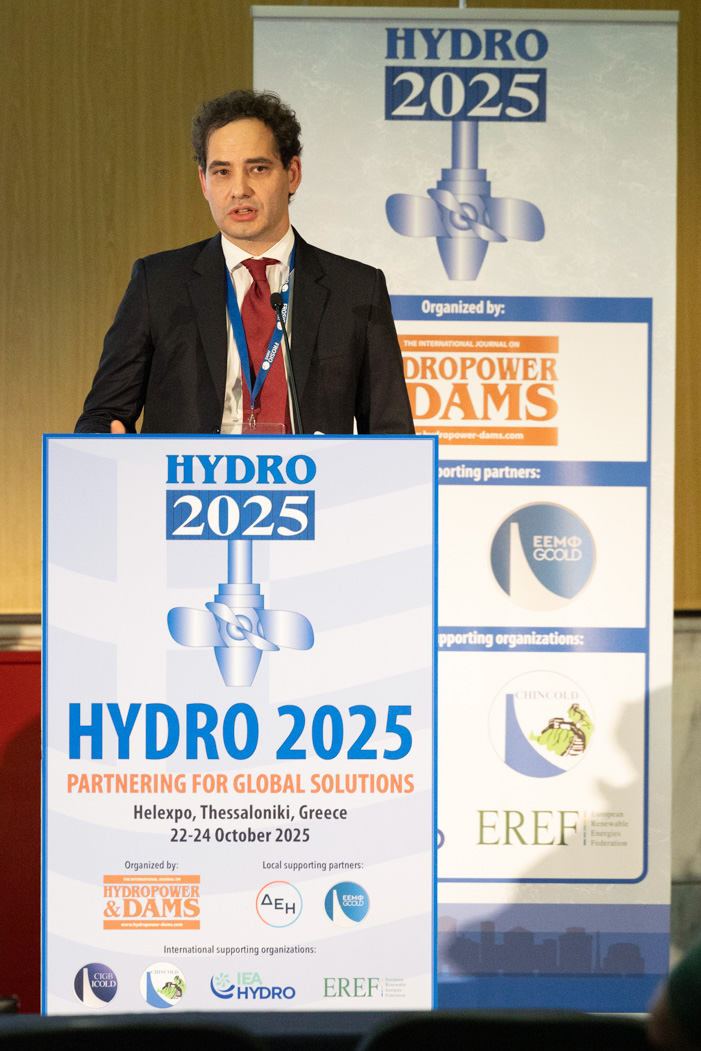
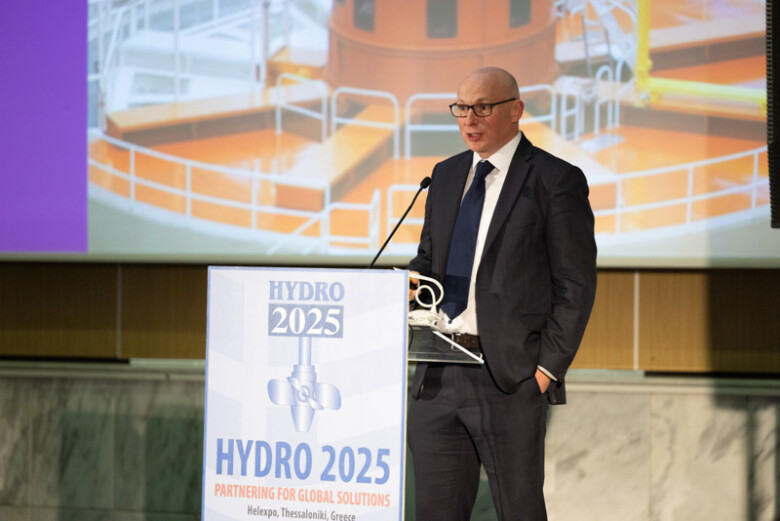
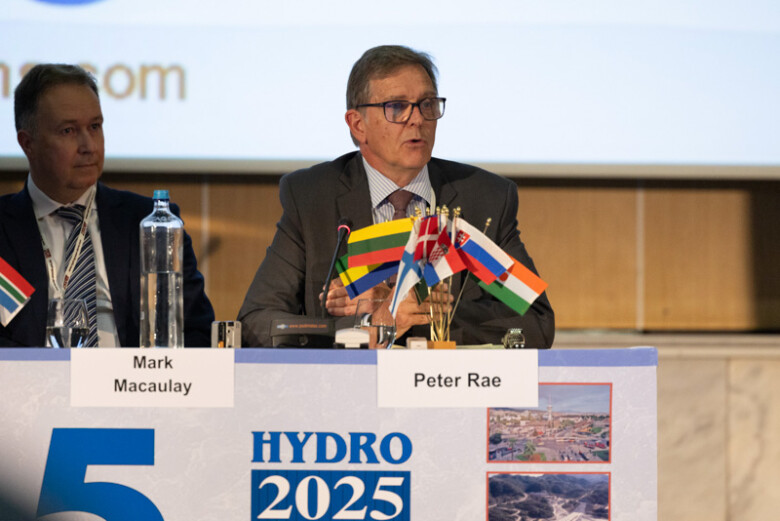
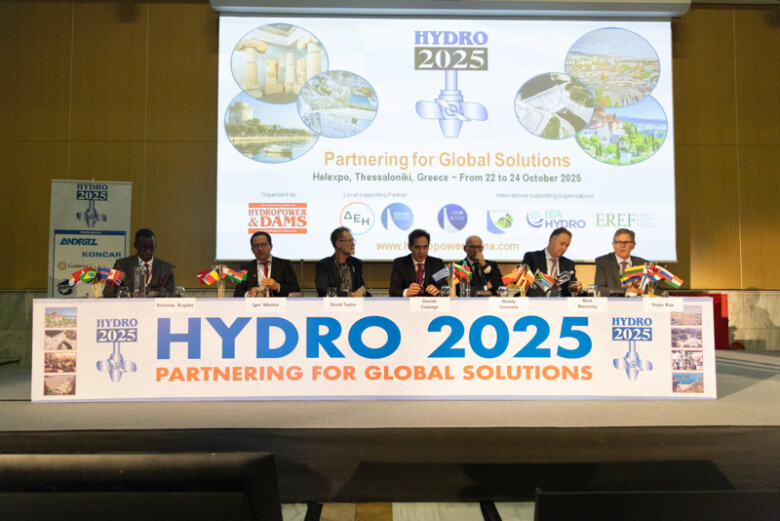
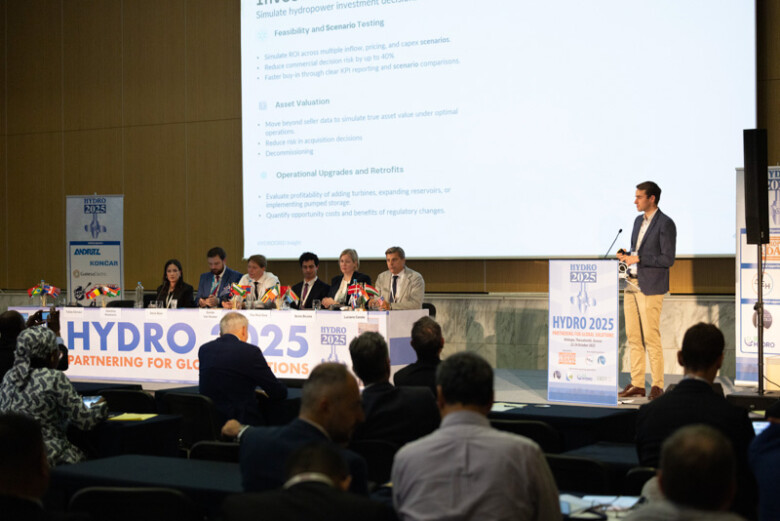
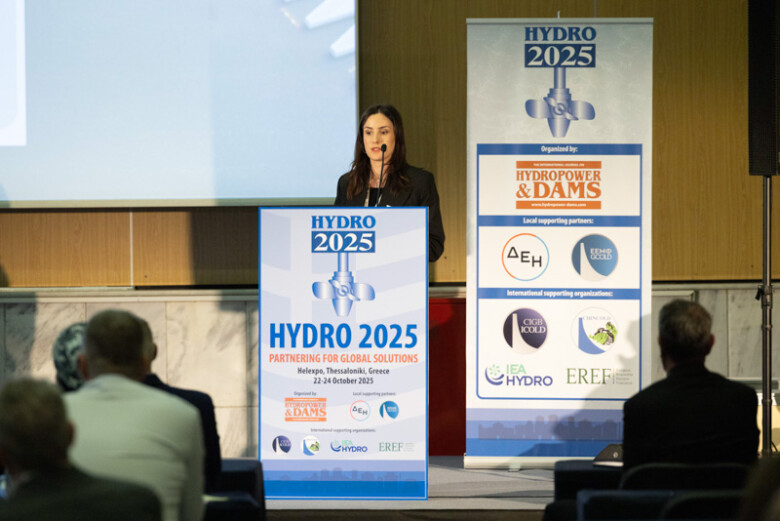
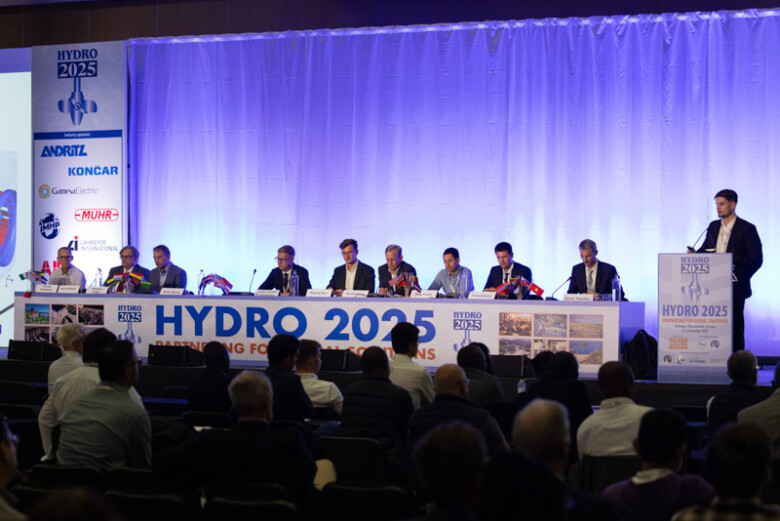
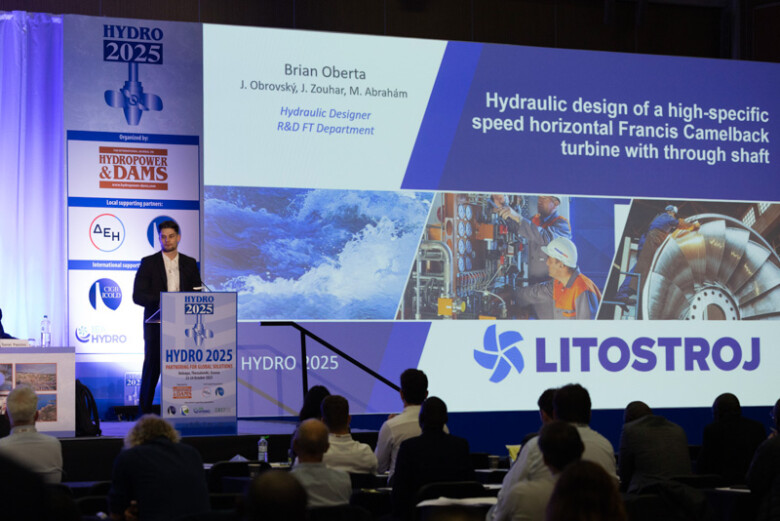
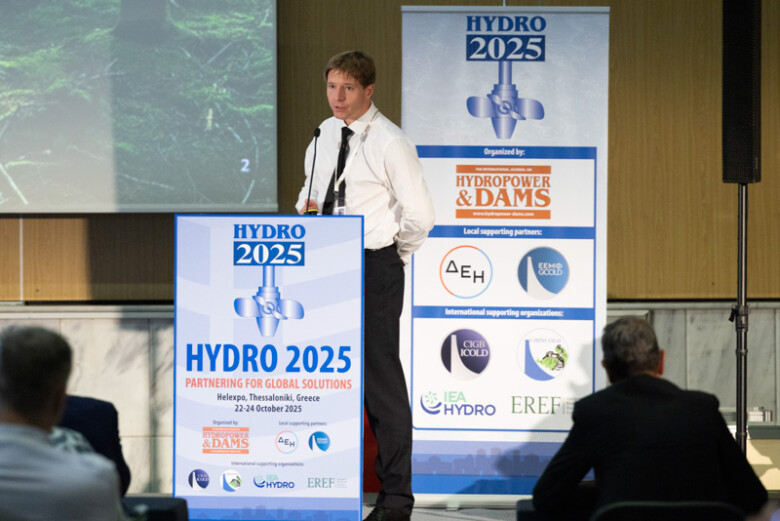
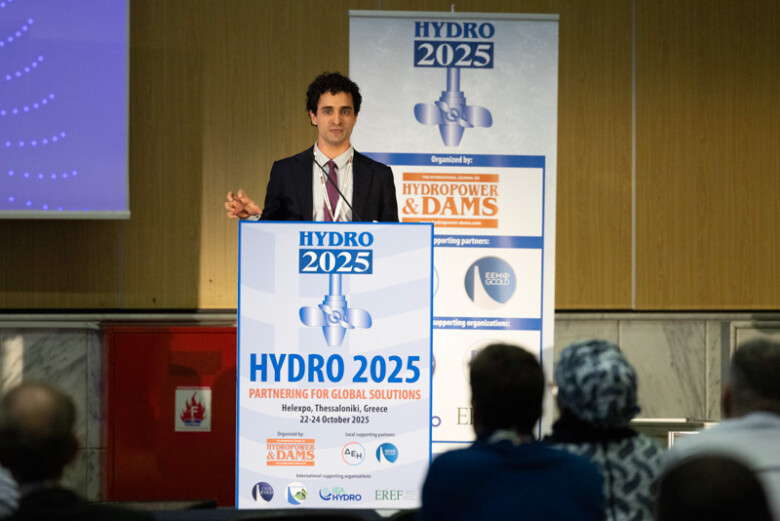
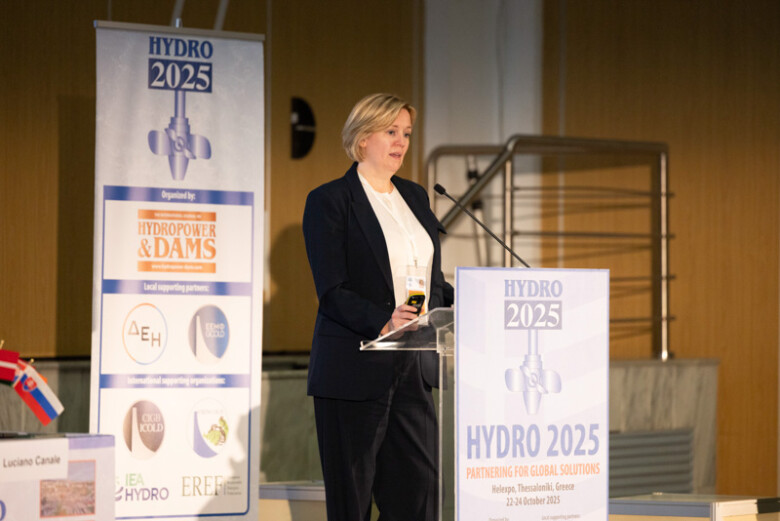
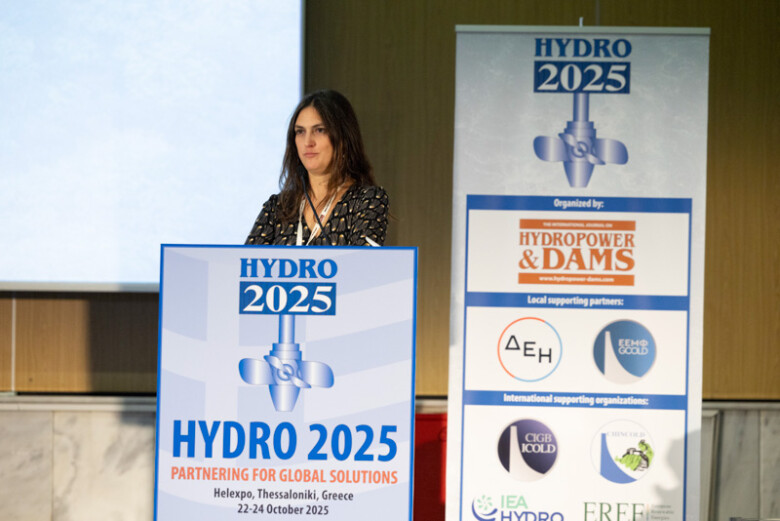
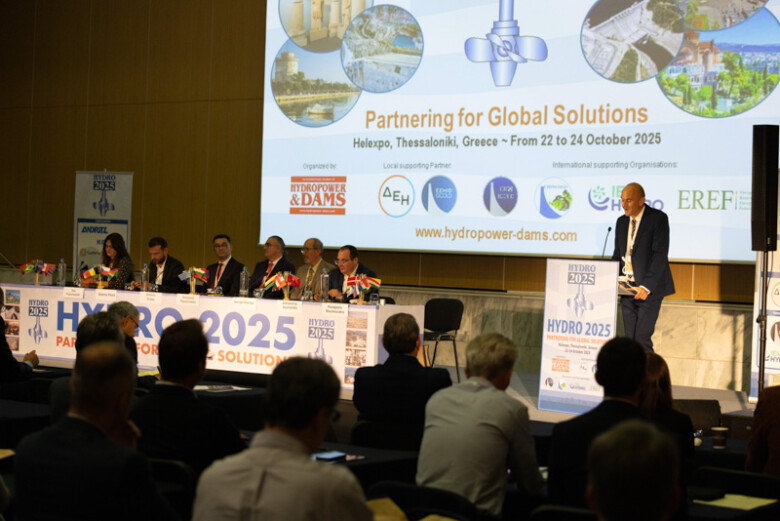
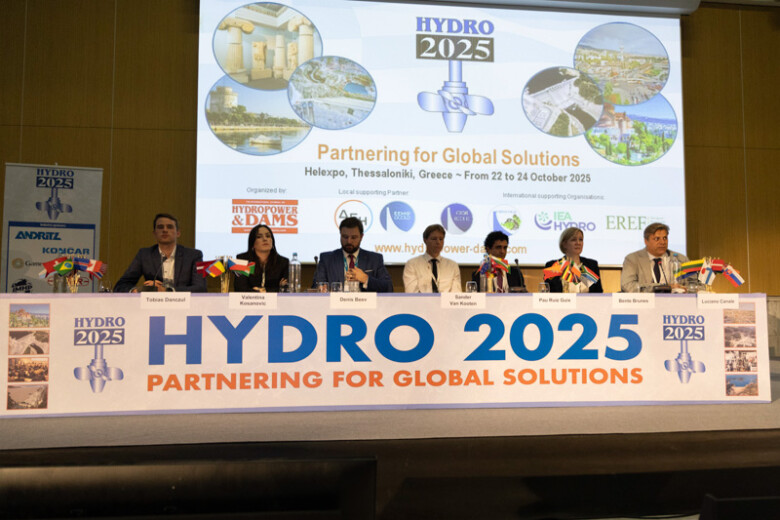
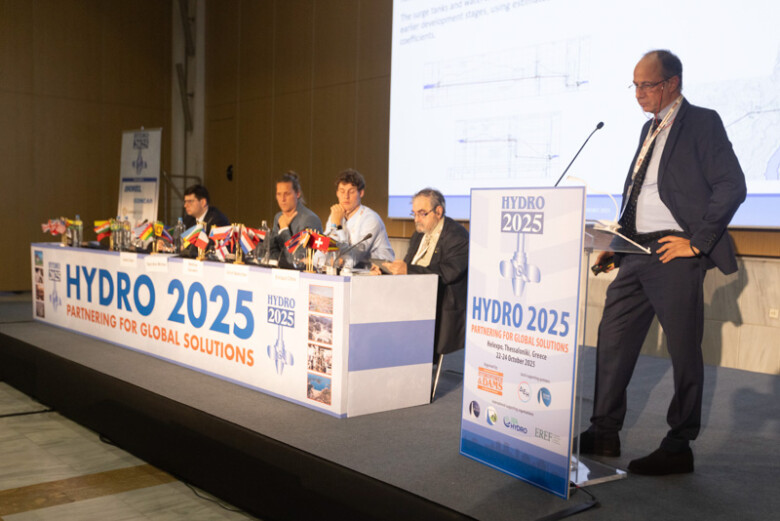
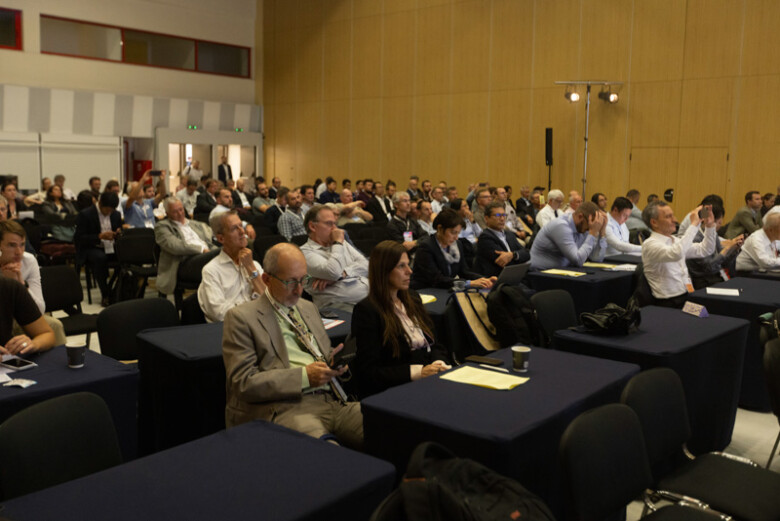
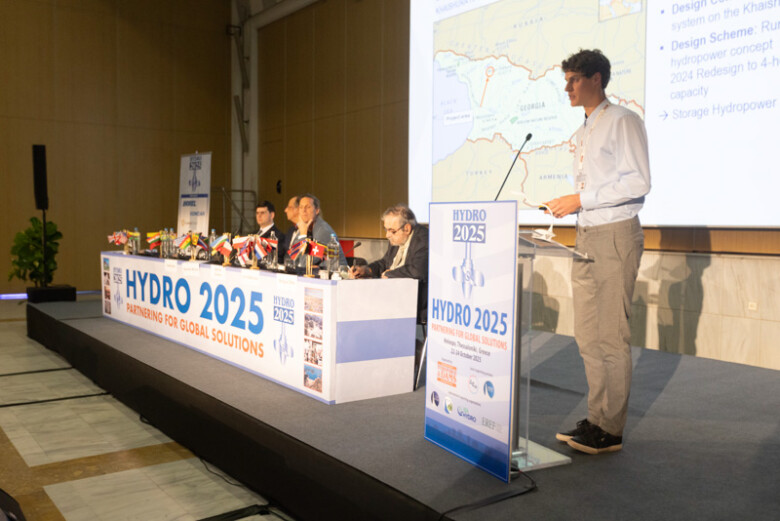
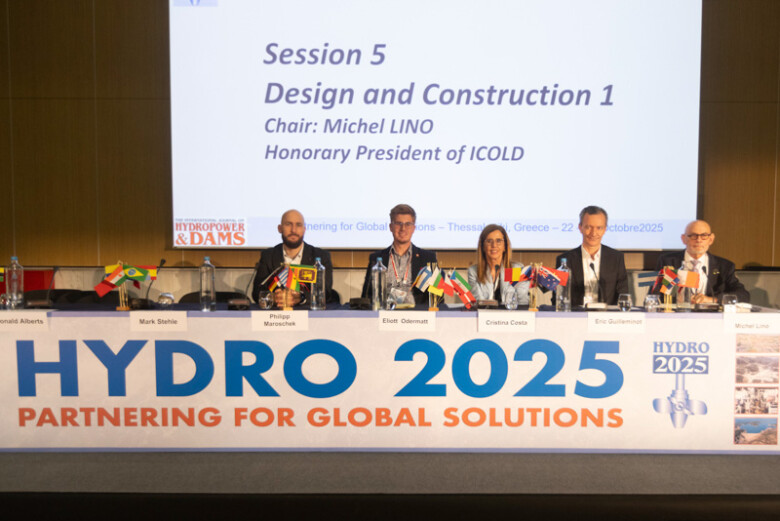
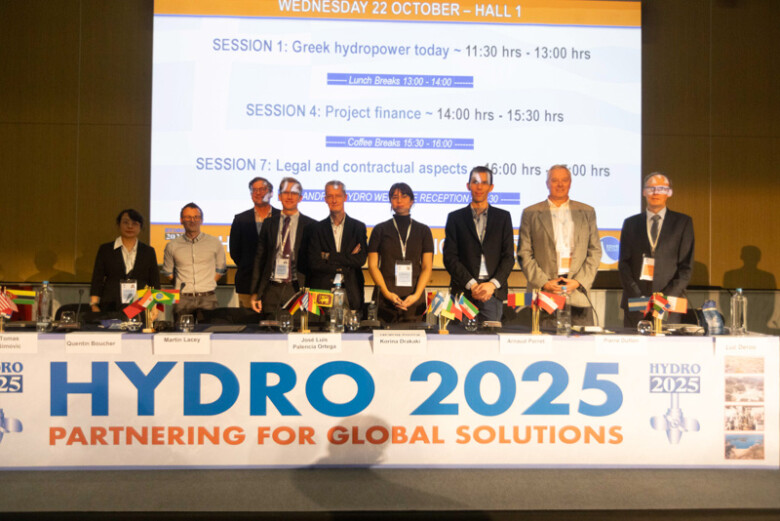
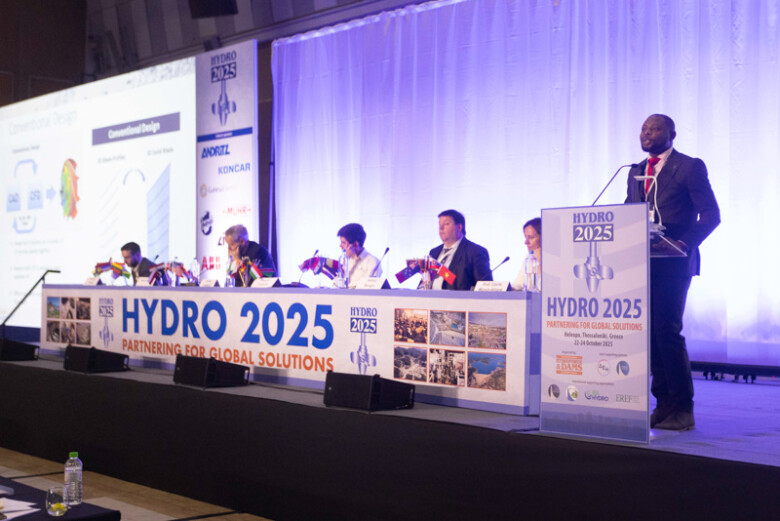
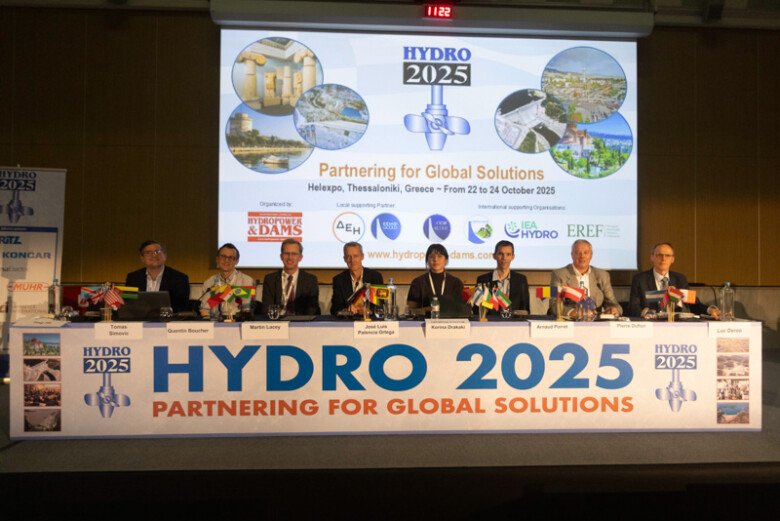
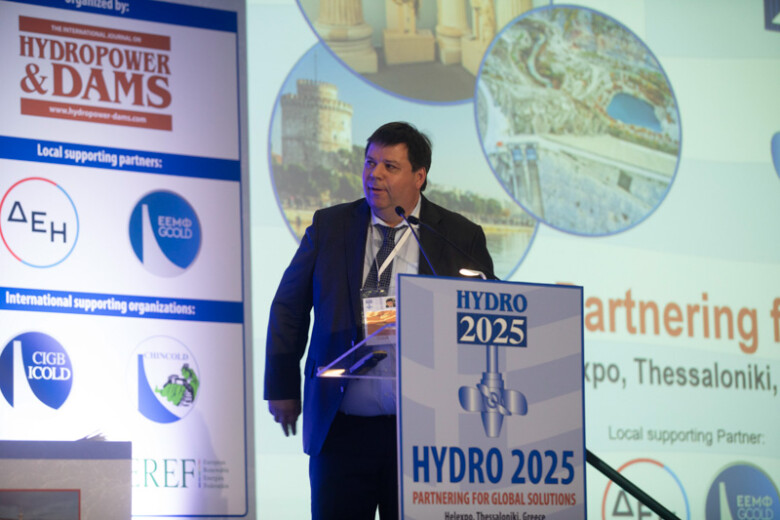
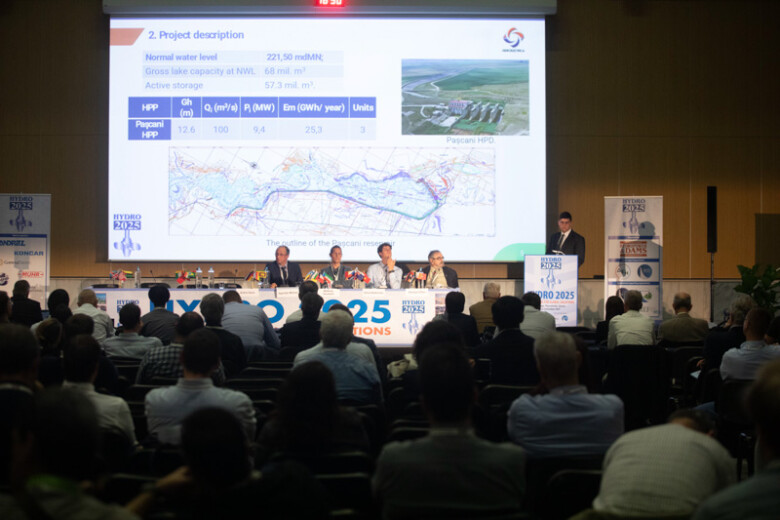
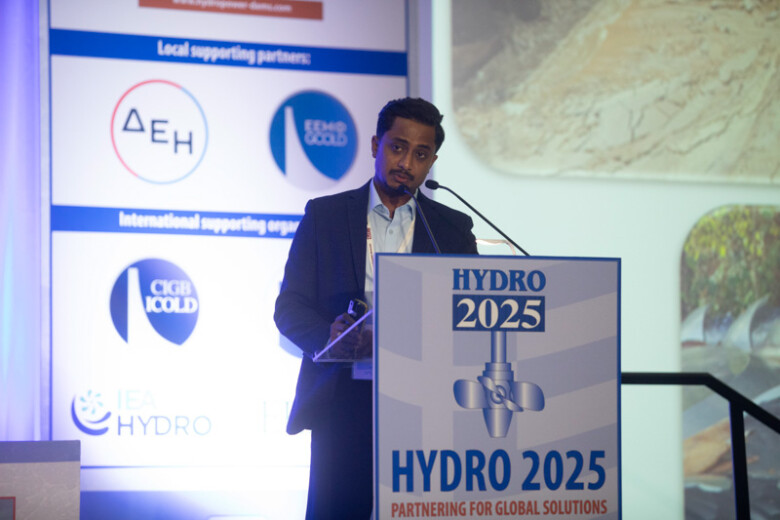
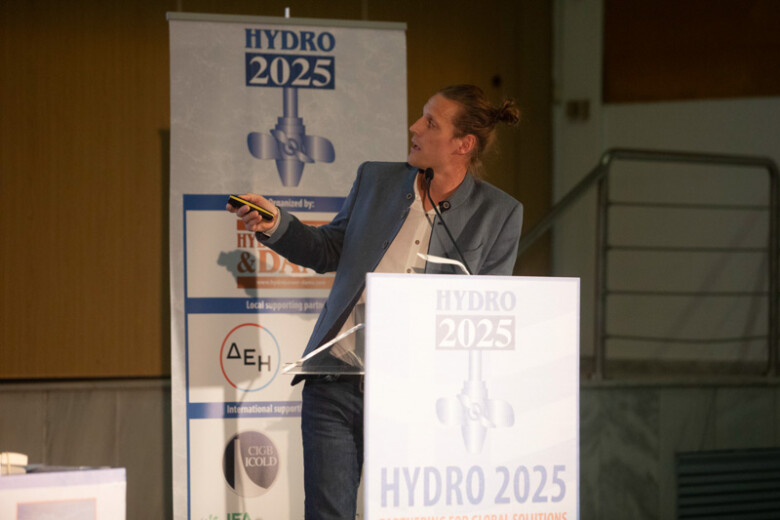
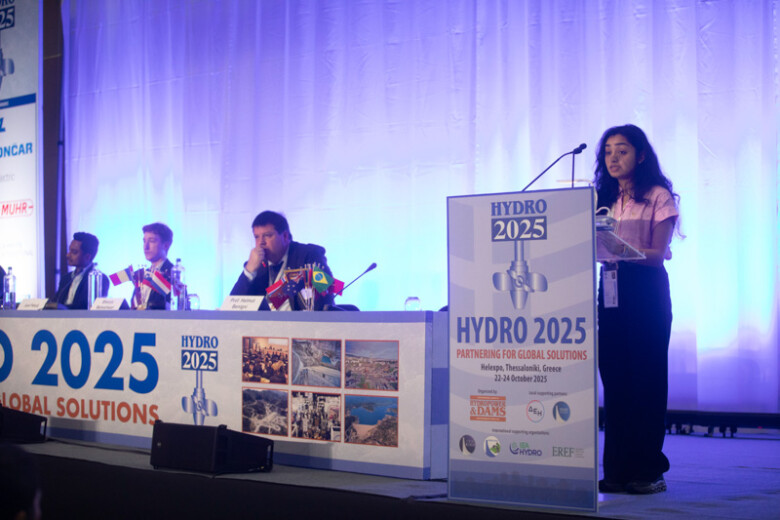
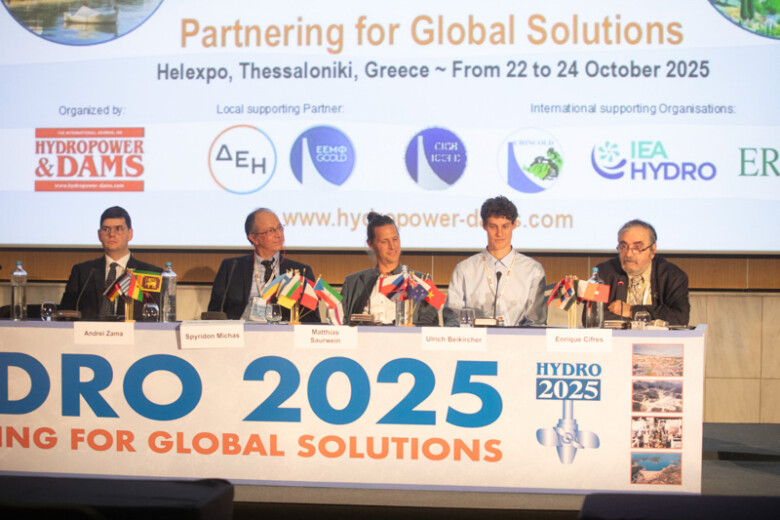
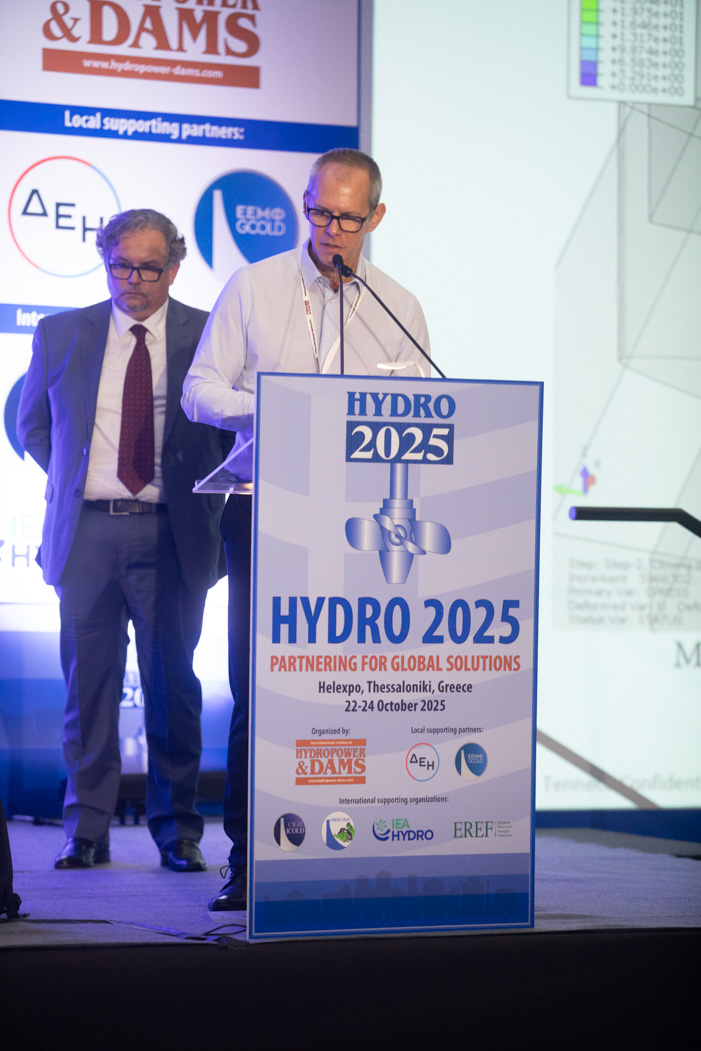
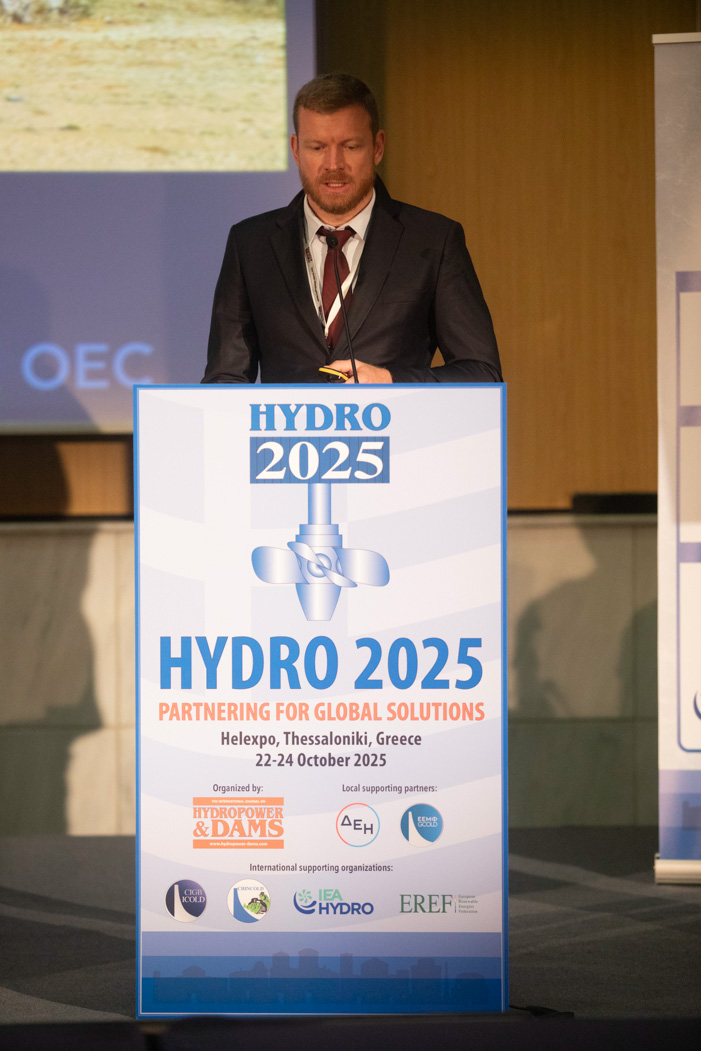
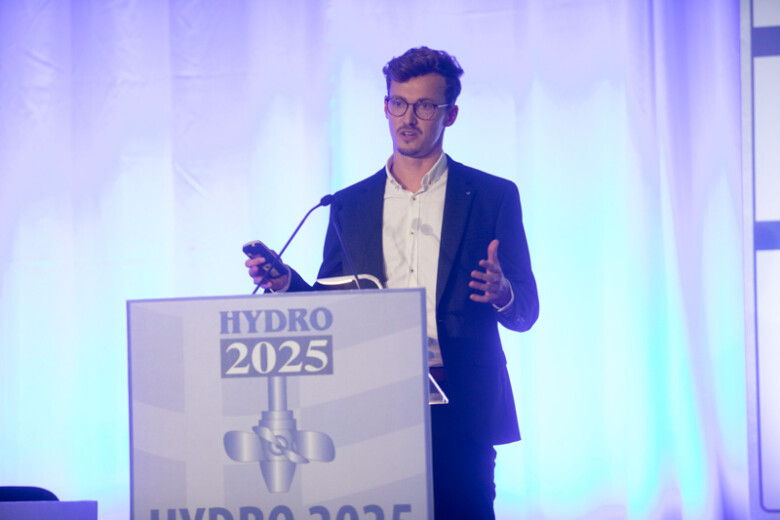
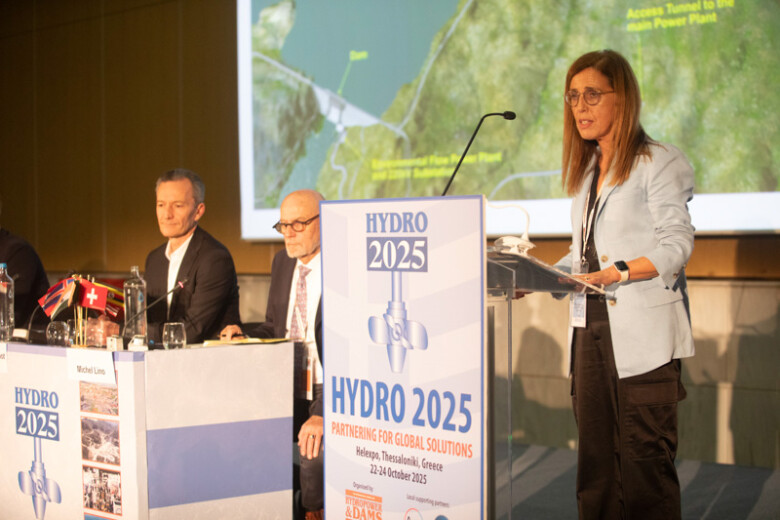
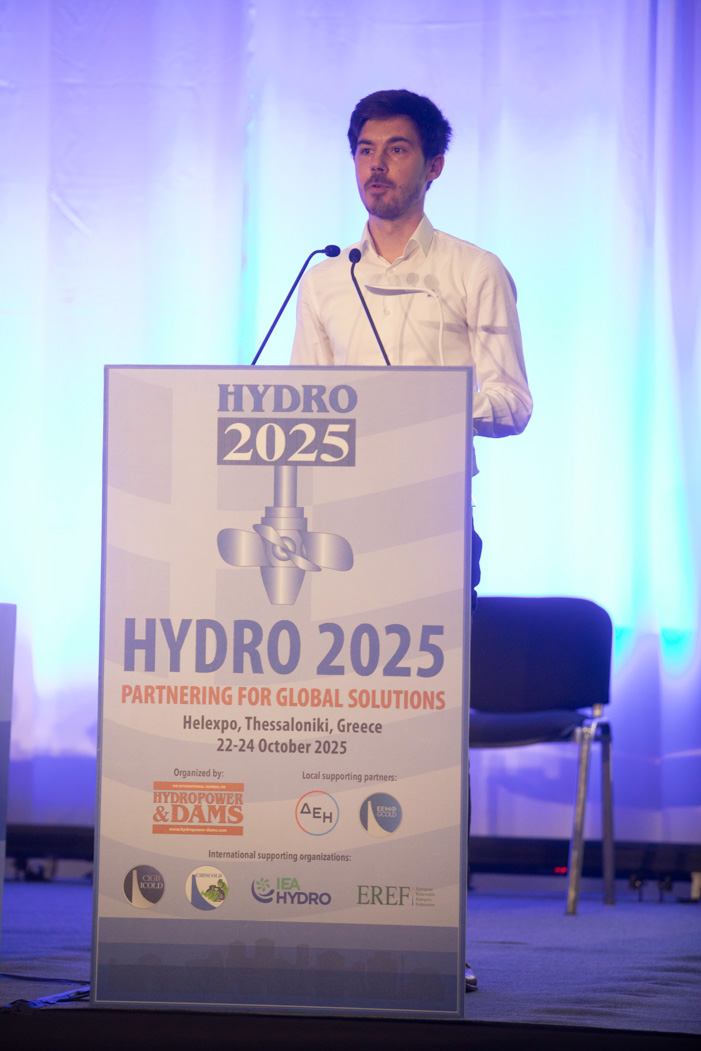
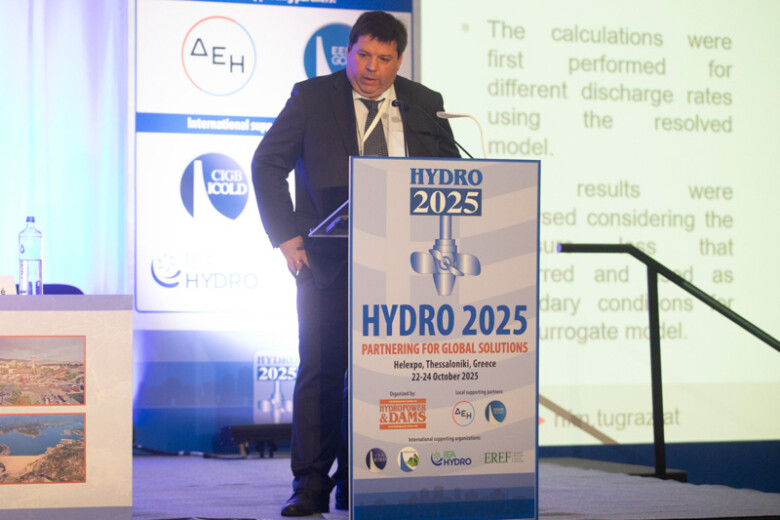
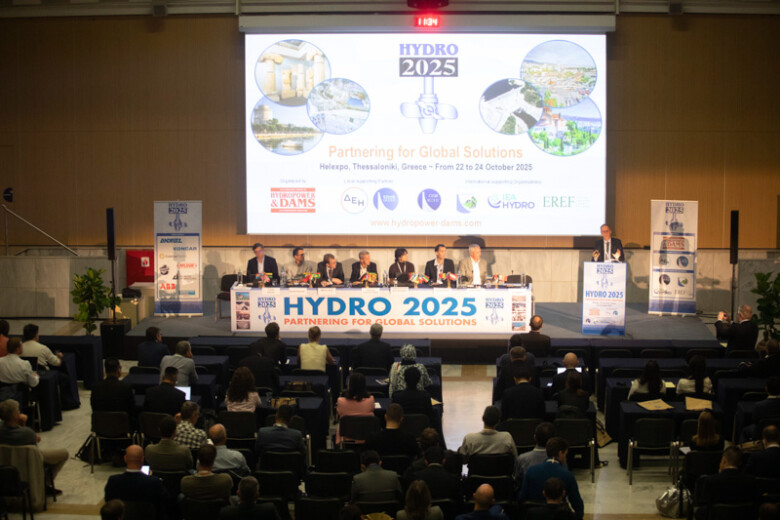
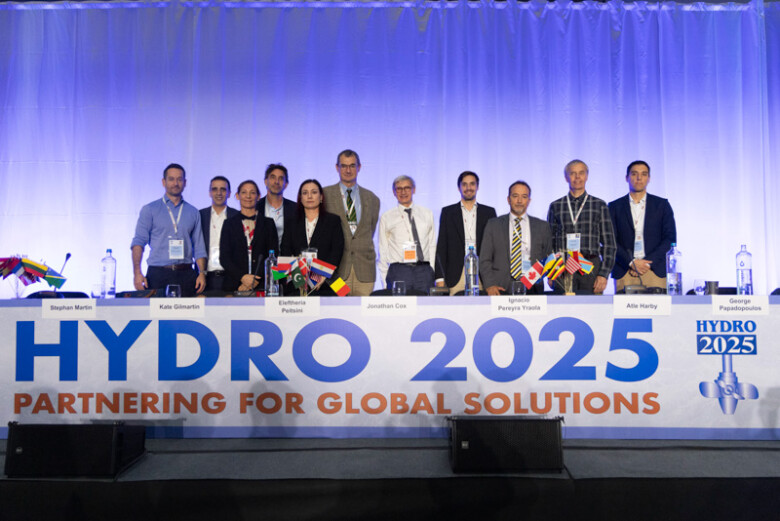
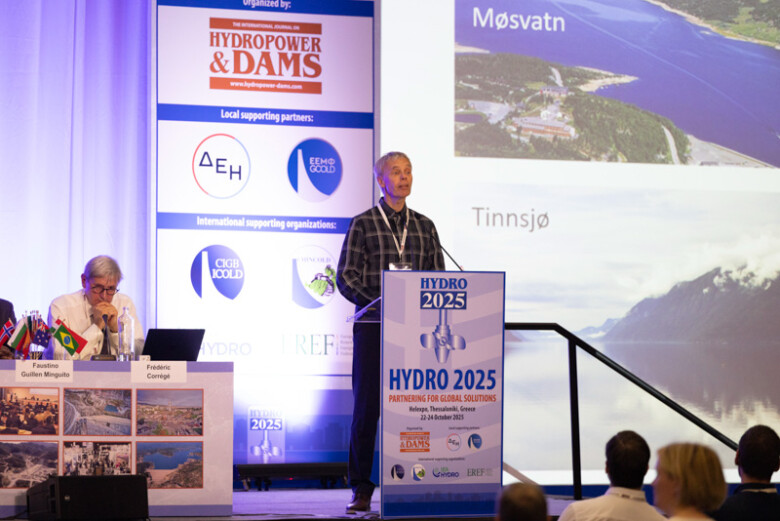
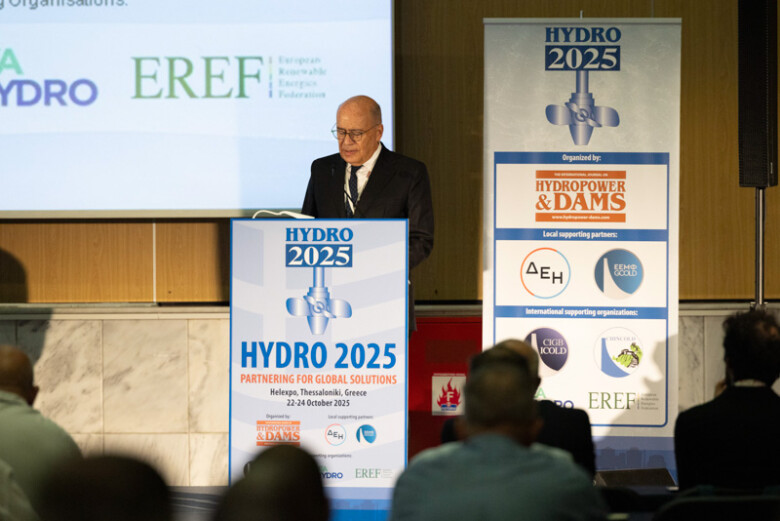
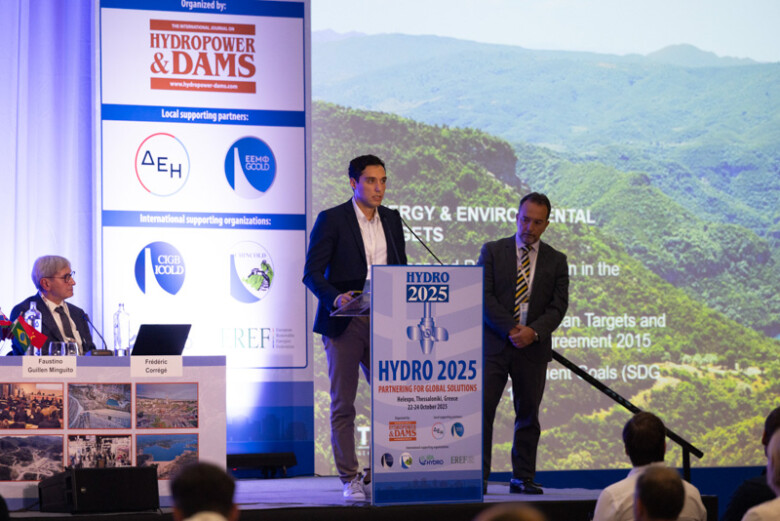
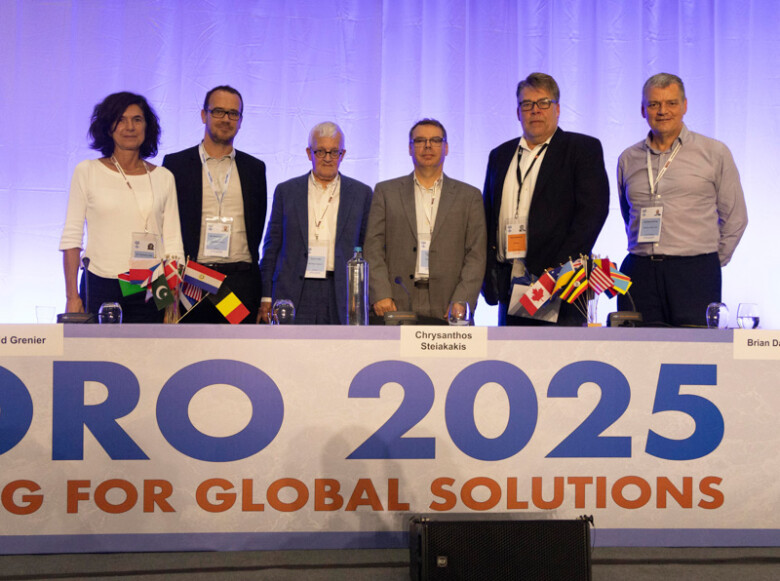
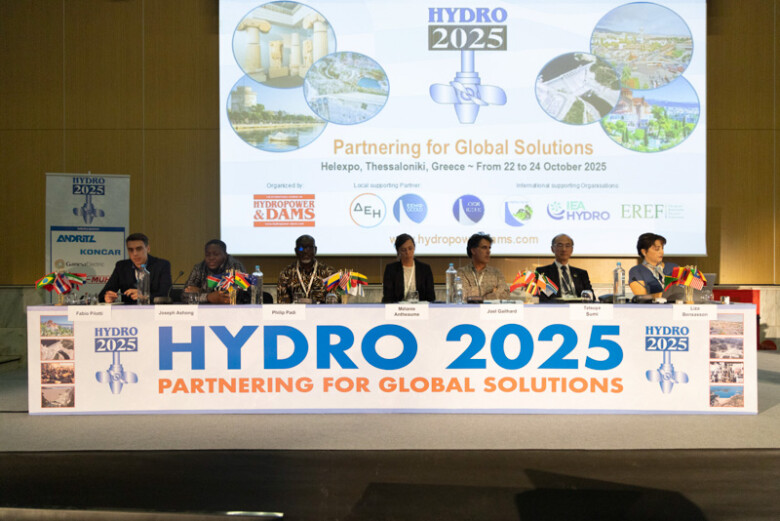
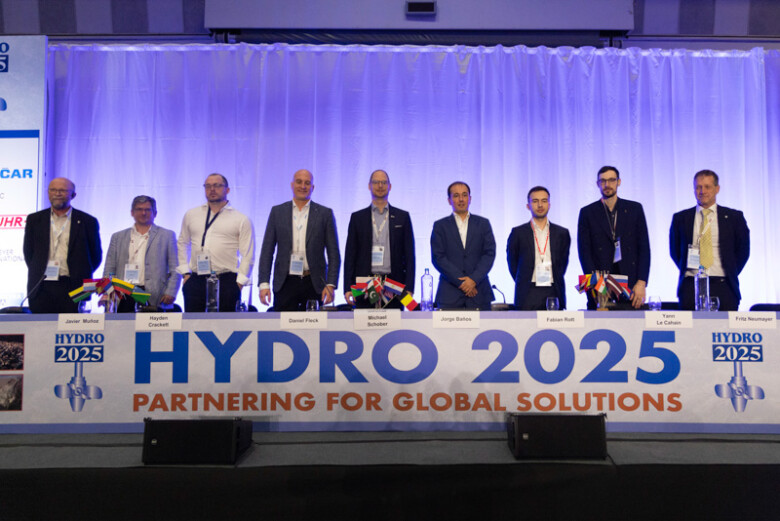
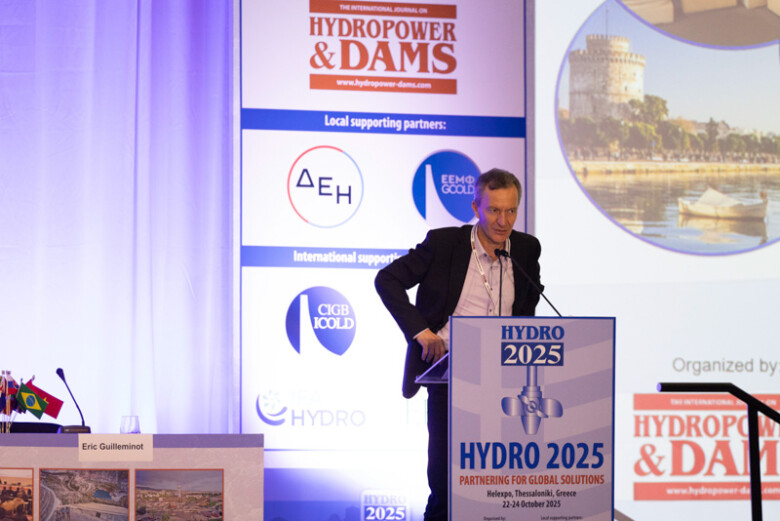
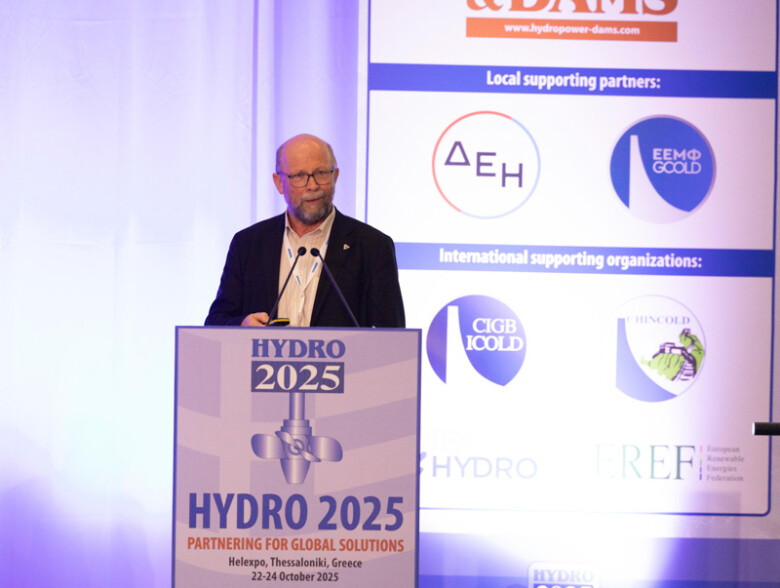
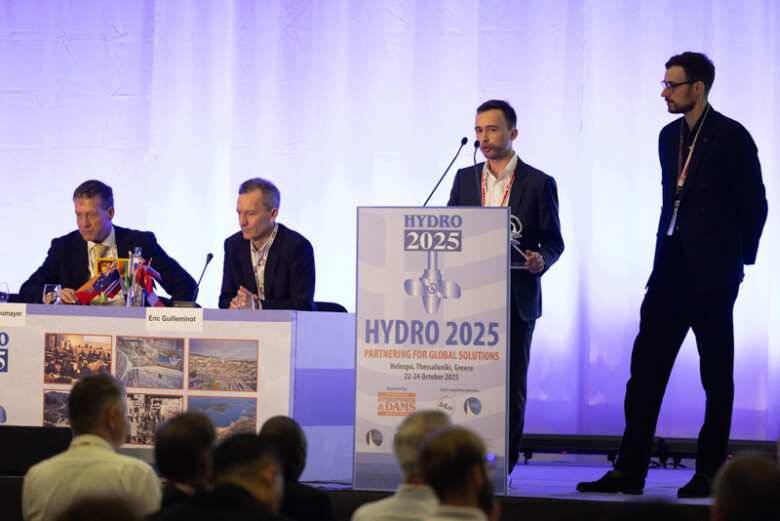
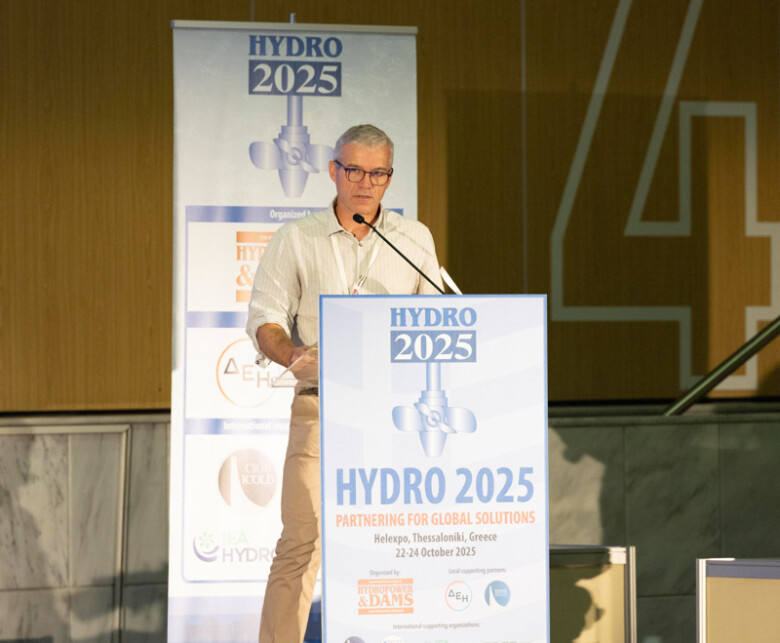
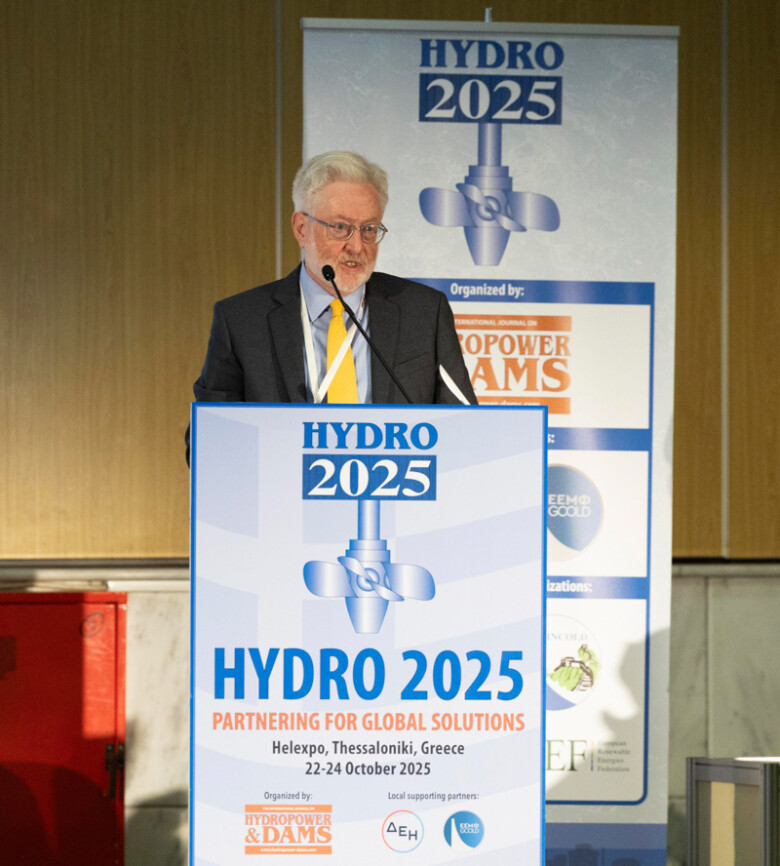
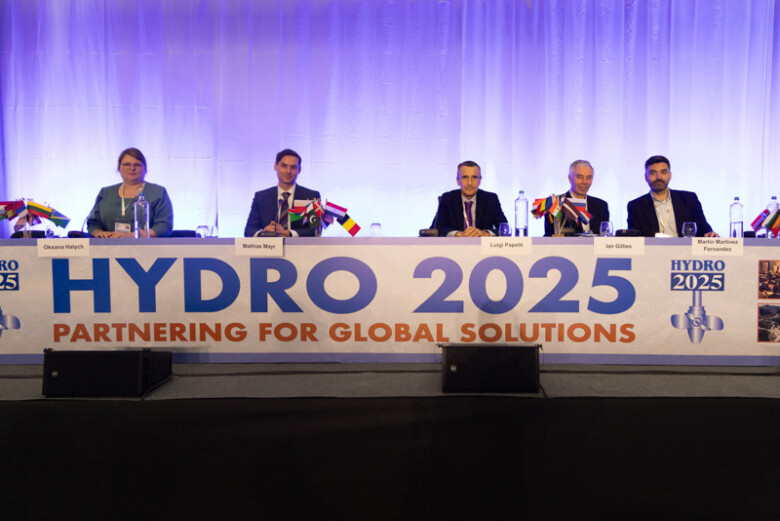
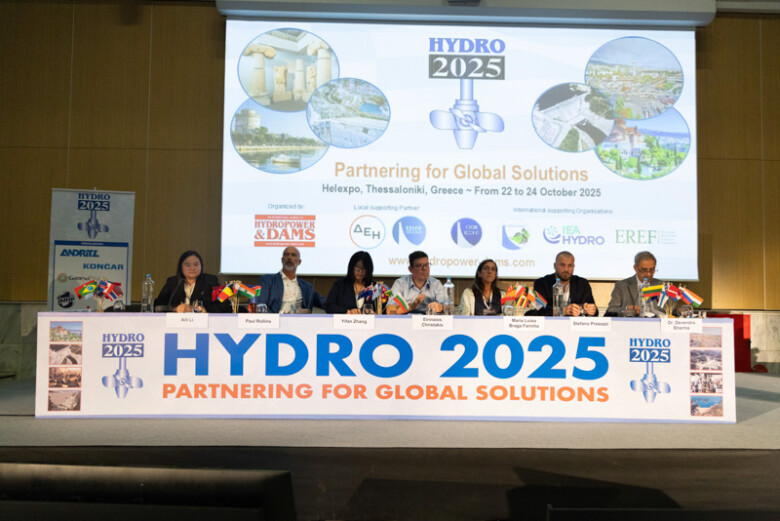
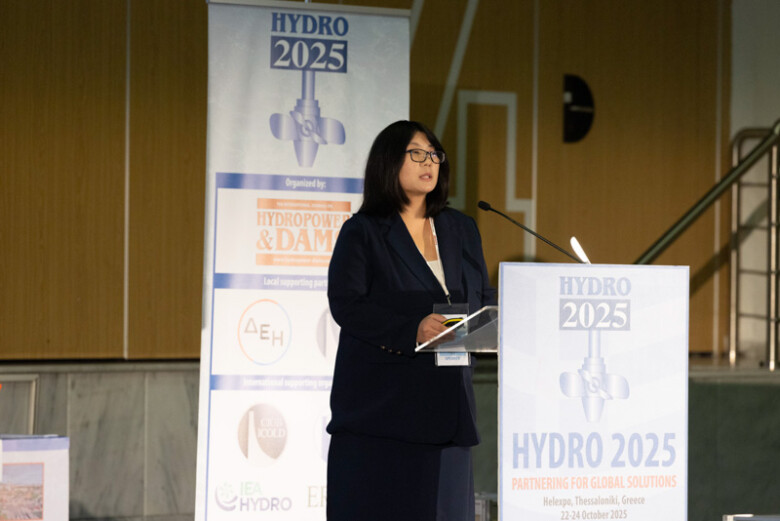
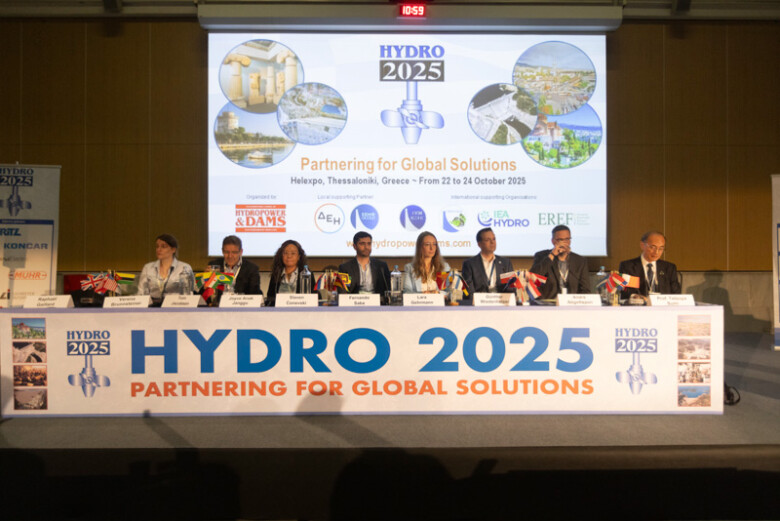
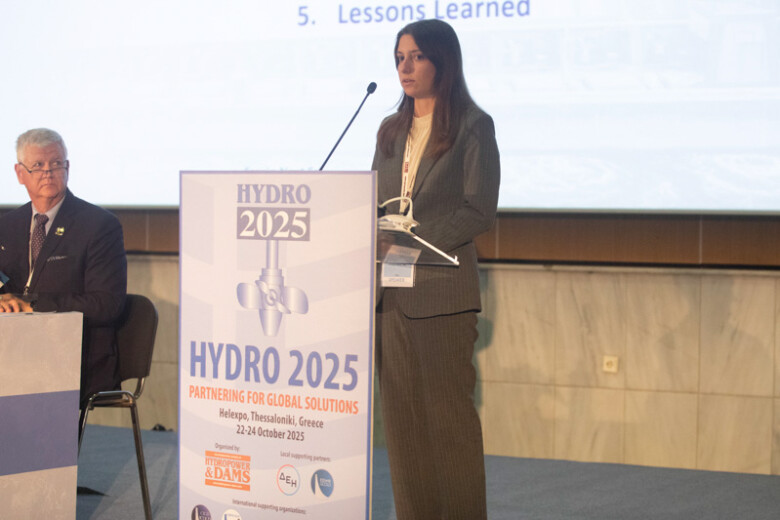
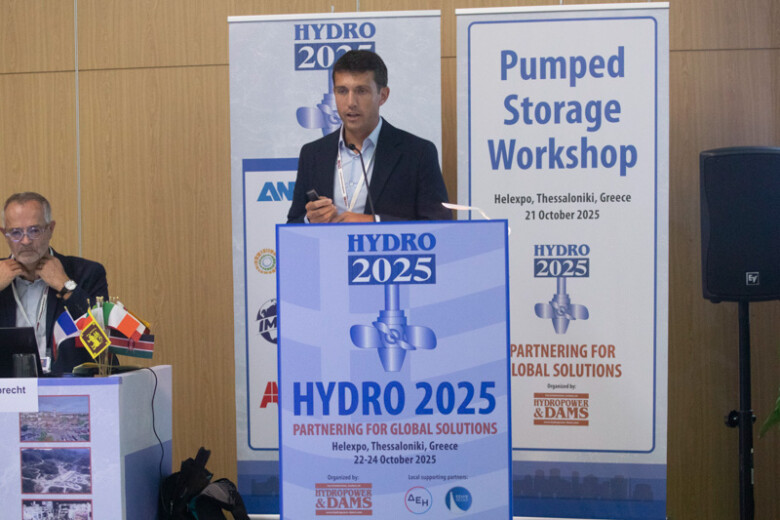
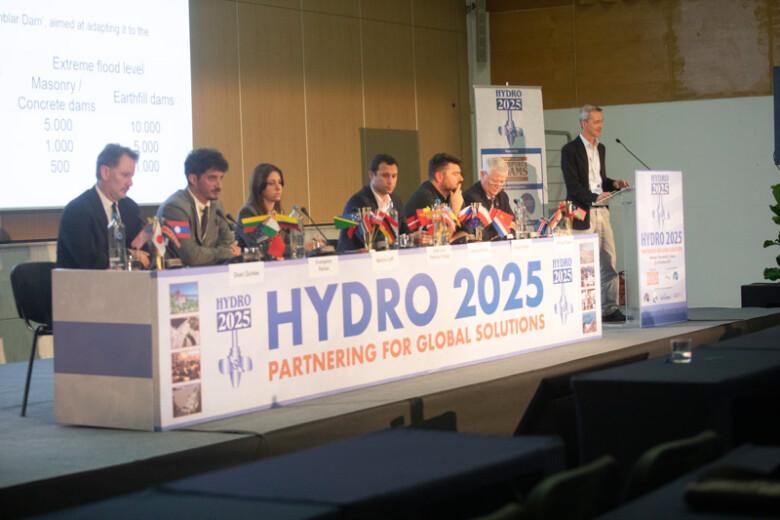
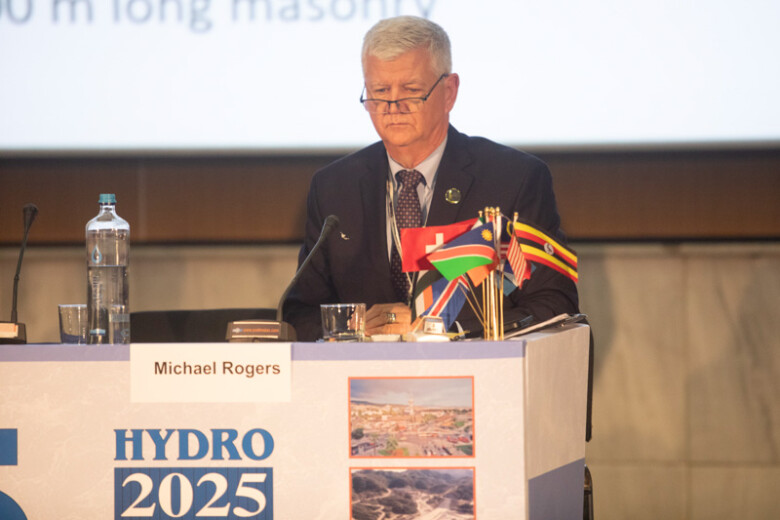
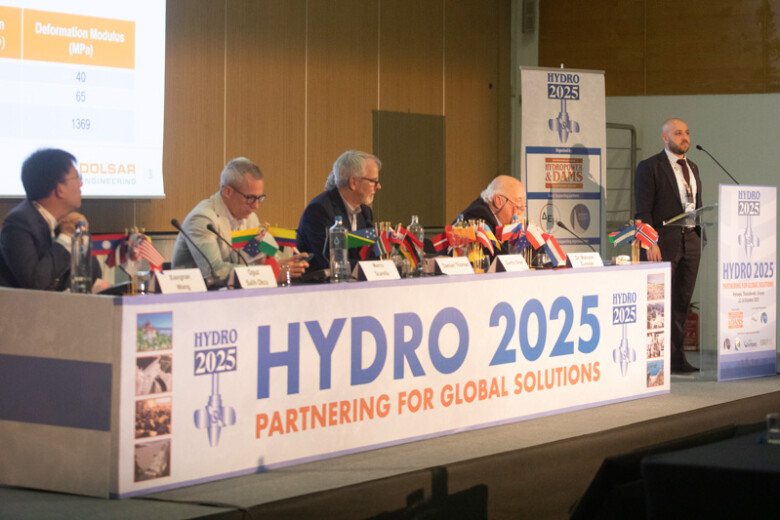
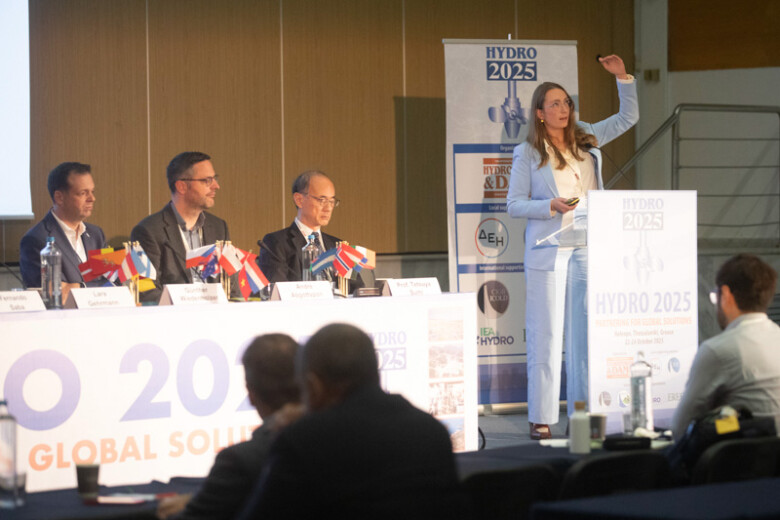
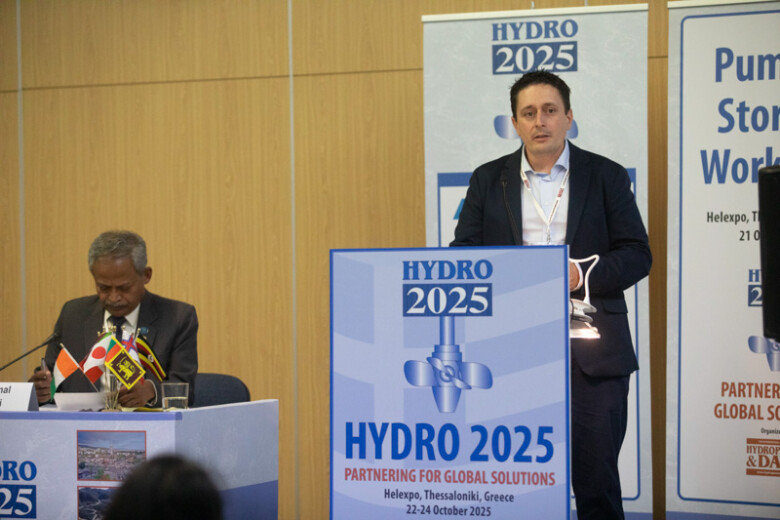
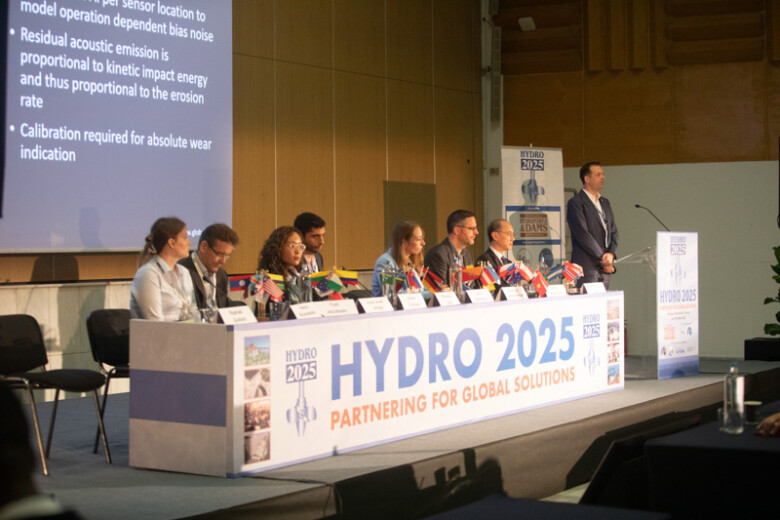
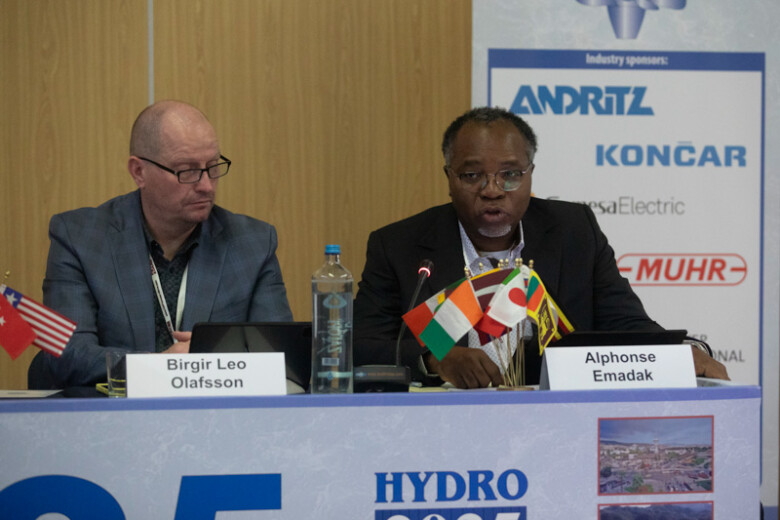
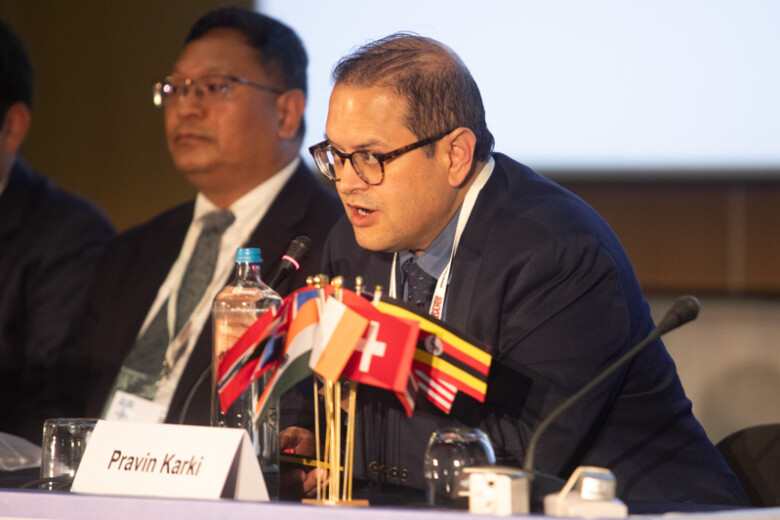
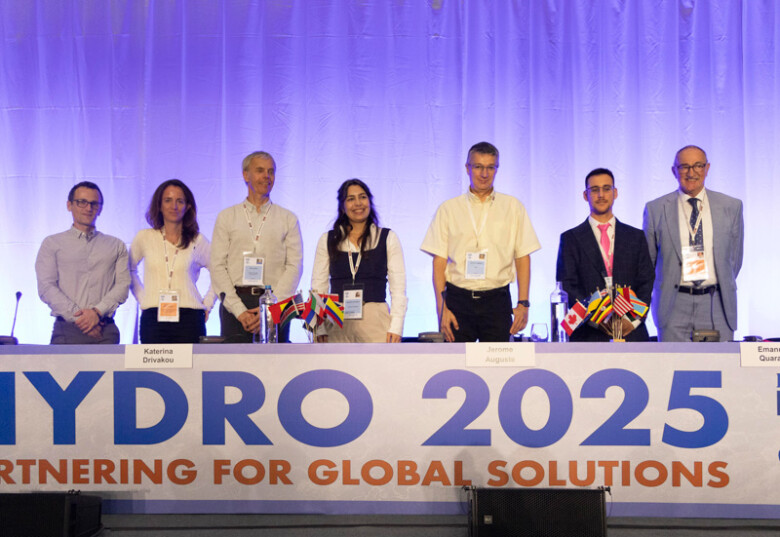
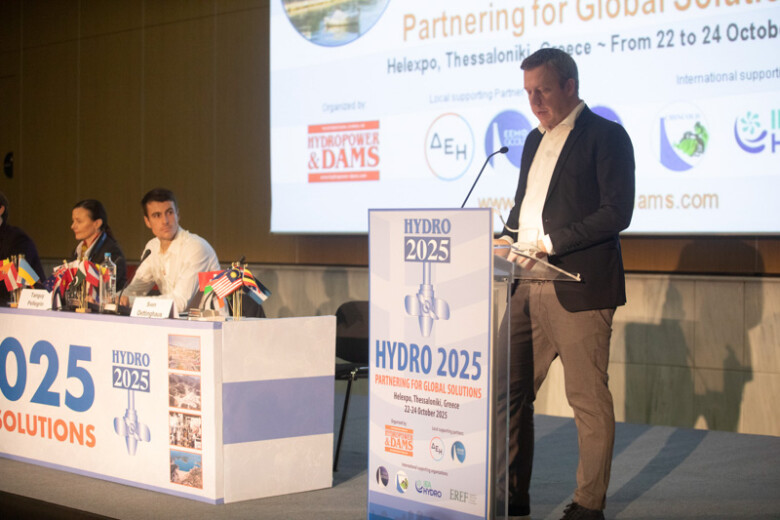
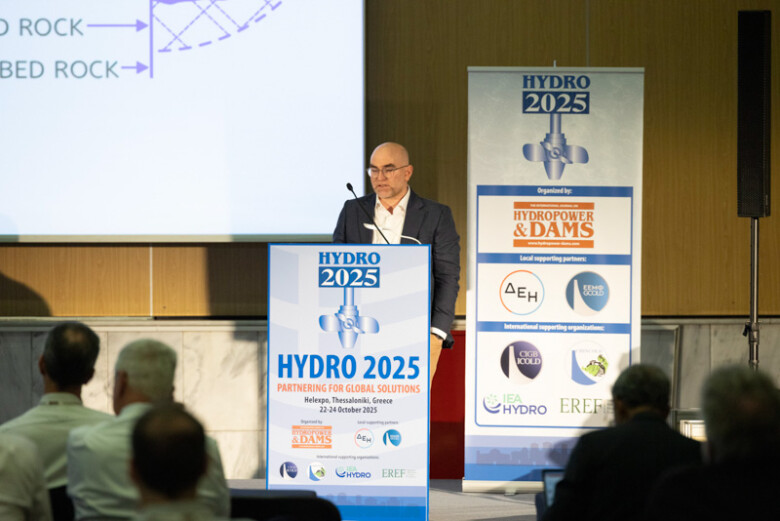
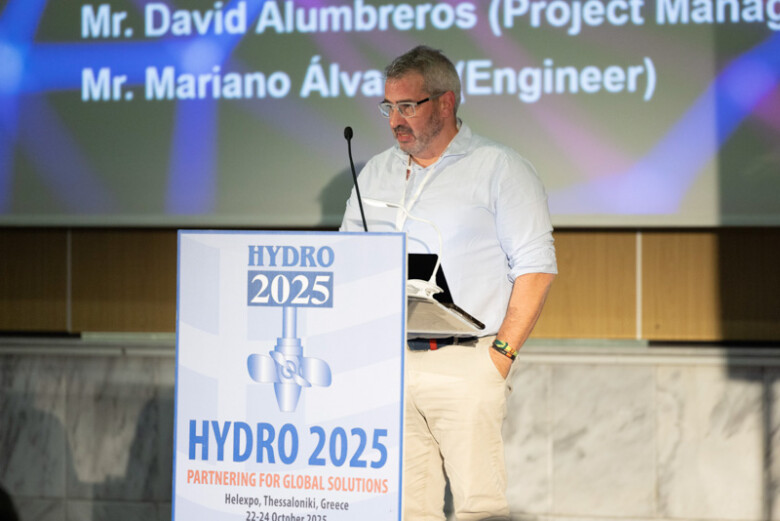
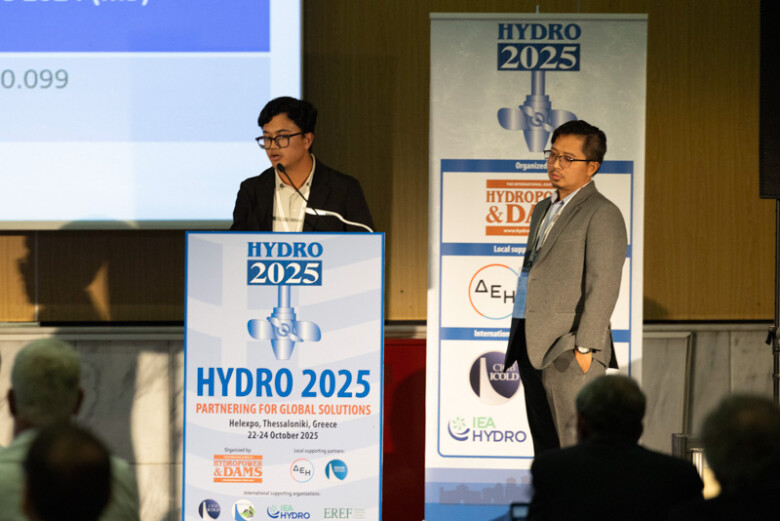
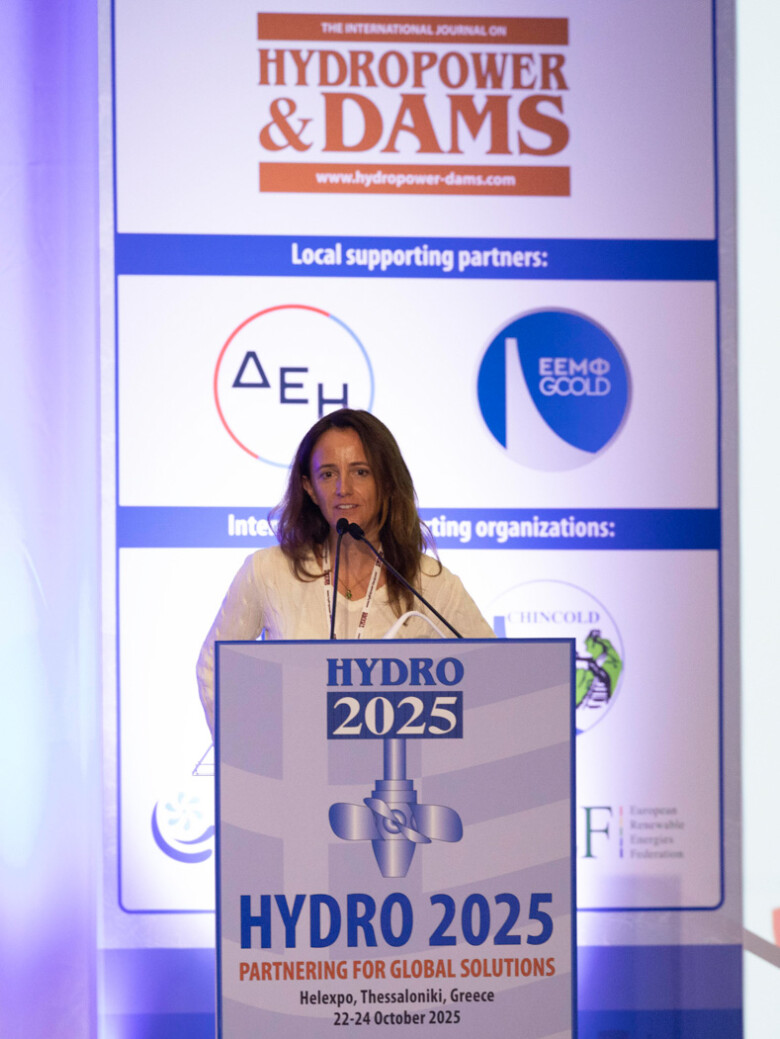
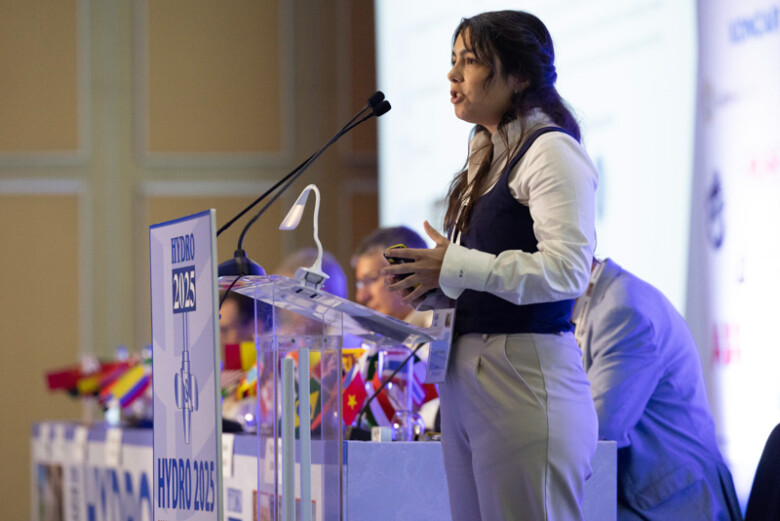
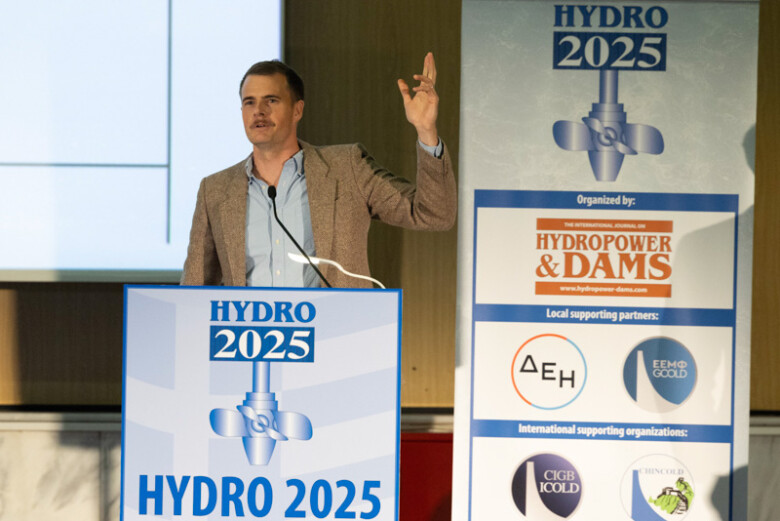
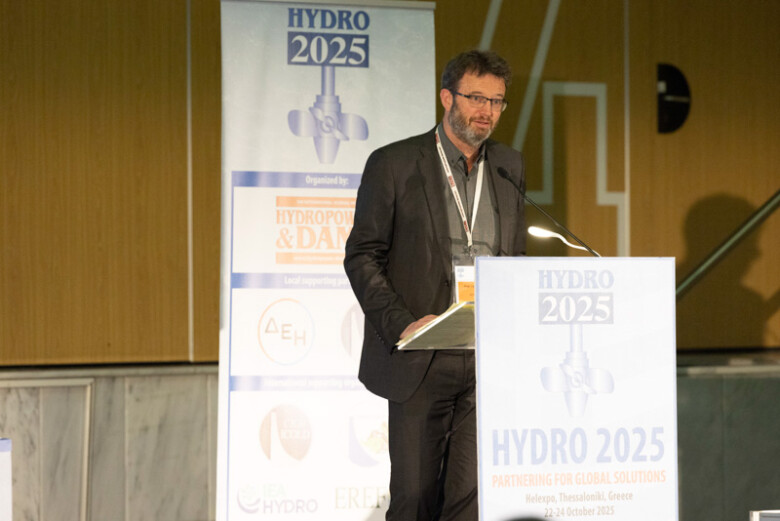
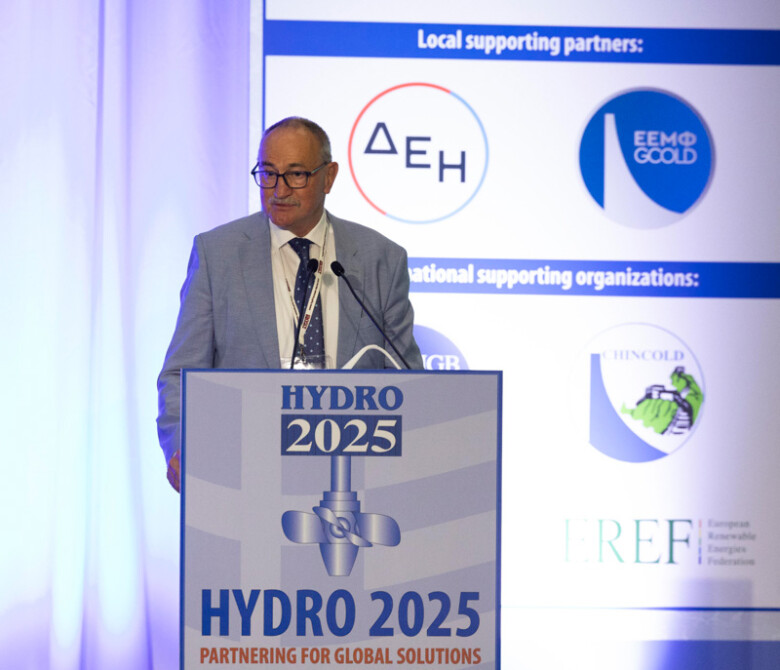
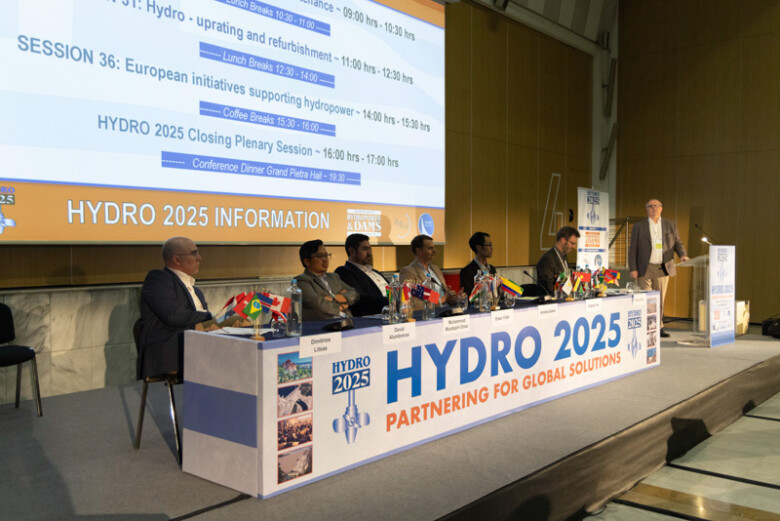
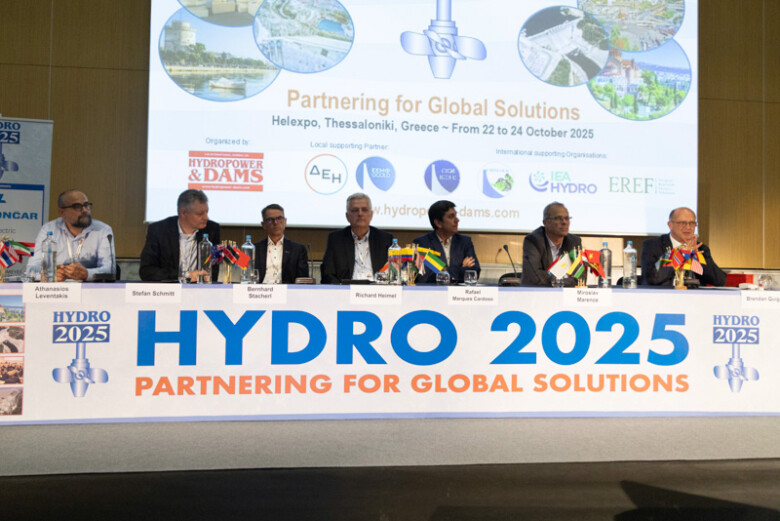
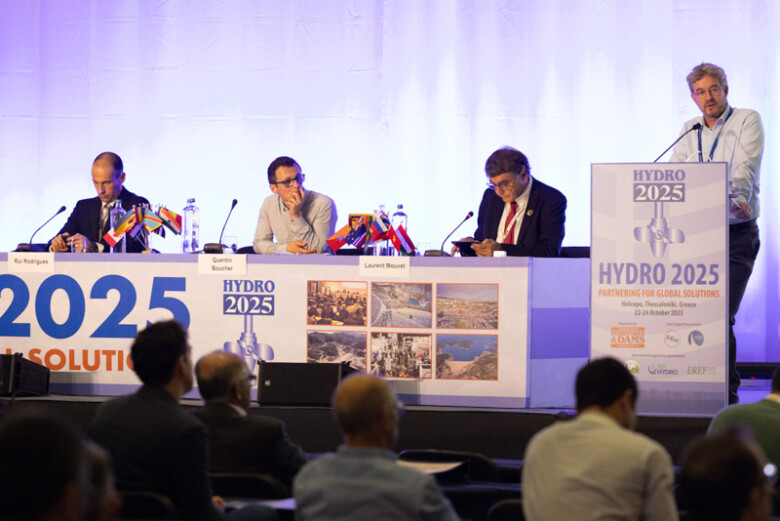
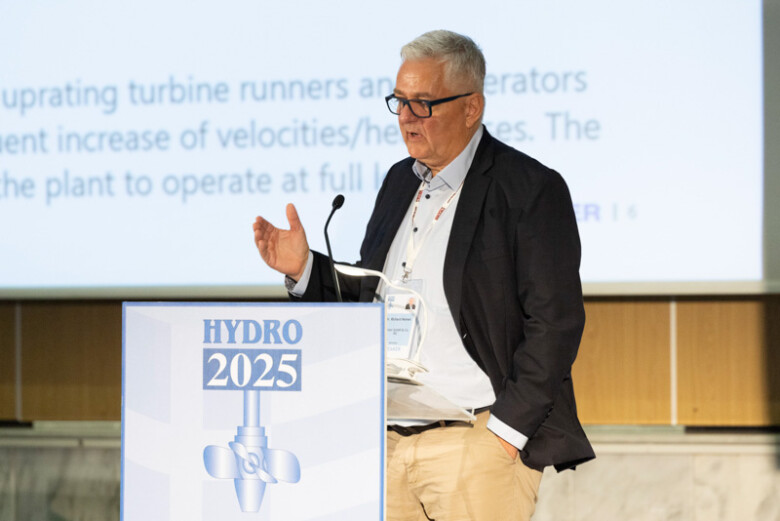
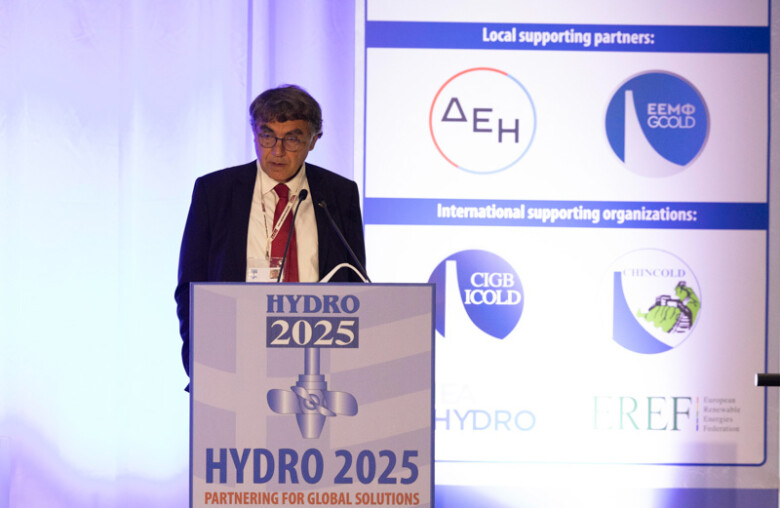
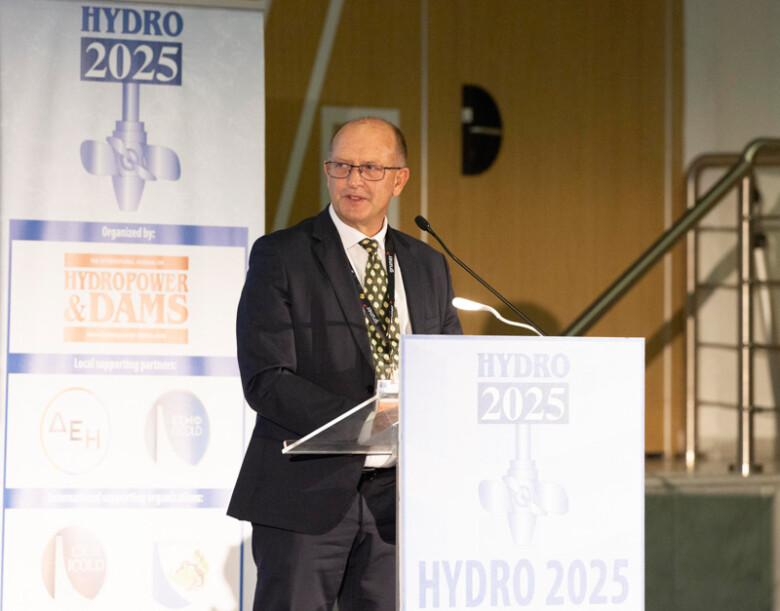
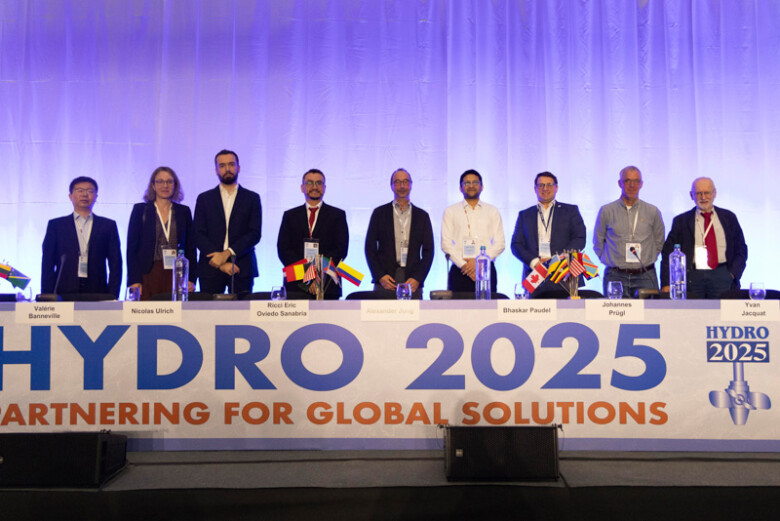
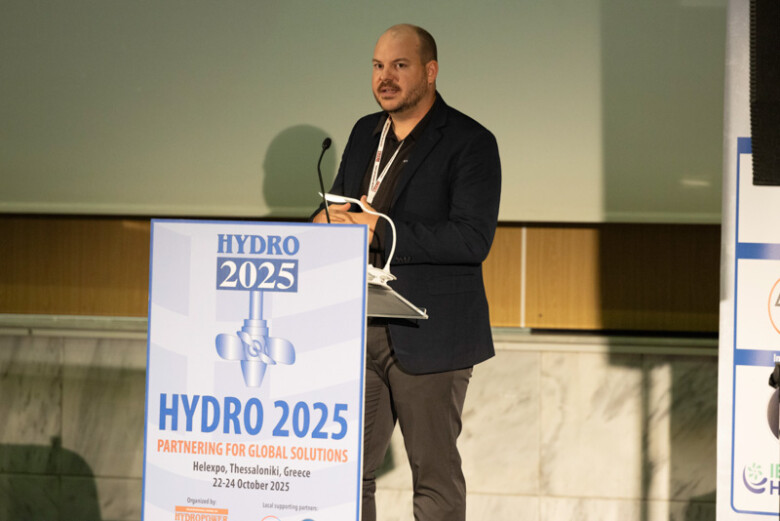
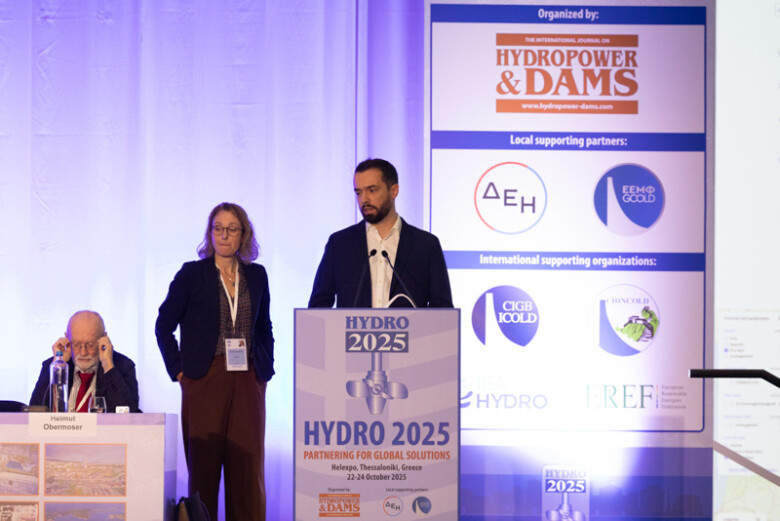
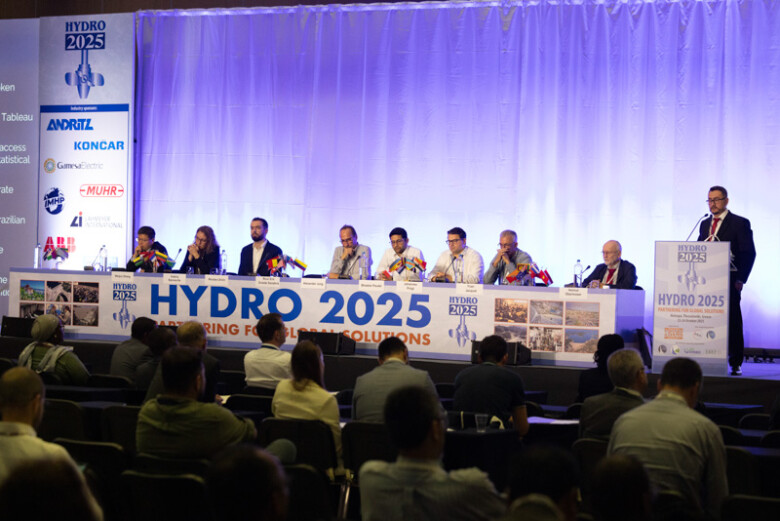
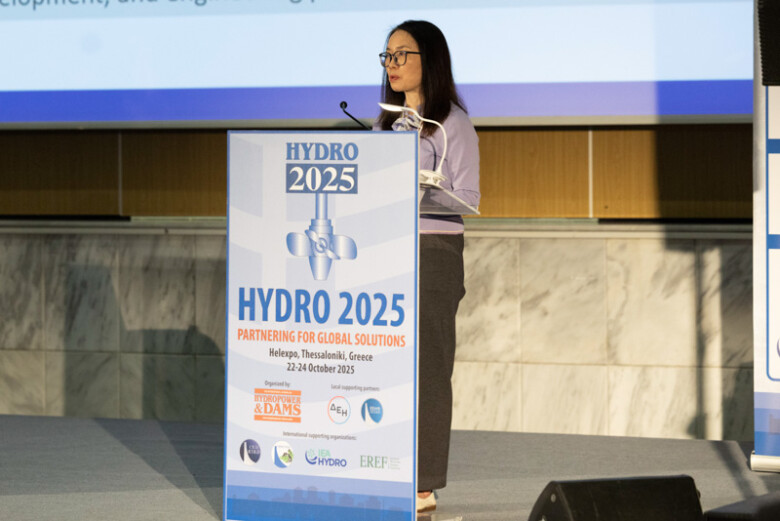
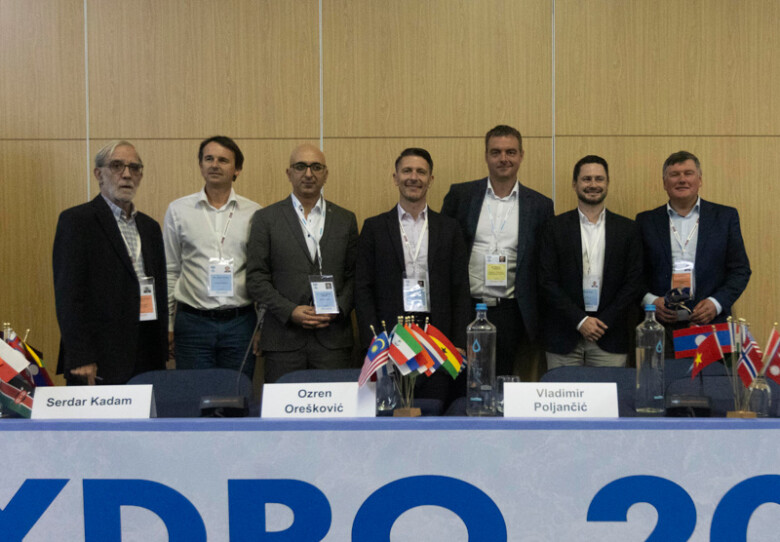
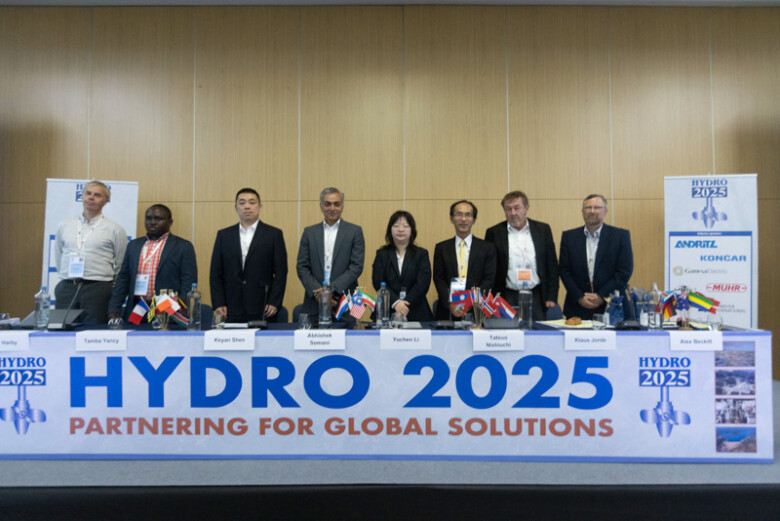
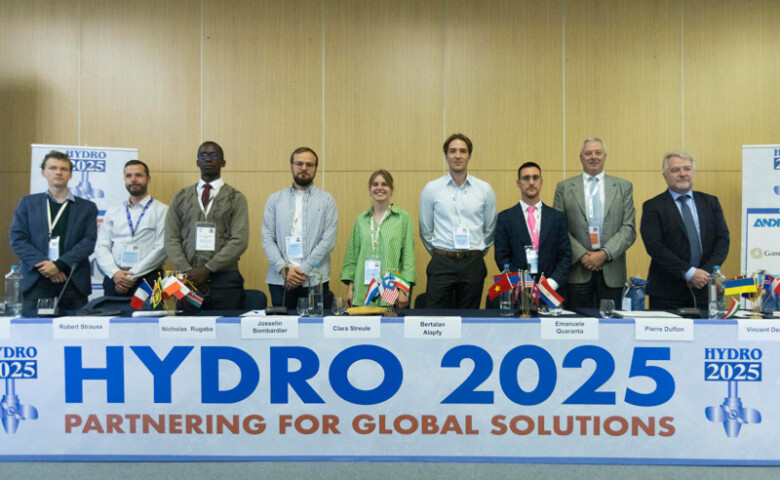
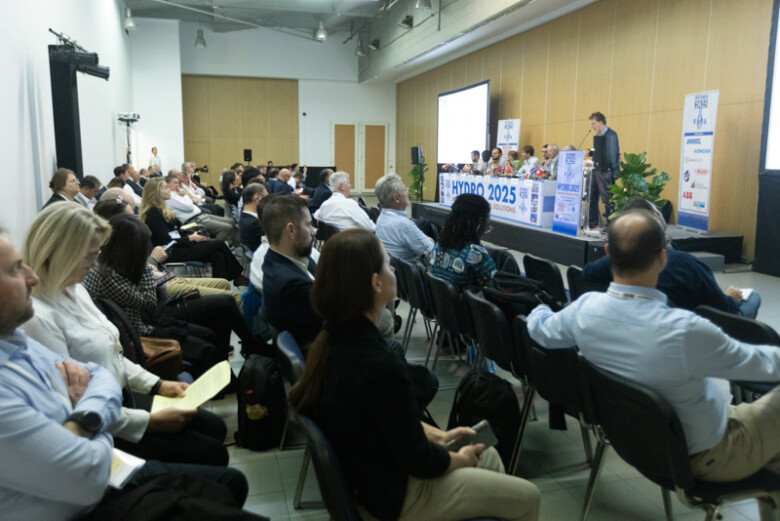
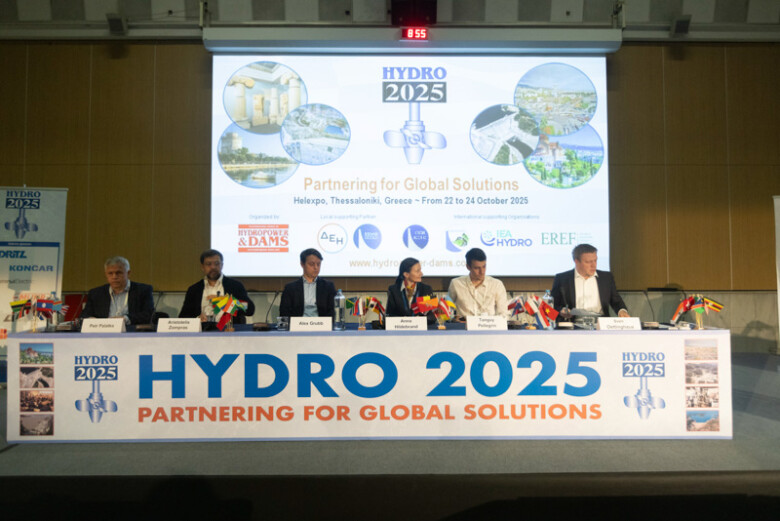
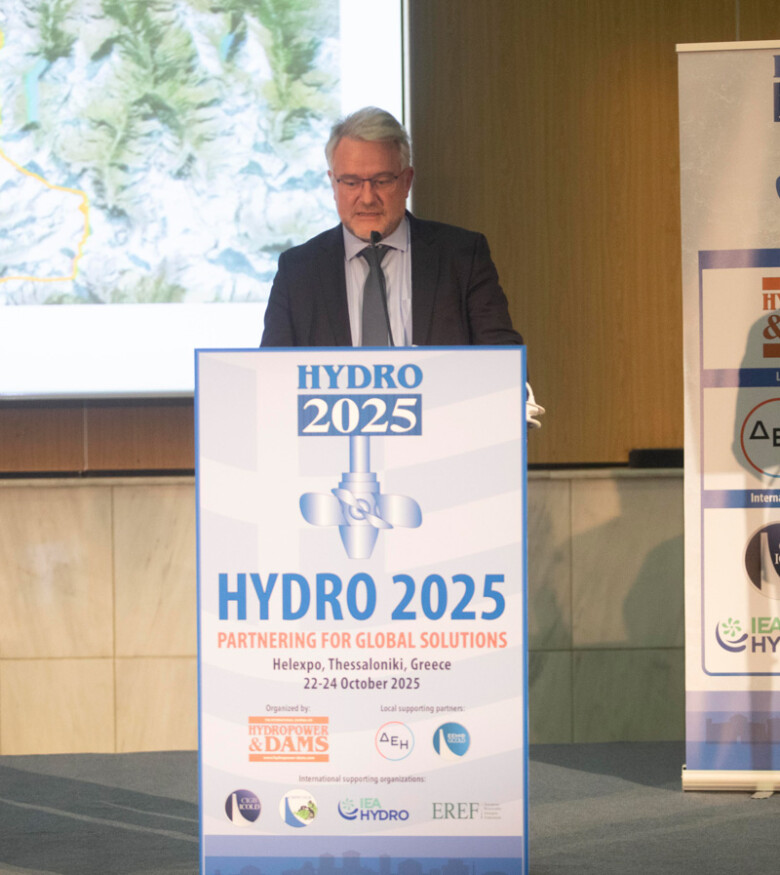
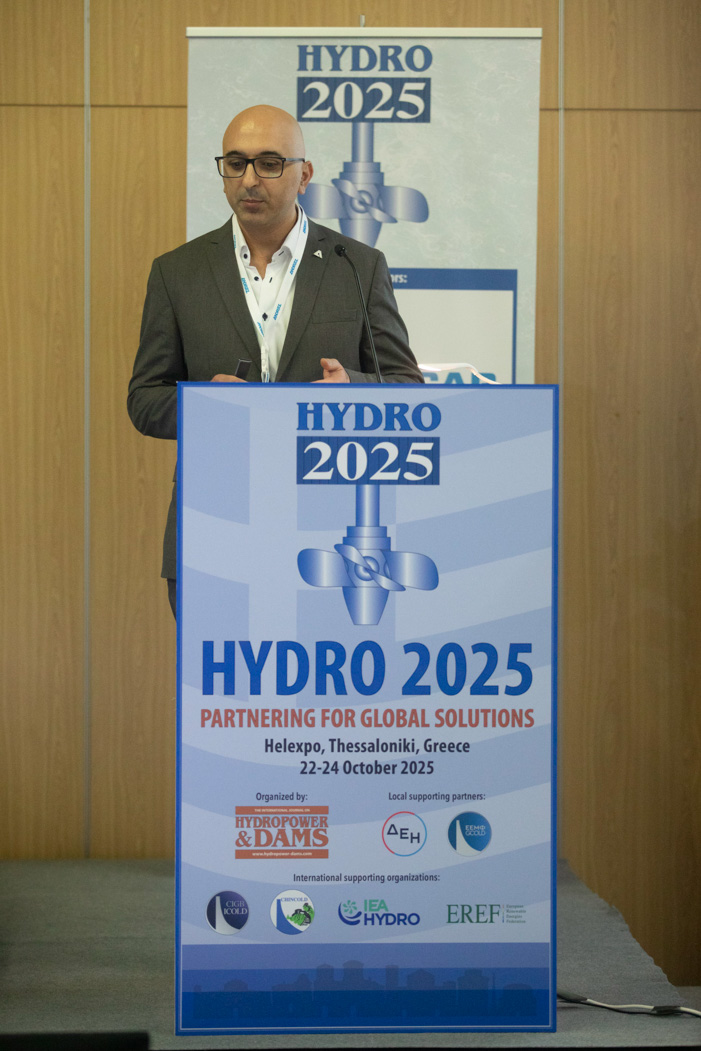
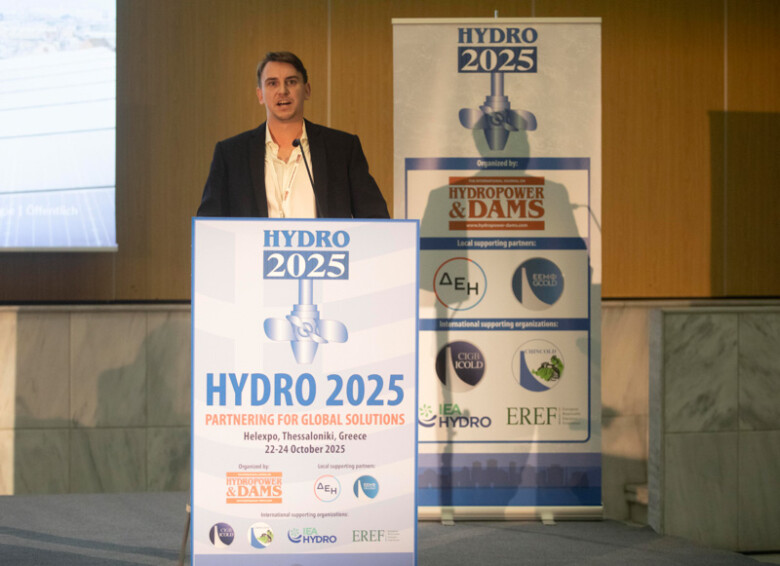
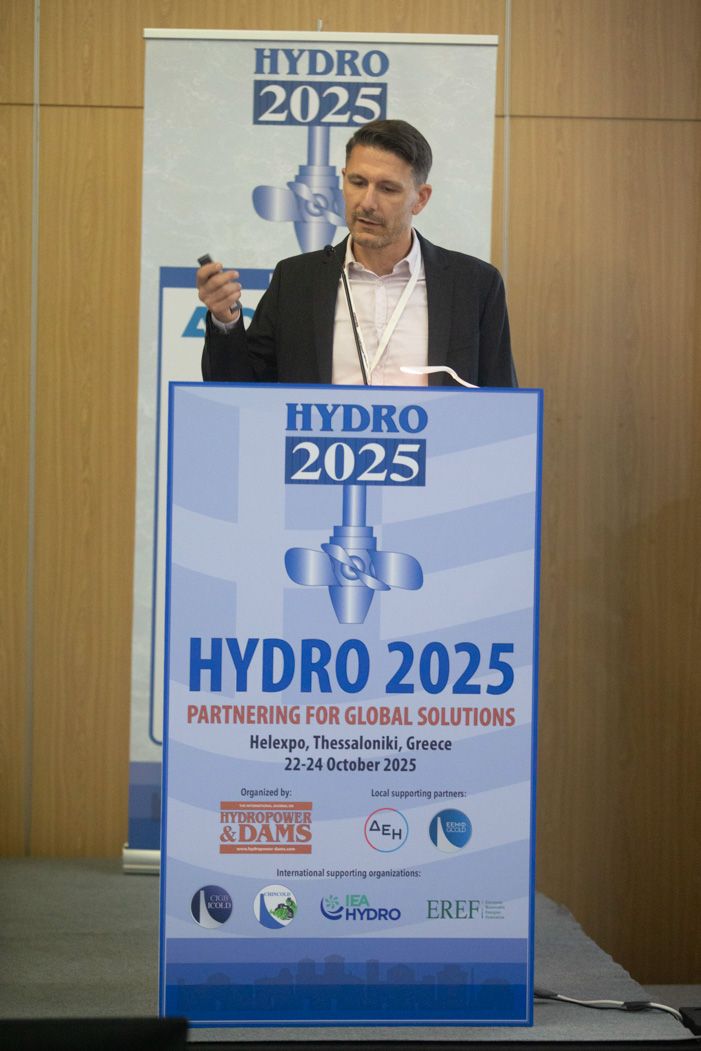
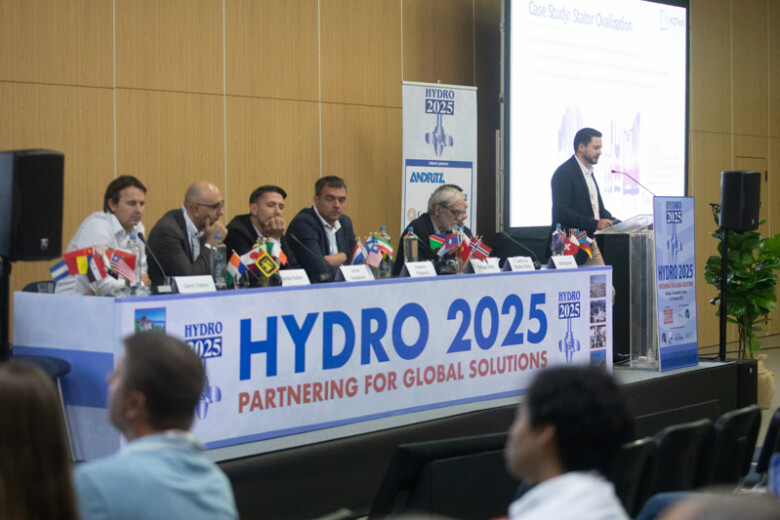
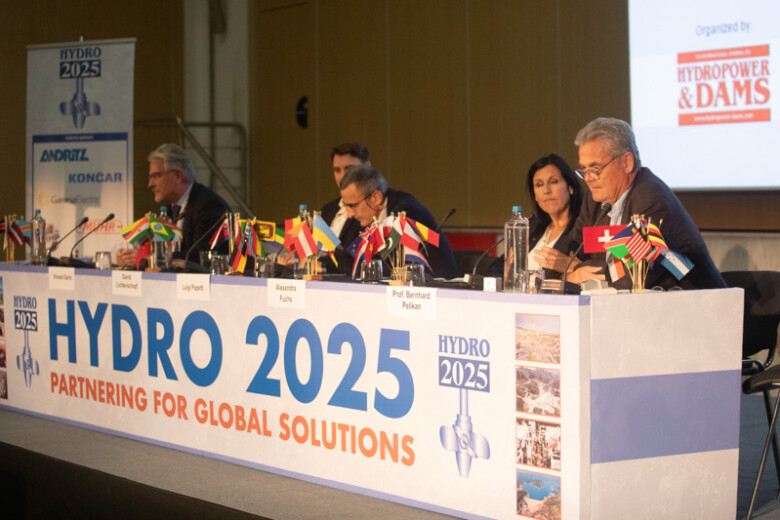
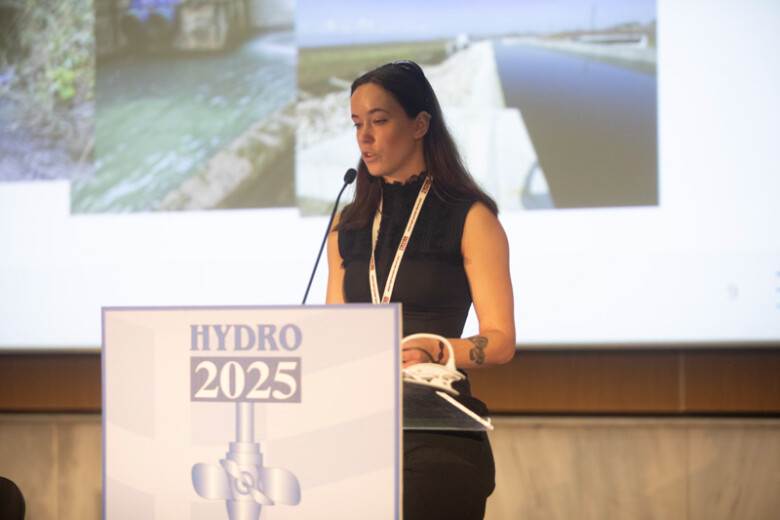
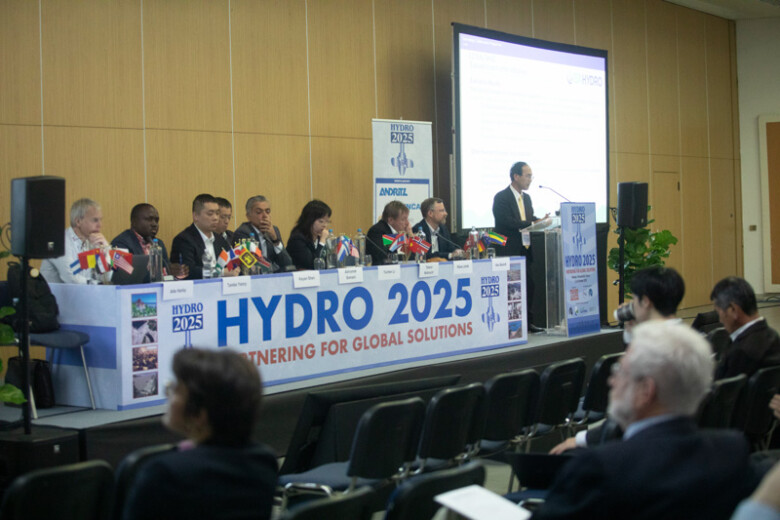
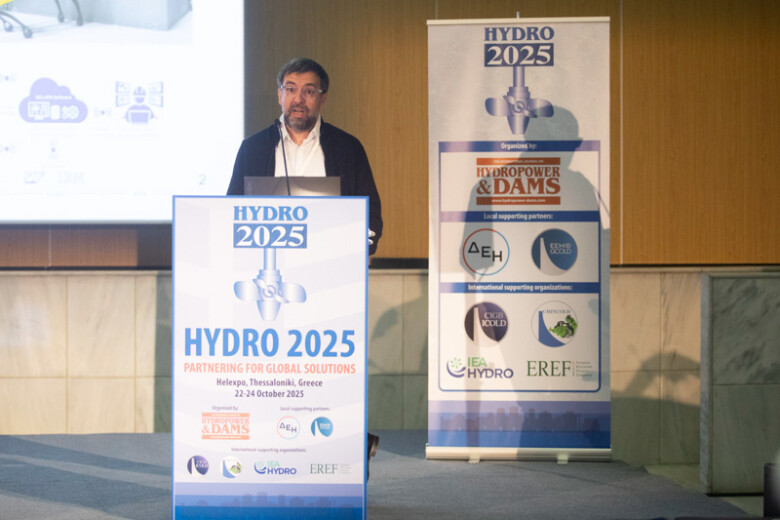
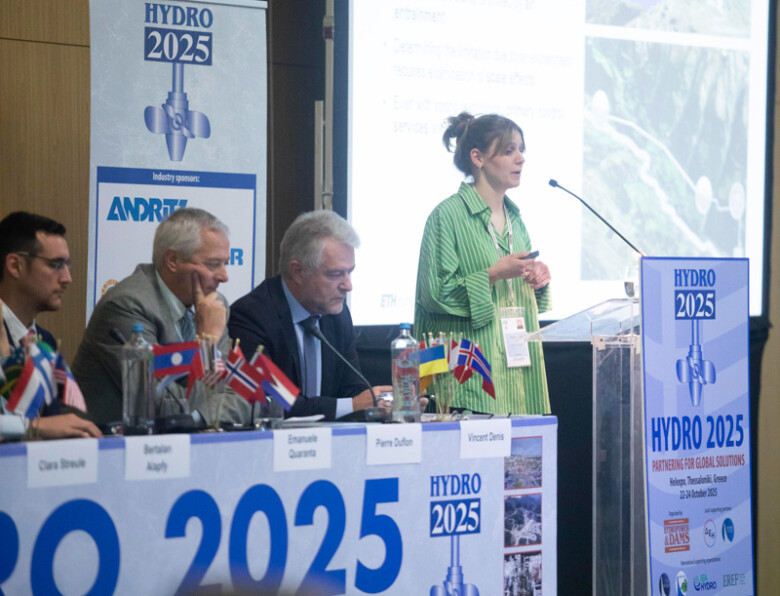
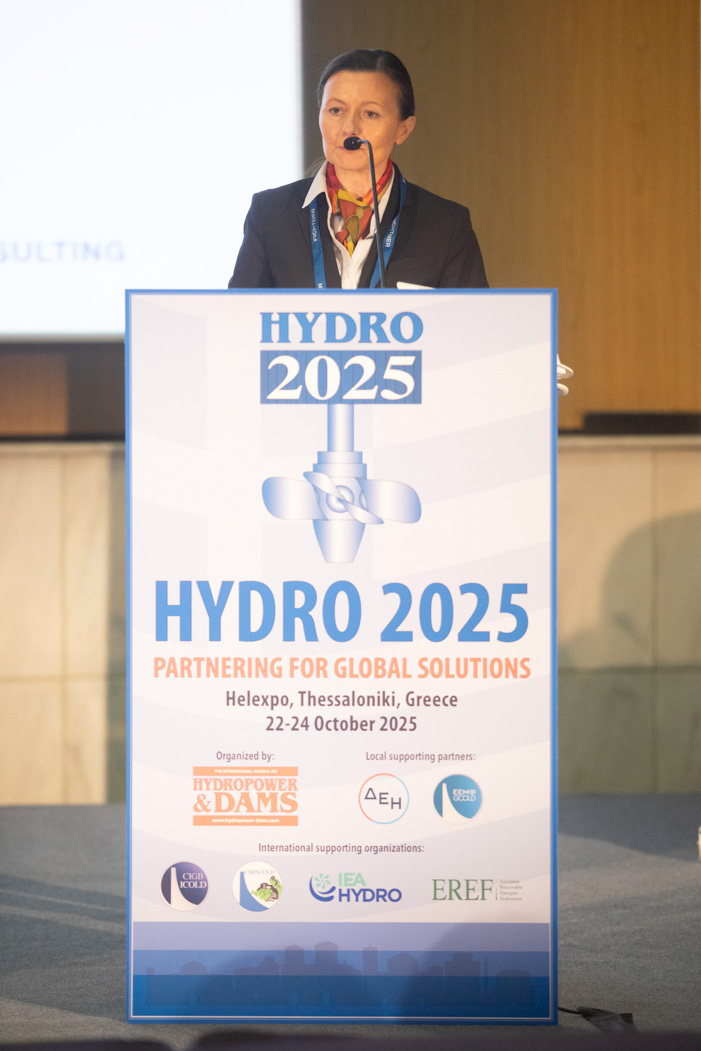
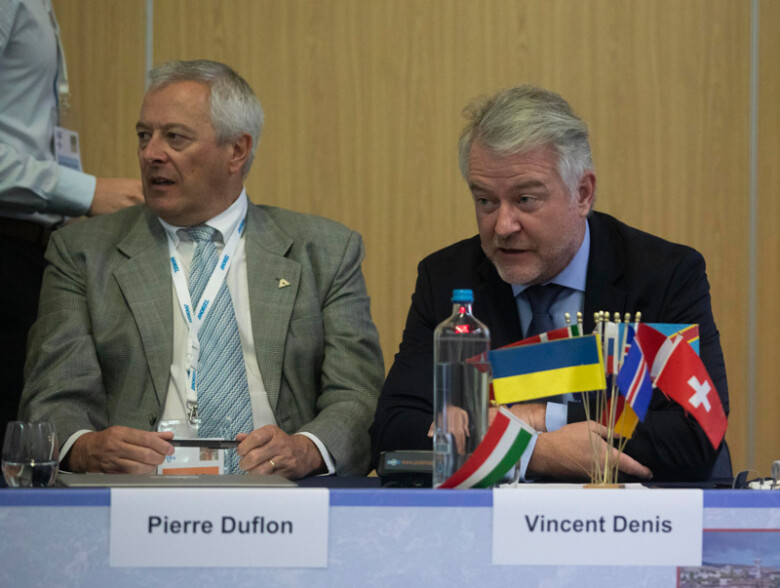
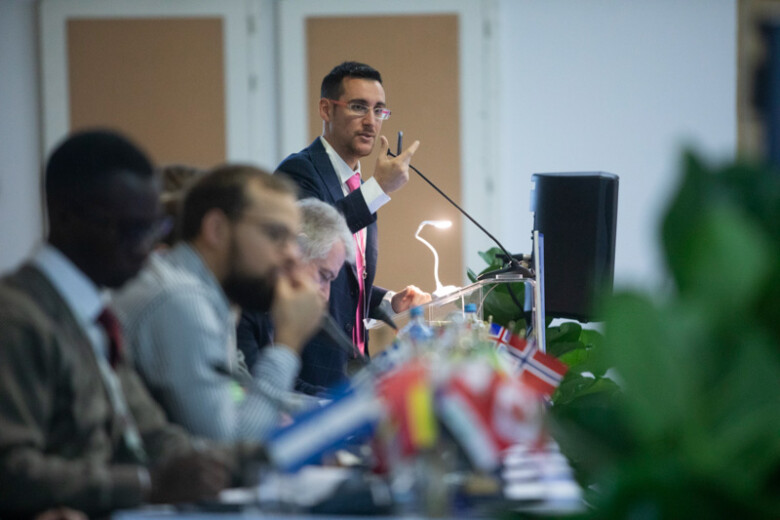
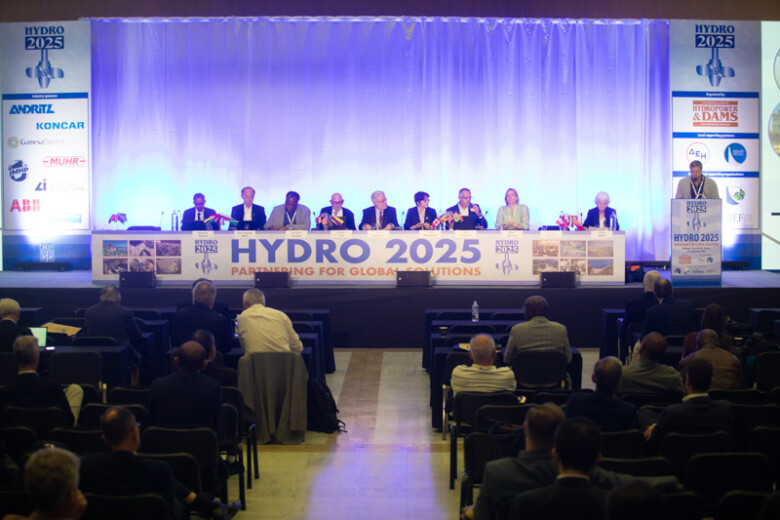
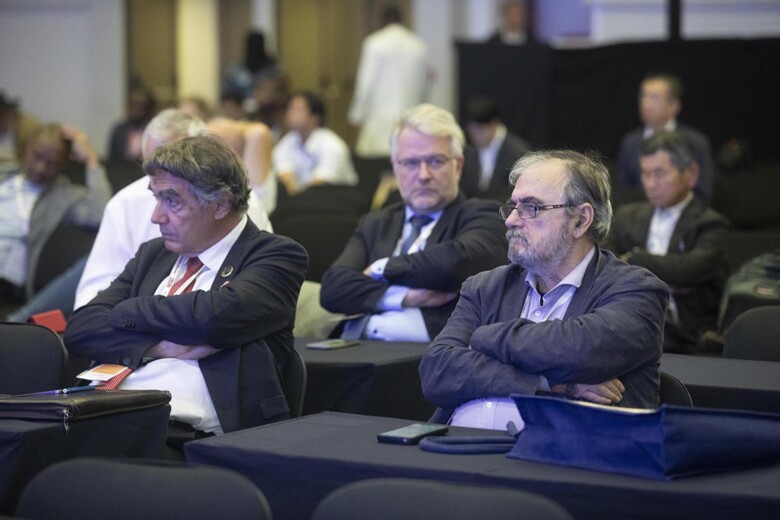
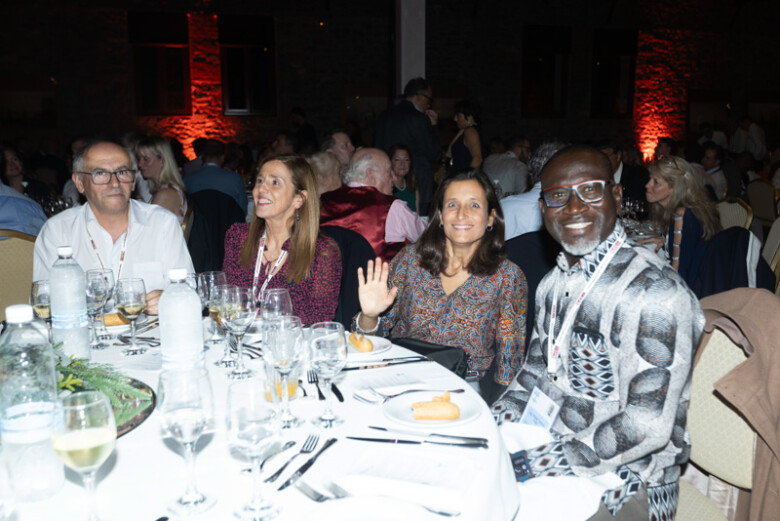
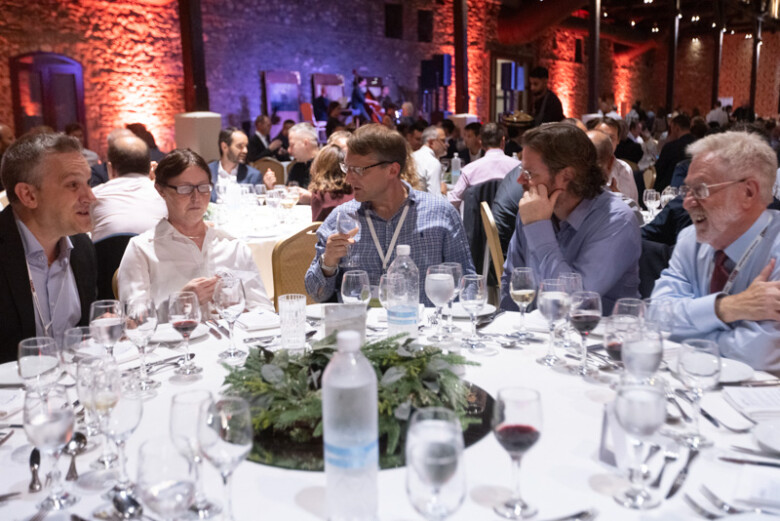
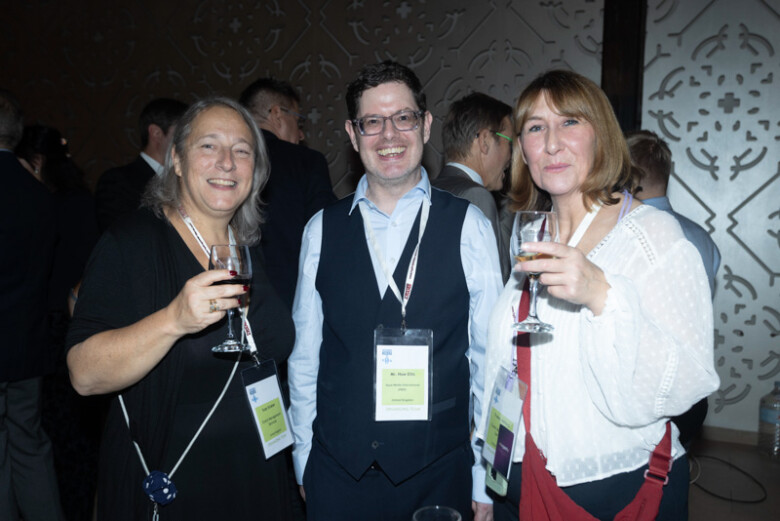
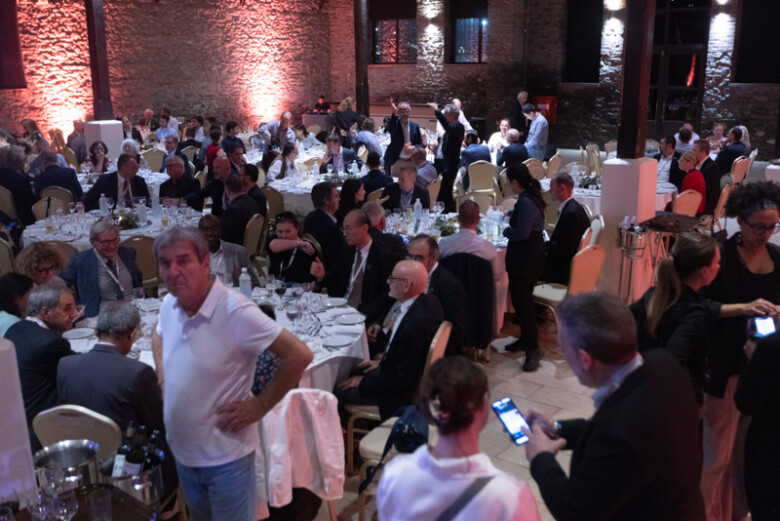
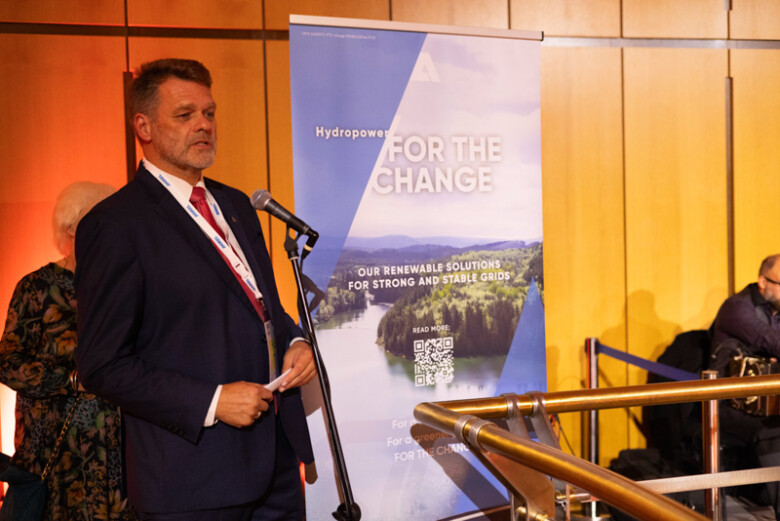
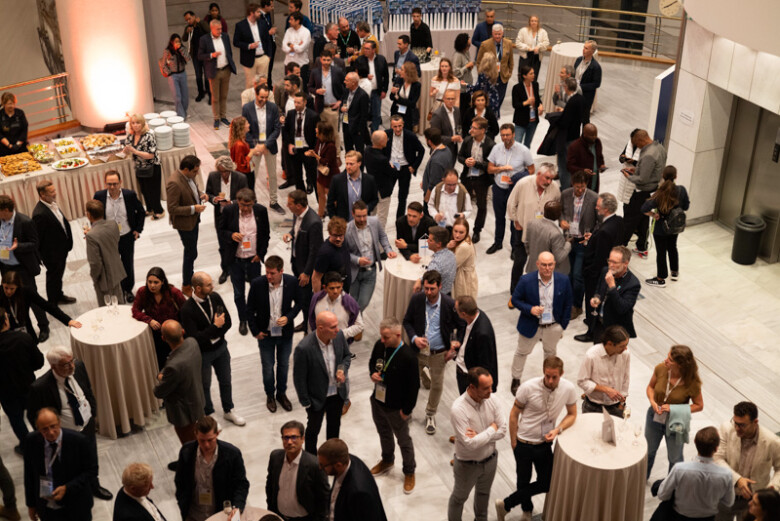
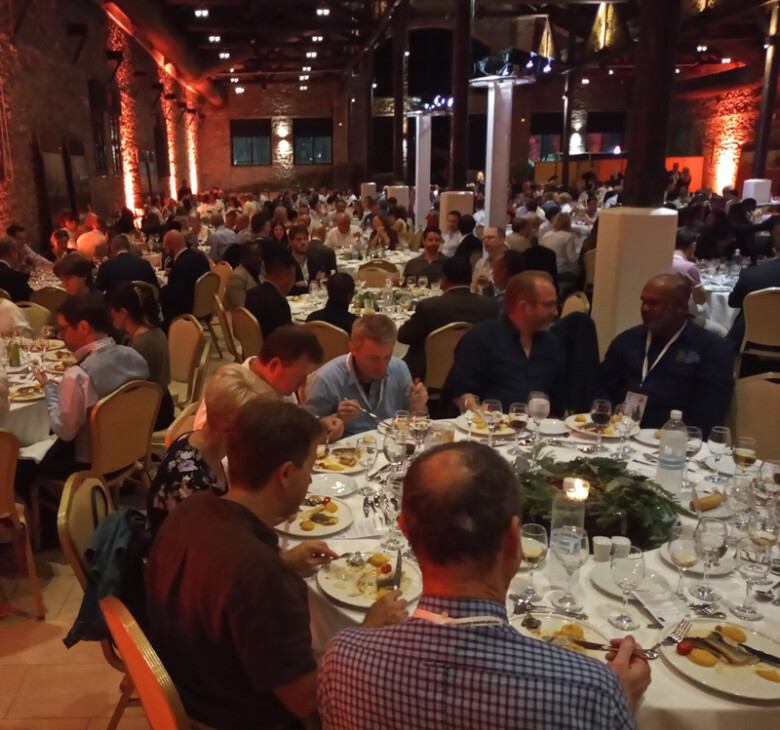
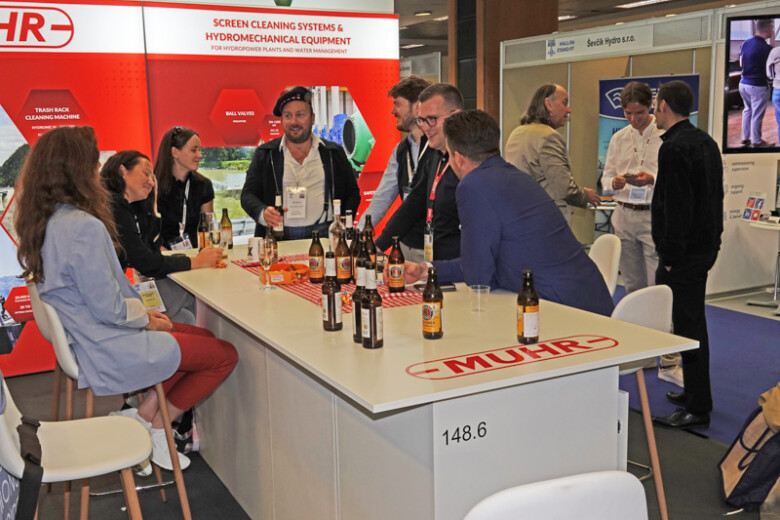
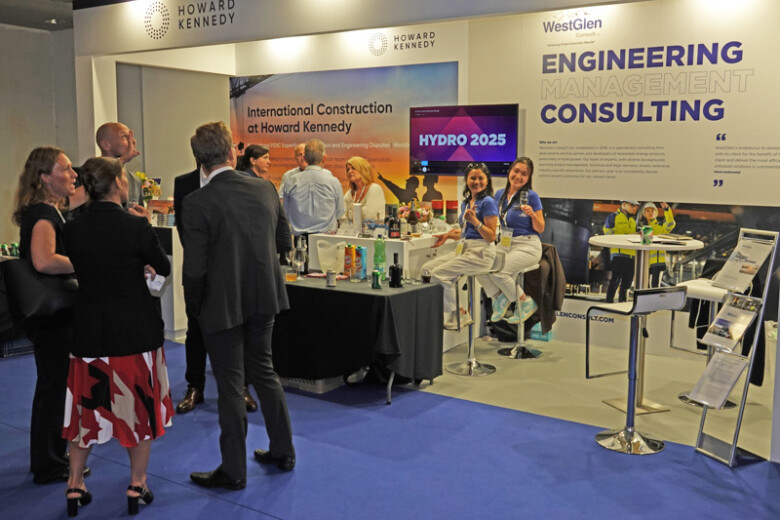
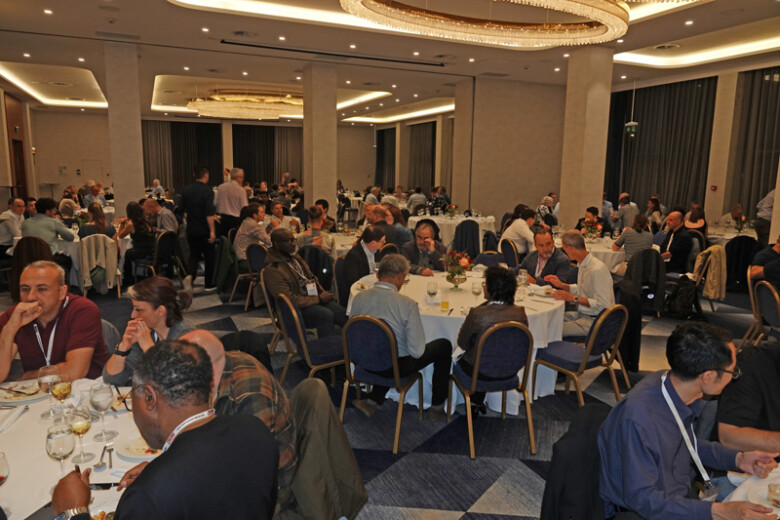
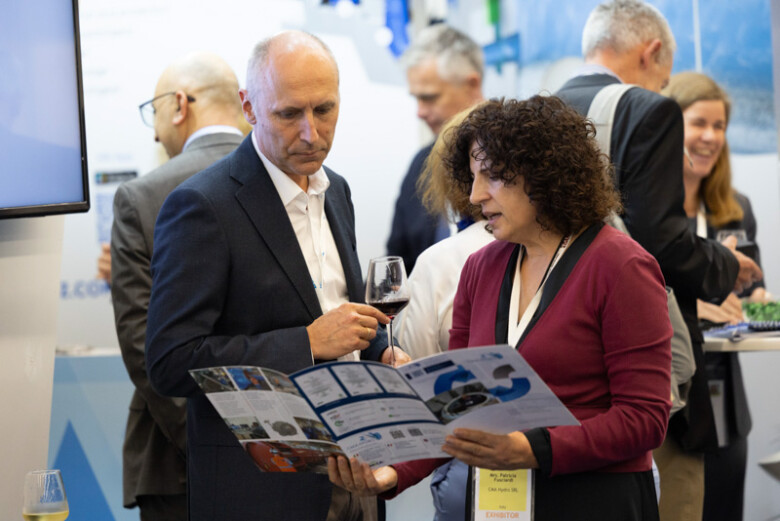
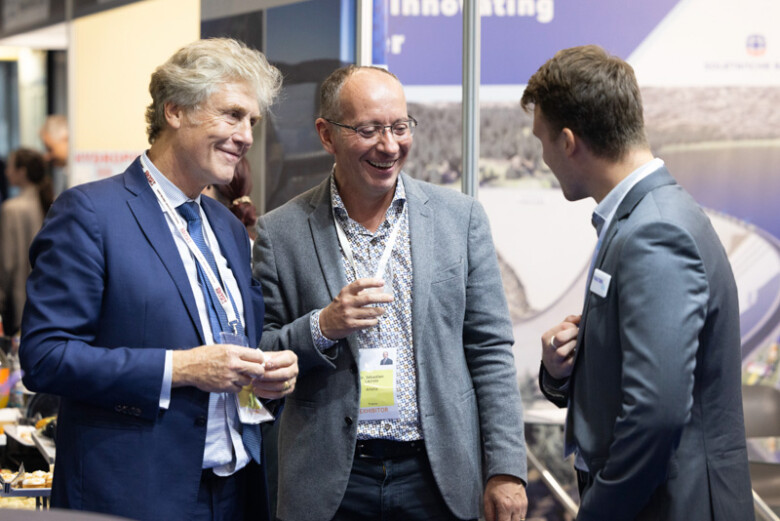
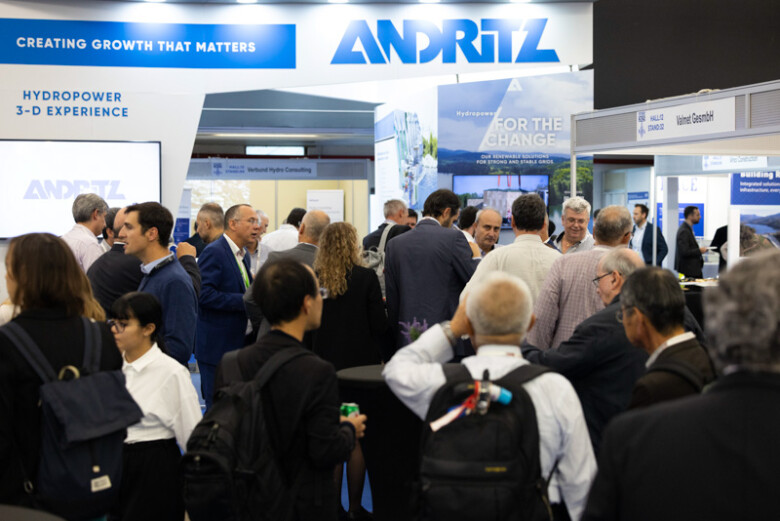
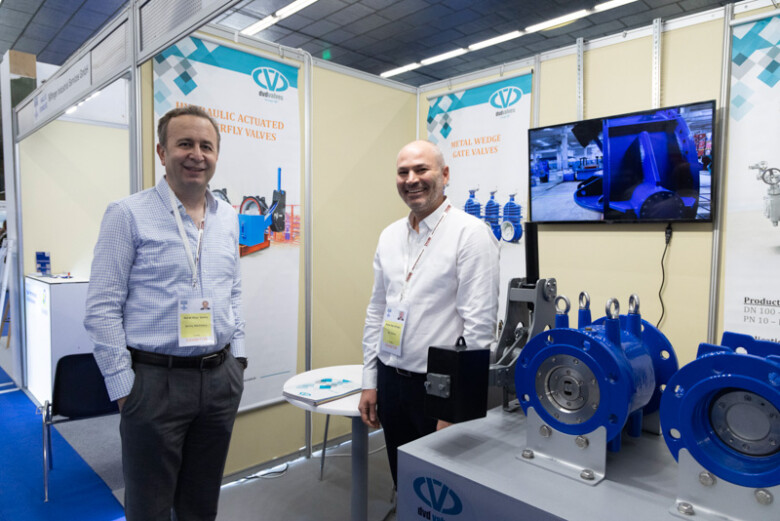
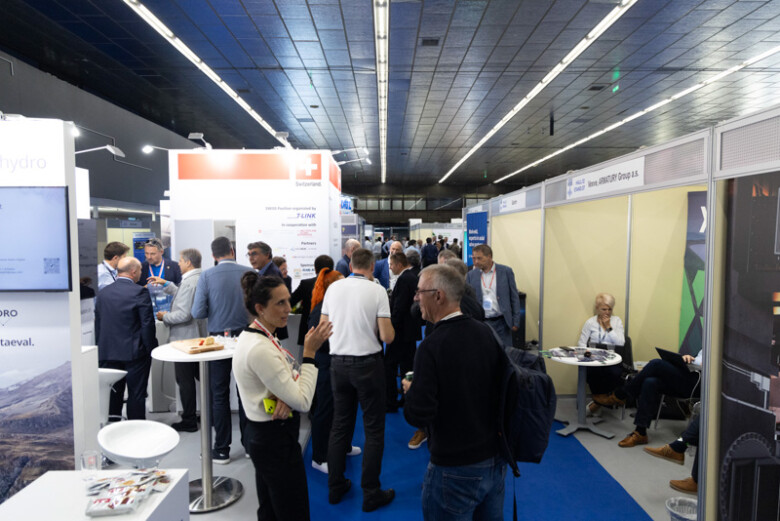
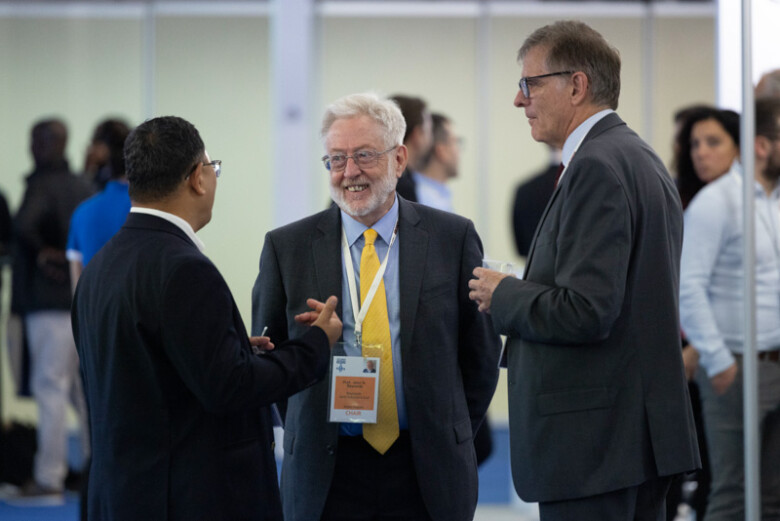
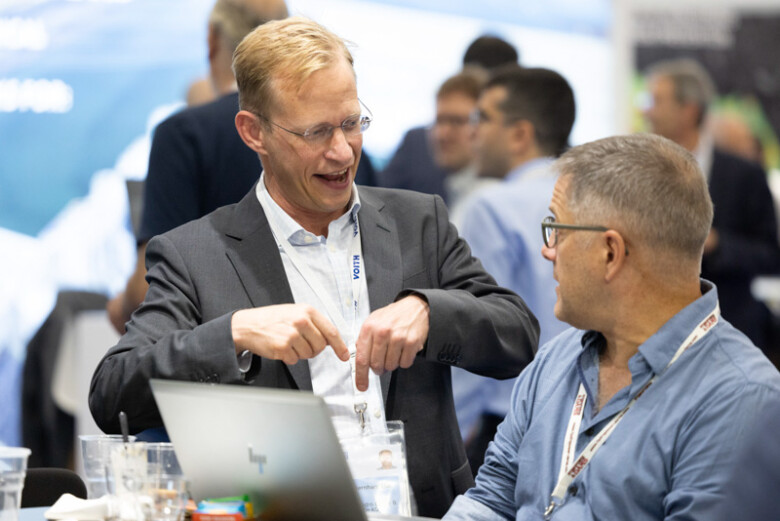
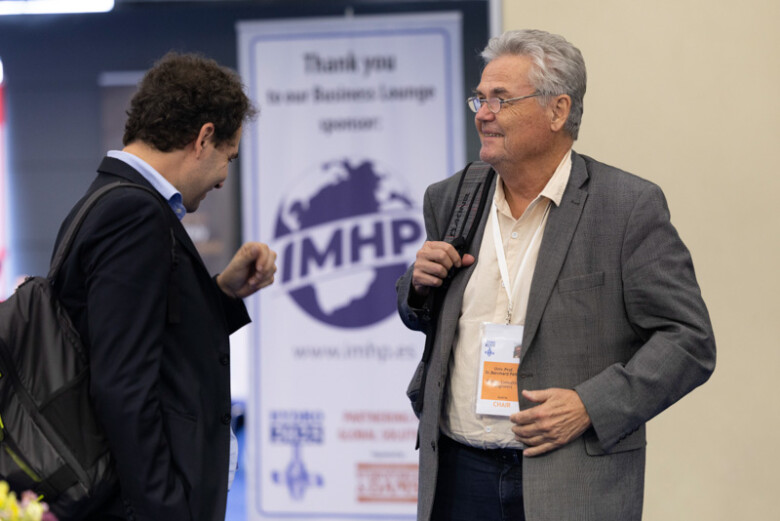
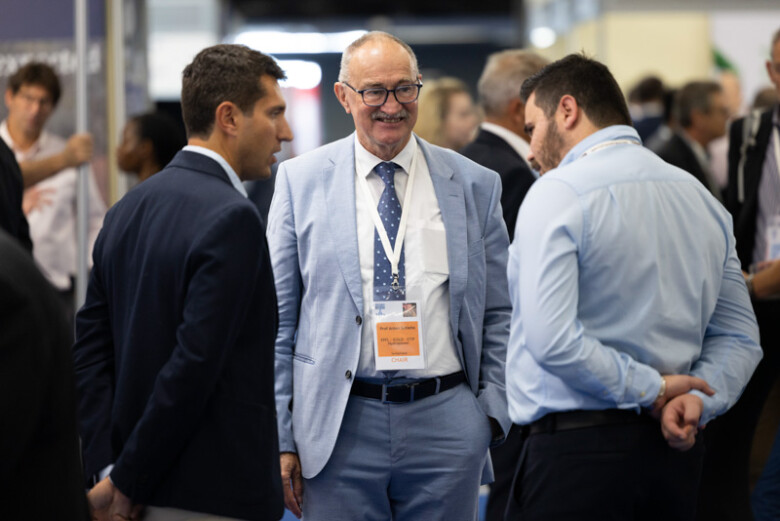
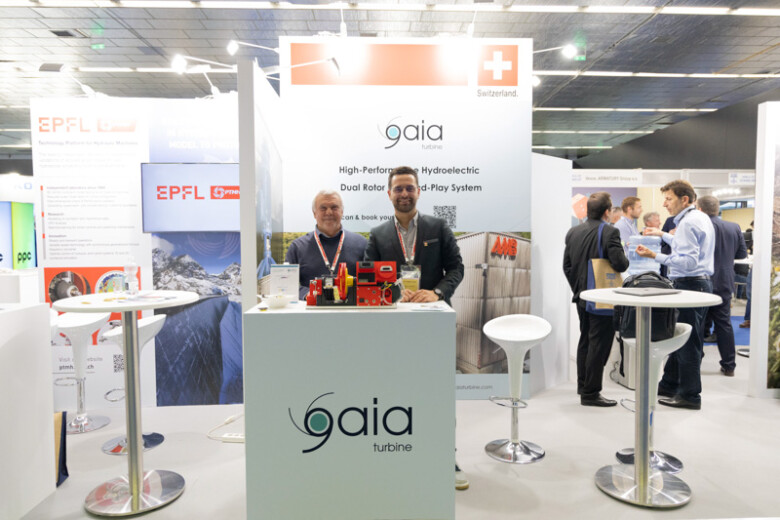
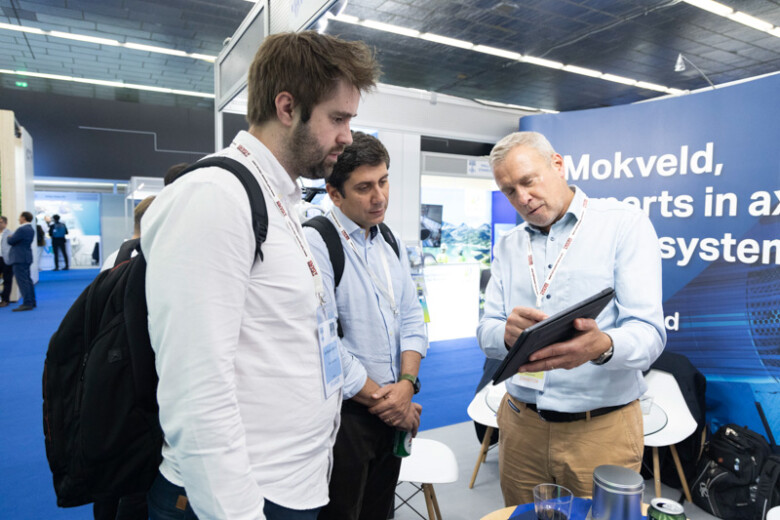
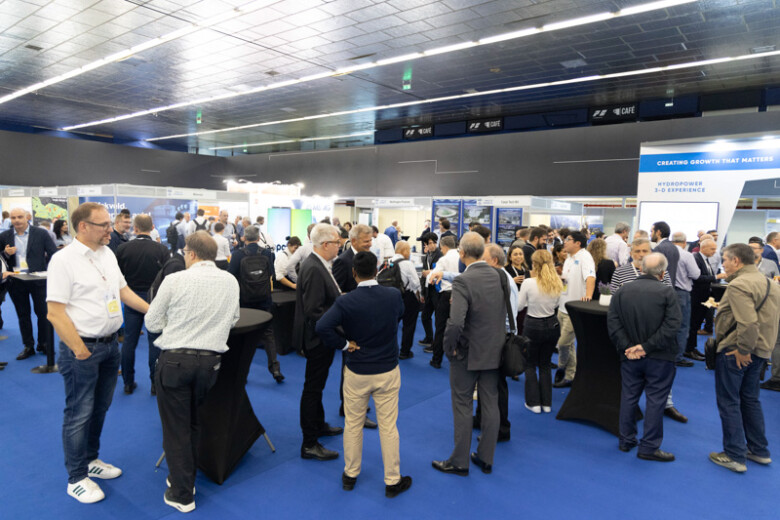
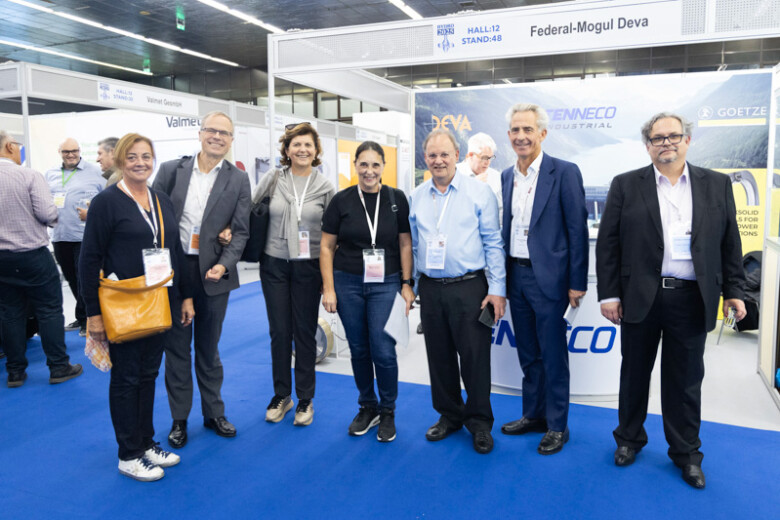
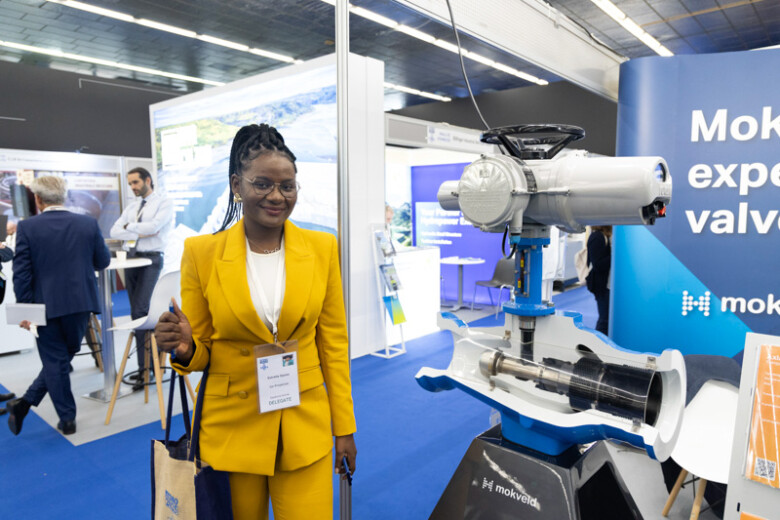
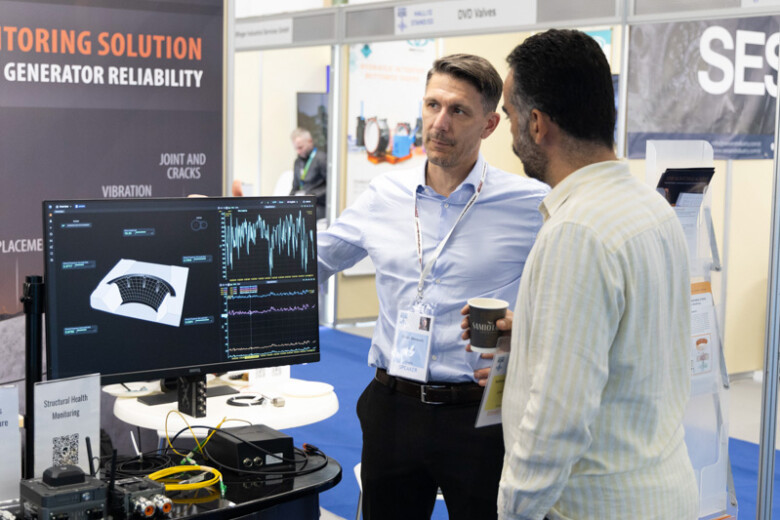
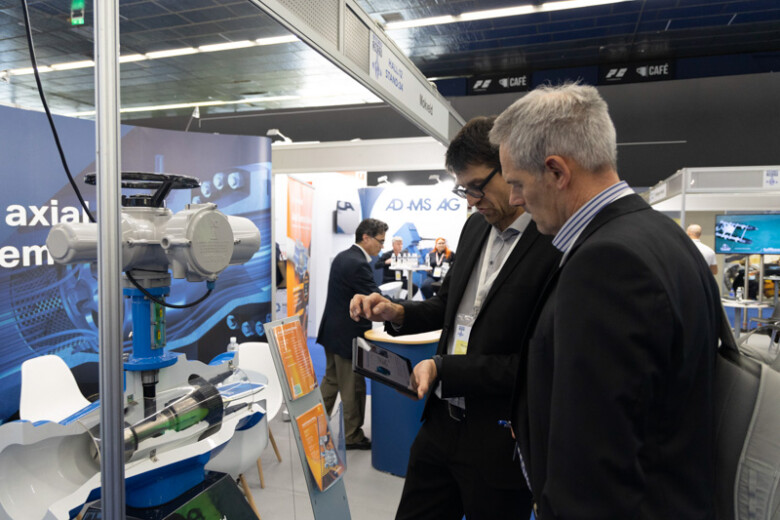
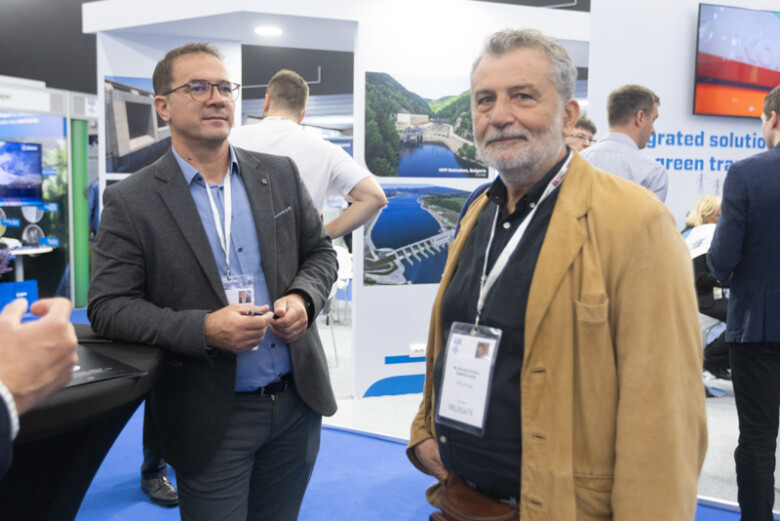
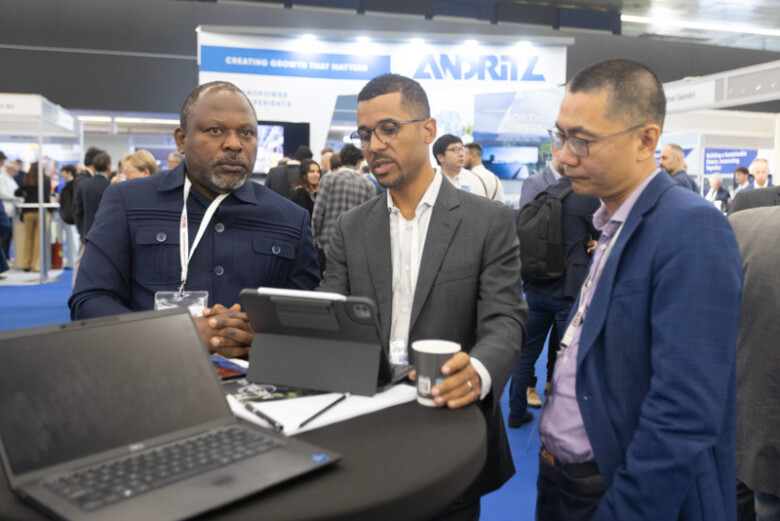
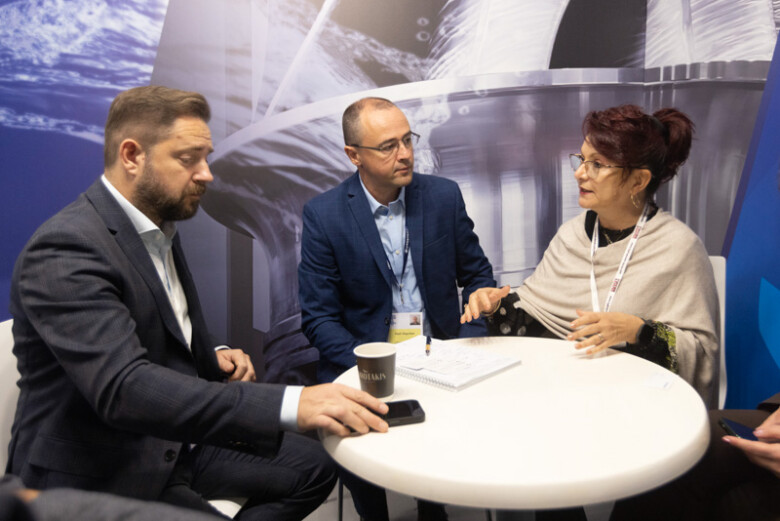
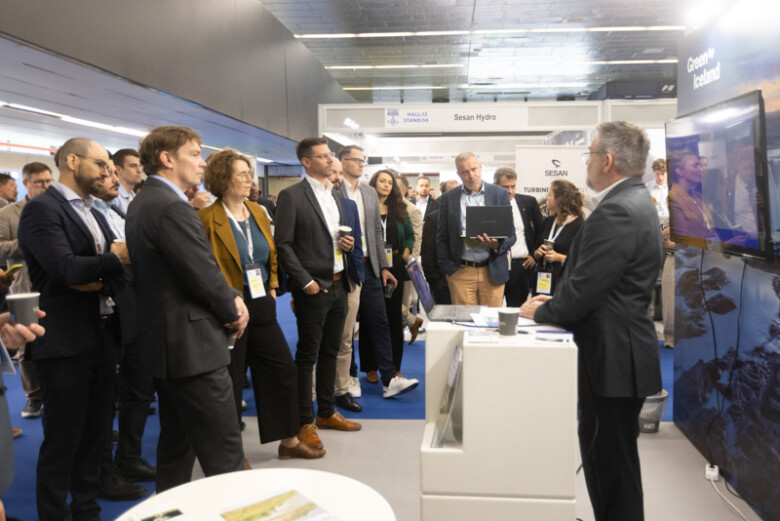
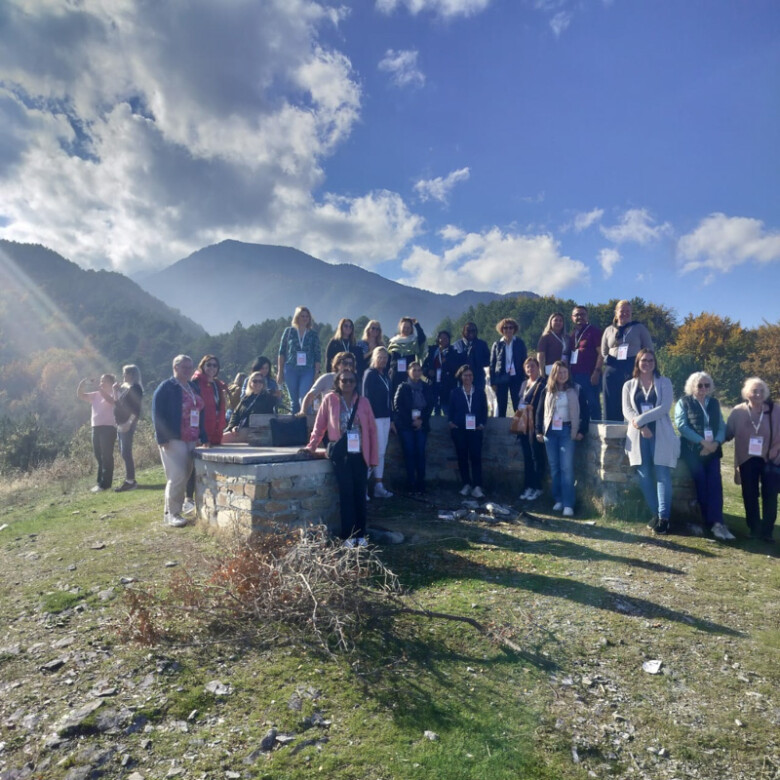
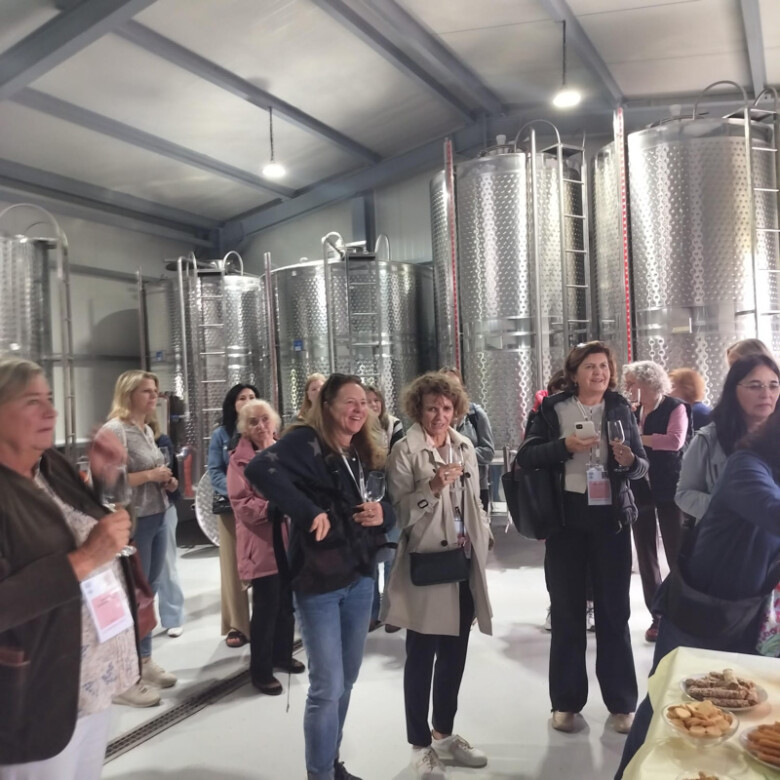
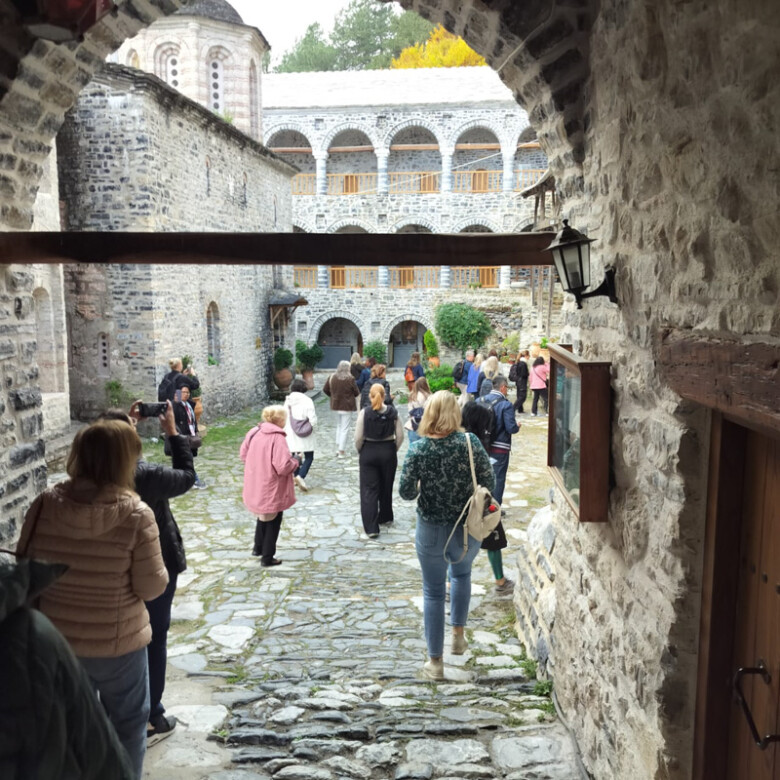
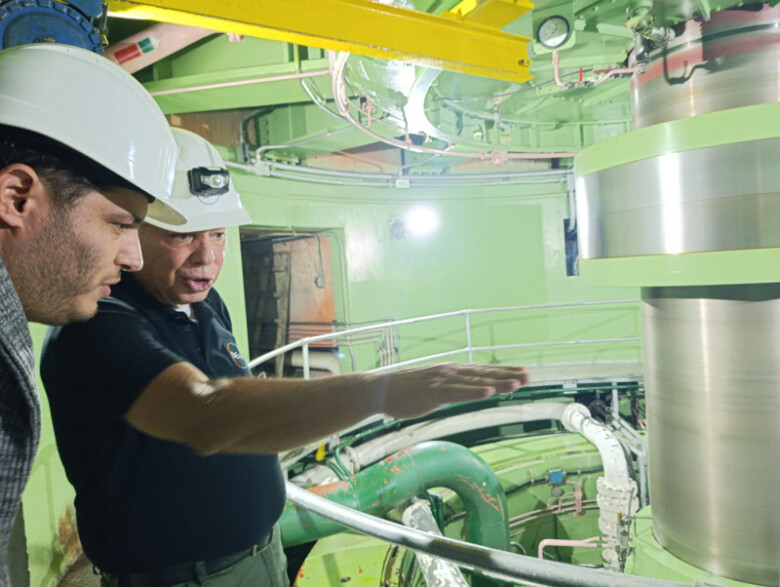
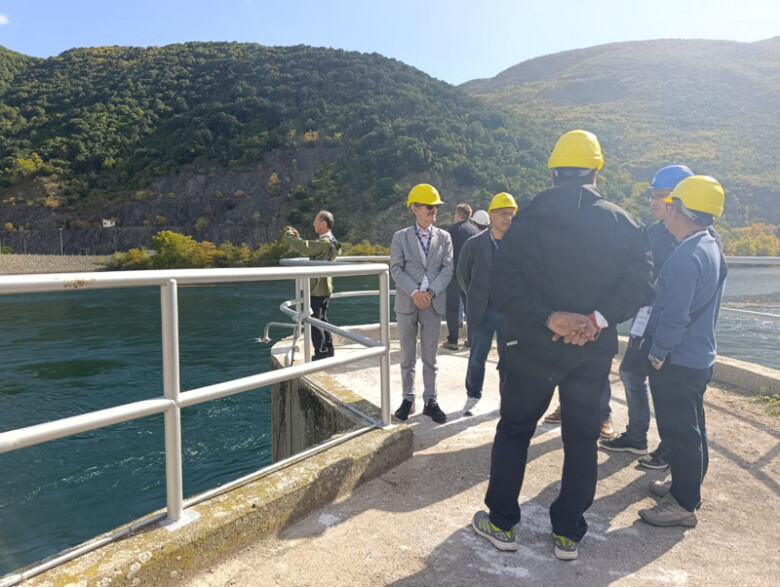
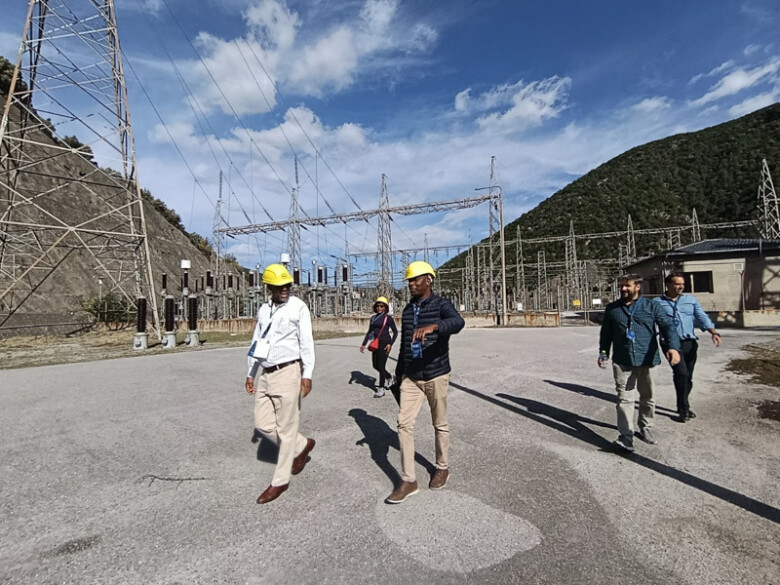
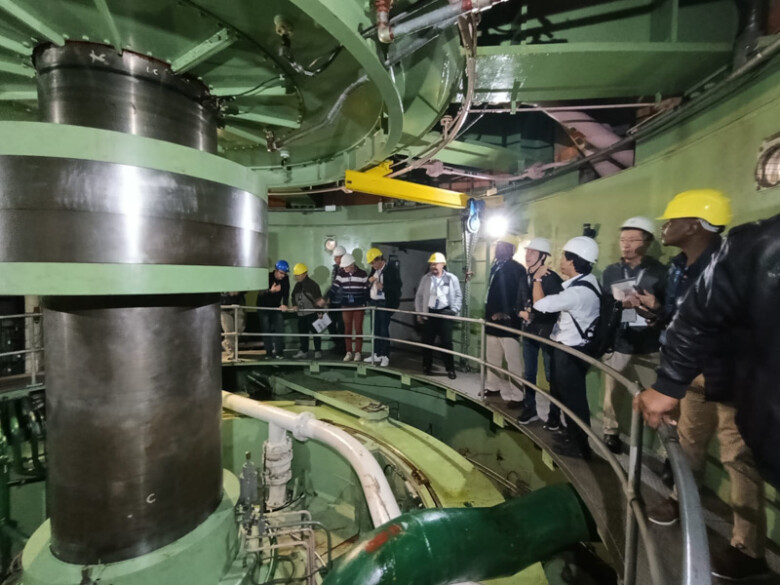
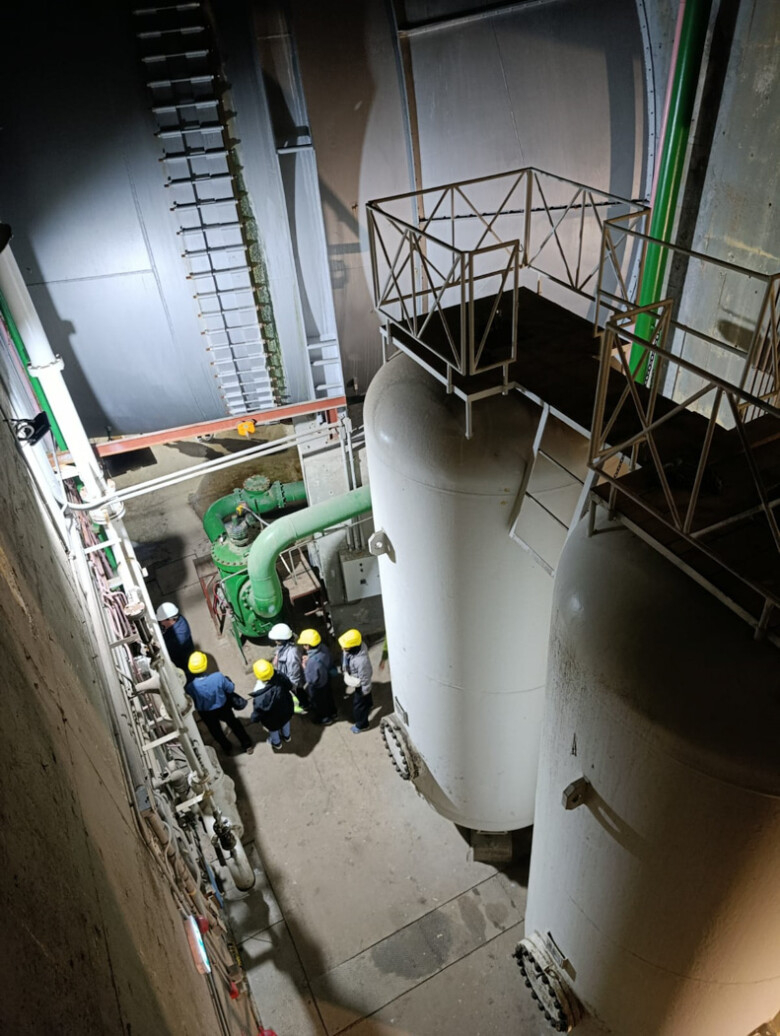
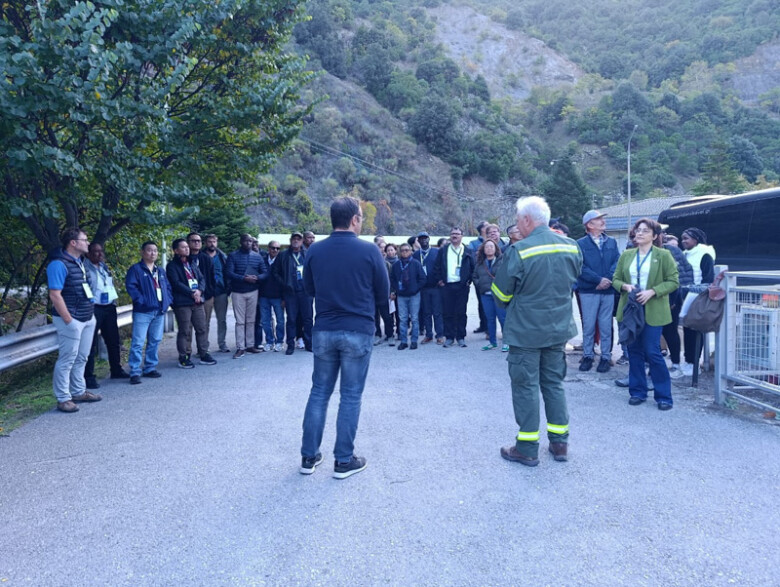
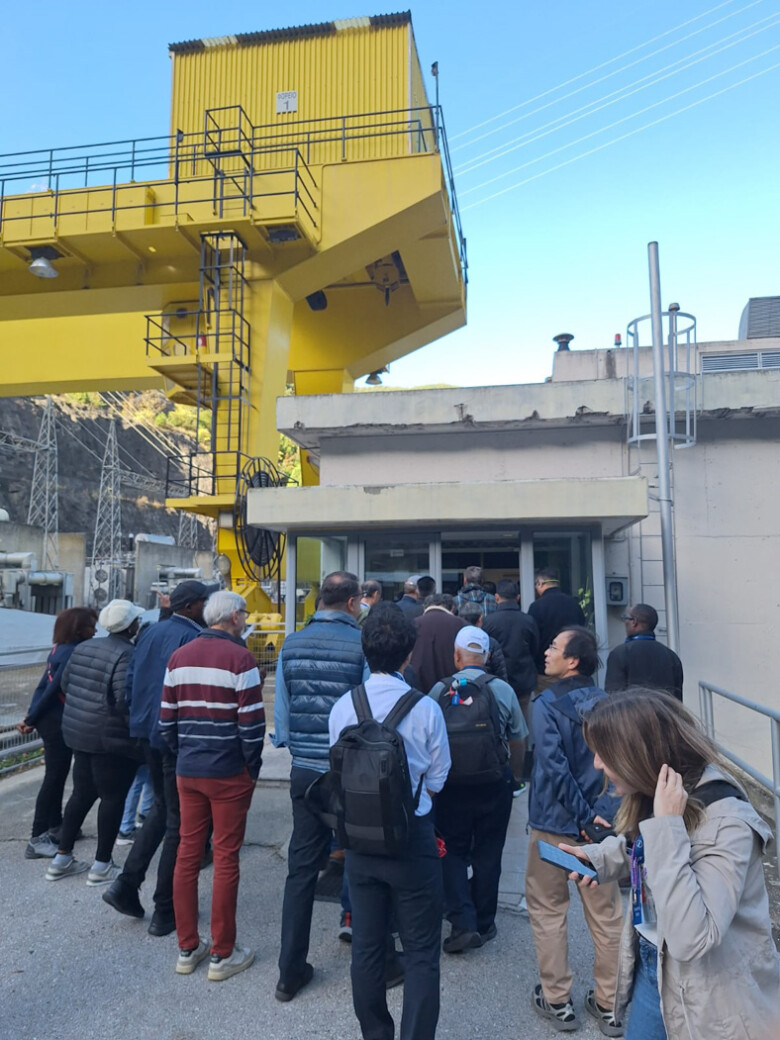
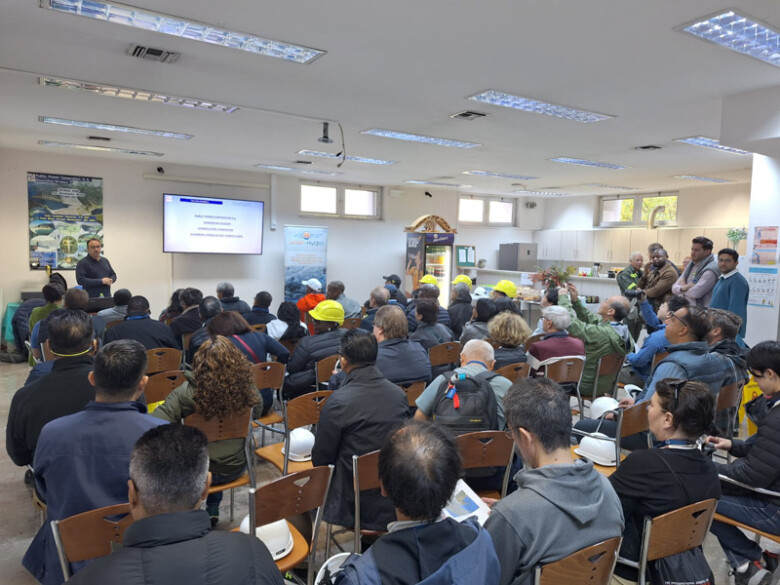
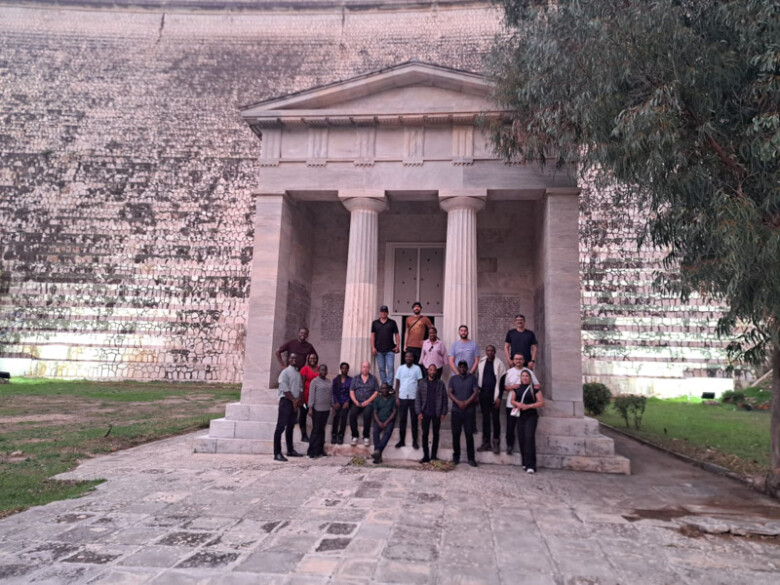
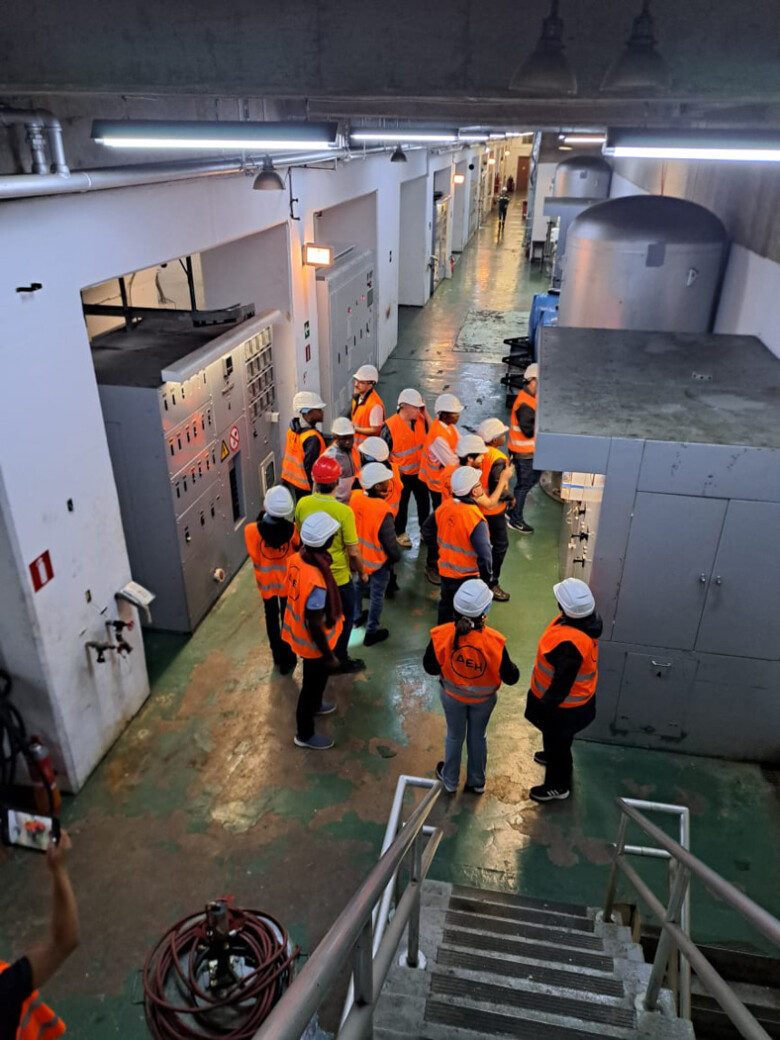
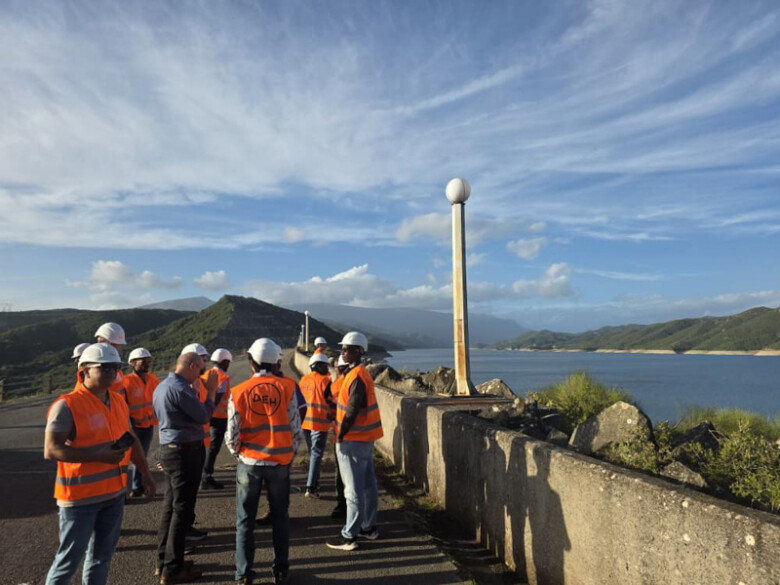
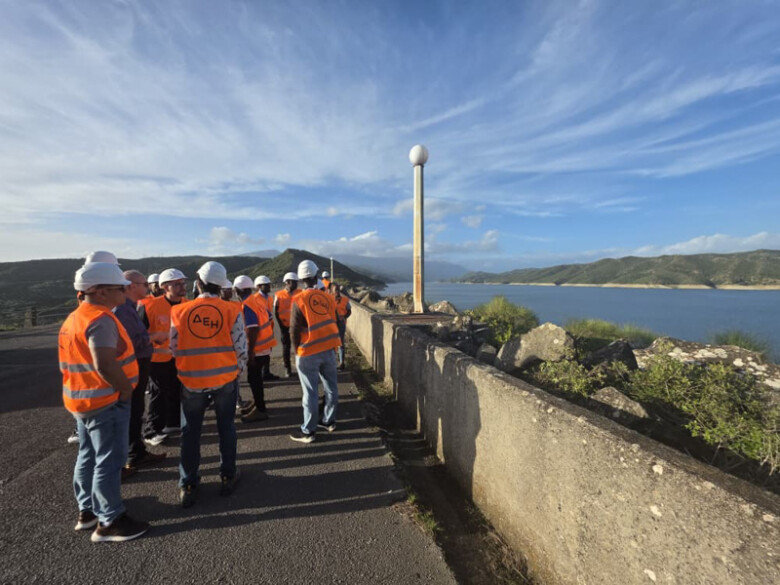
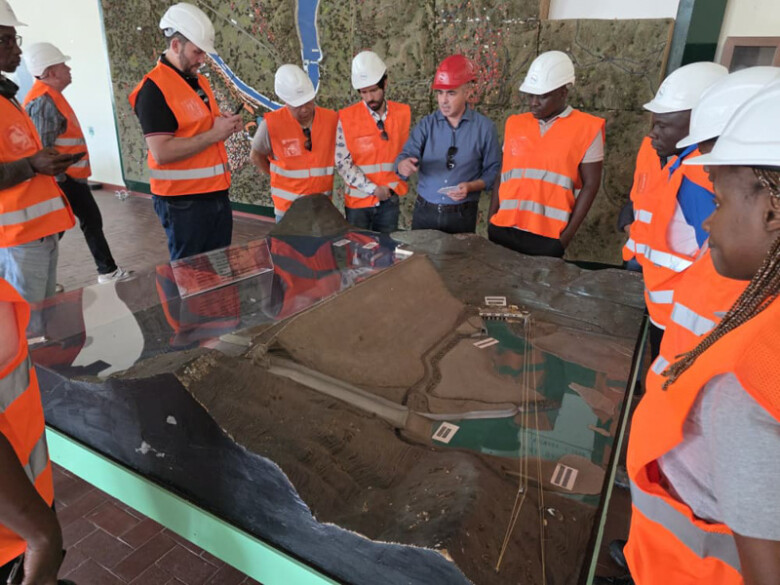
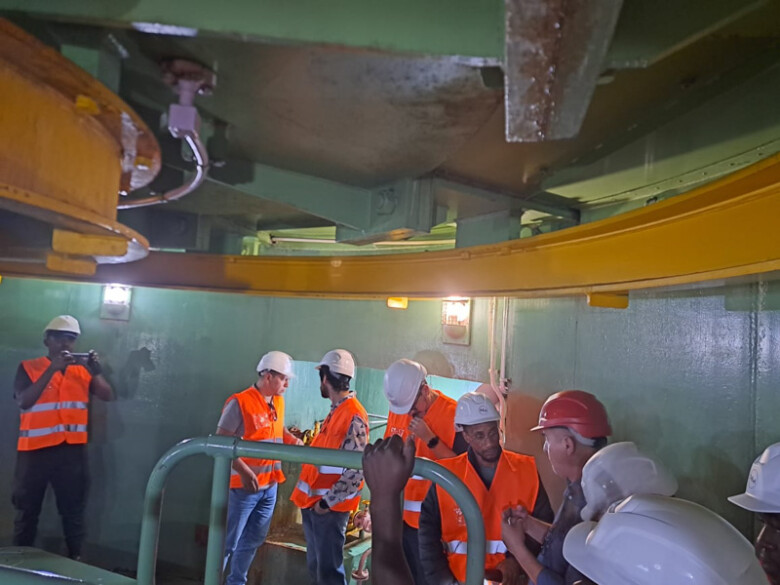
Three days of intense discussions in Thessaloniki, preceded by three training workshops and followed by three technical study tours, provided a forum for more than 1000 delegates from 69 countries to exchange views on the most topical issues for the hydropower profession, and to learn from each other’s experience.
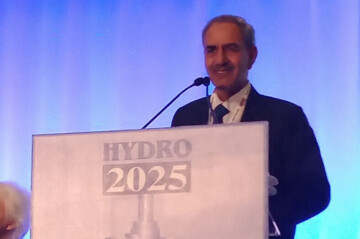
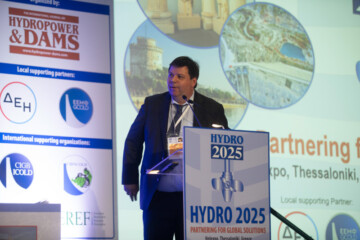
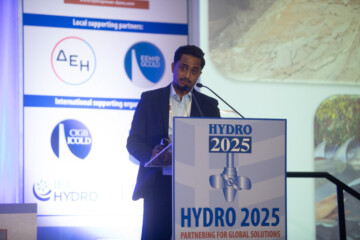
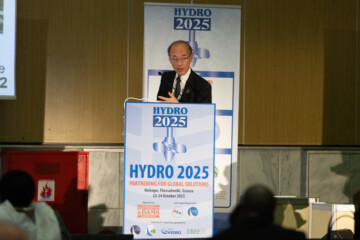
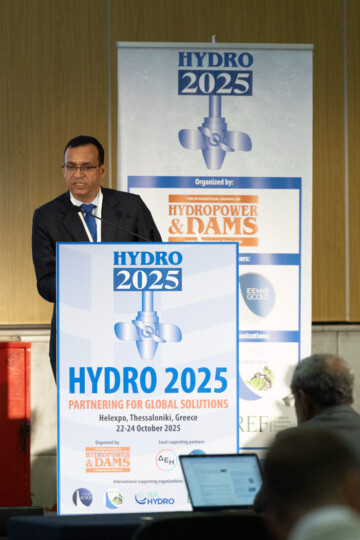
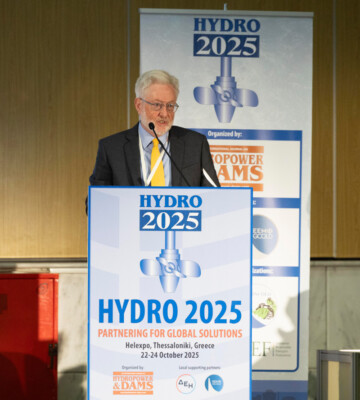
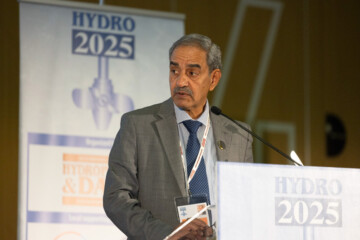
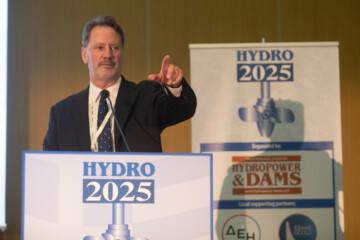
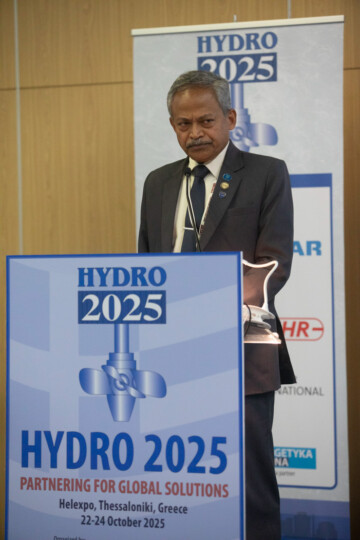
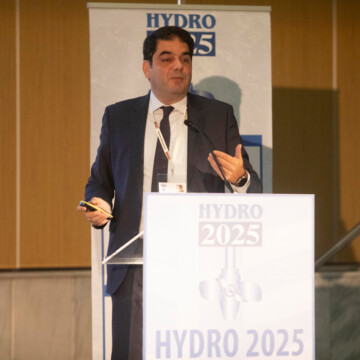
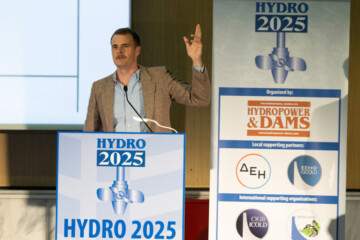
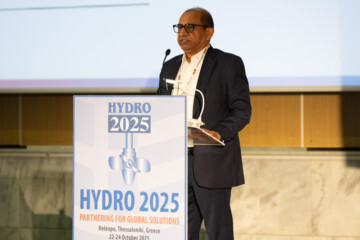
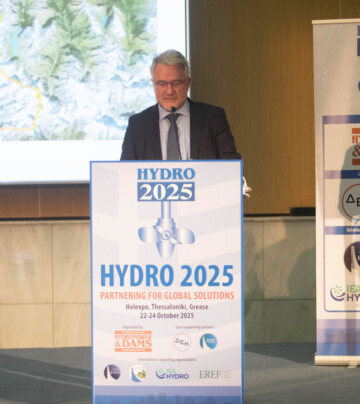
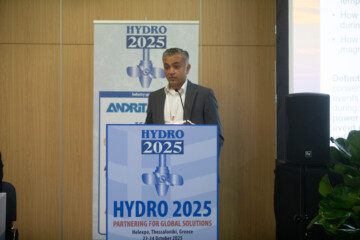
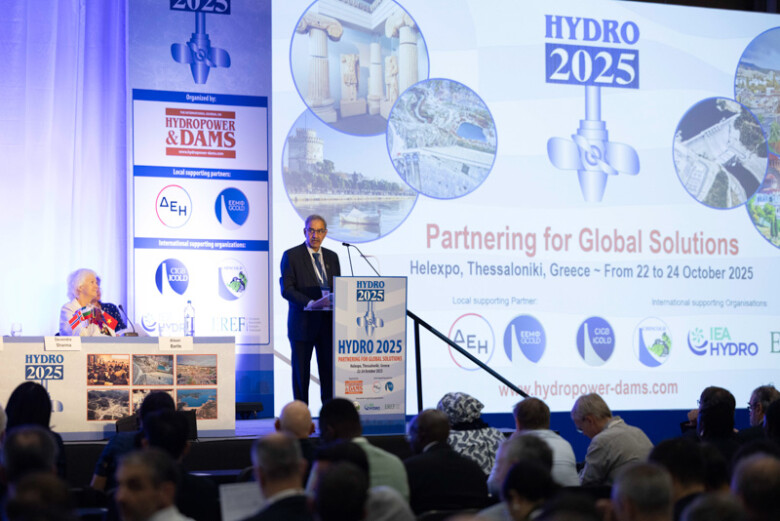
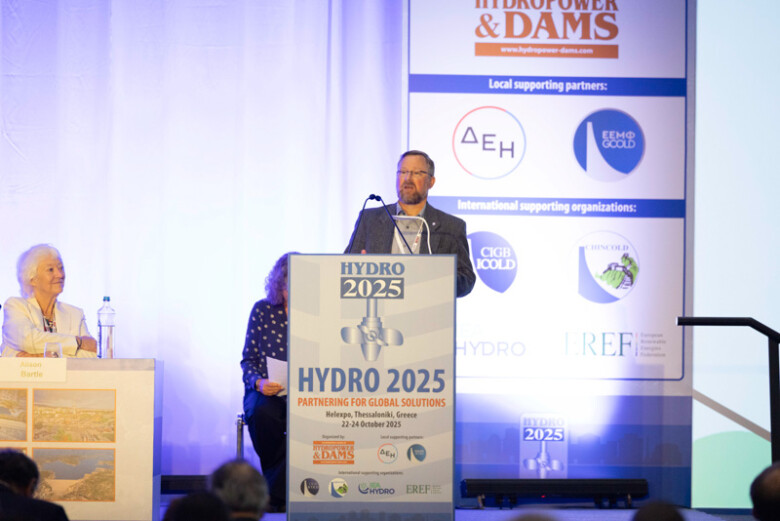
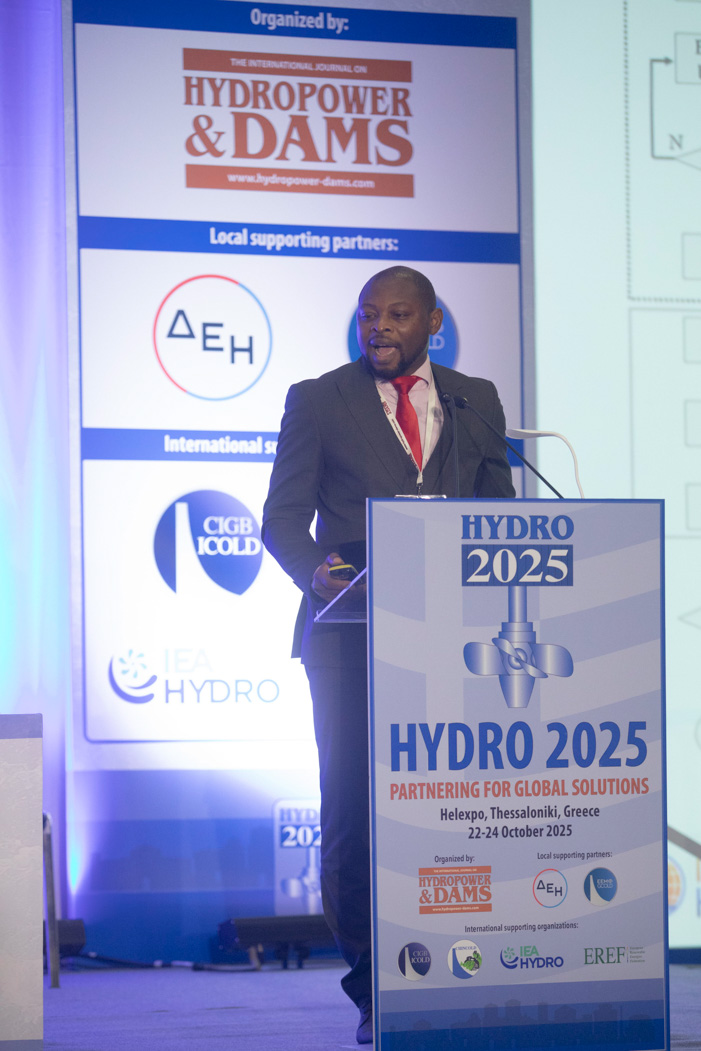
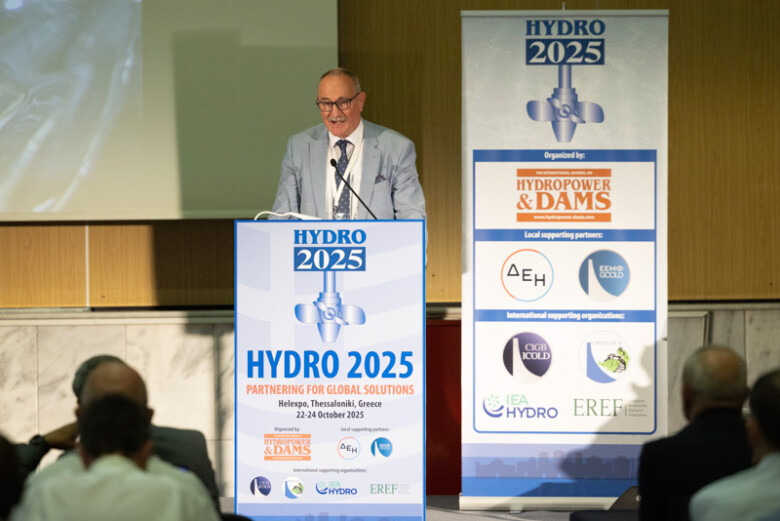
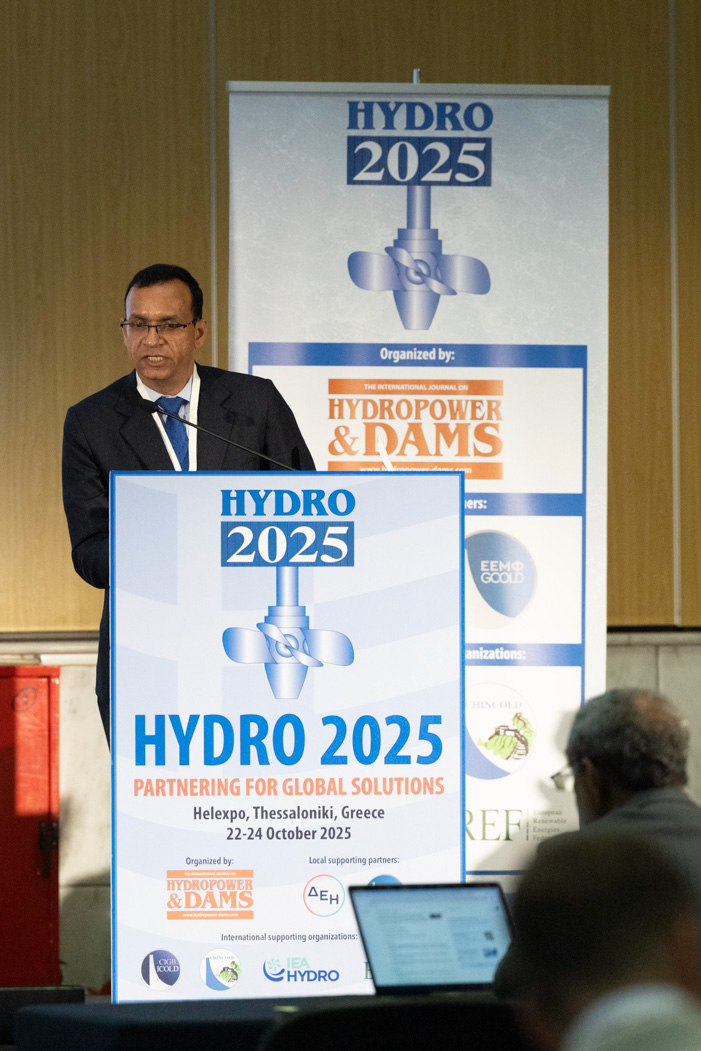
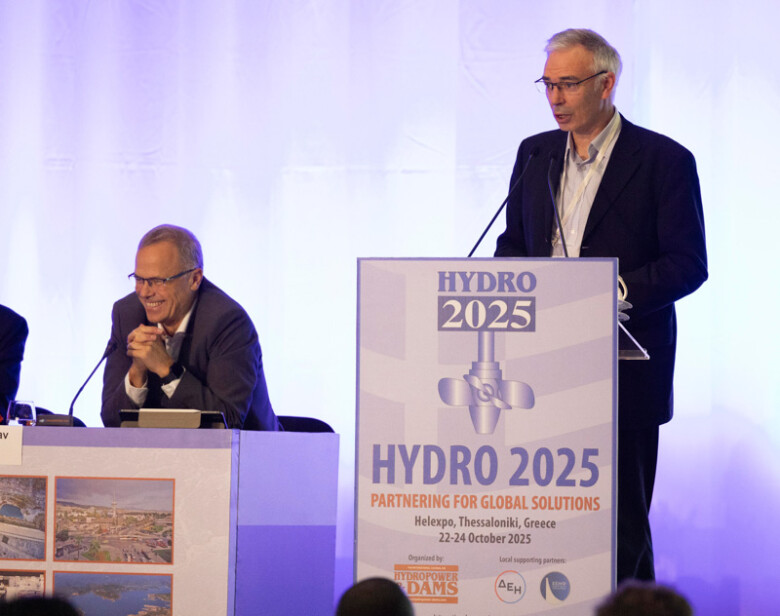
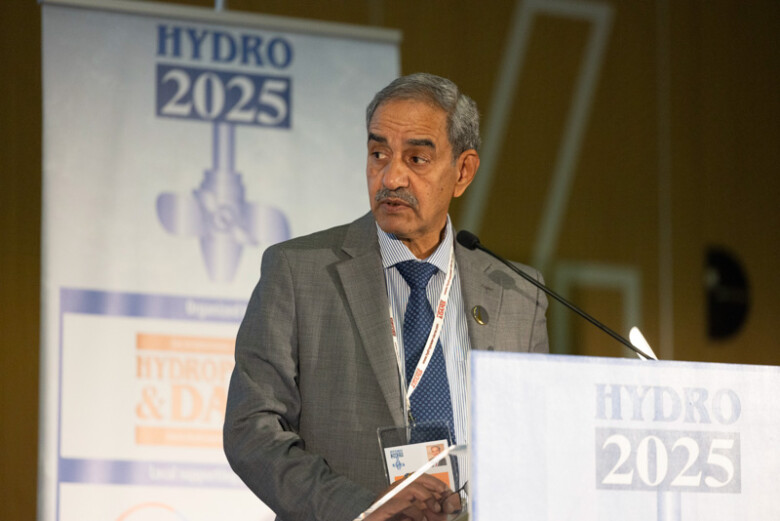
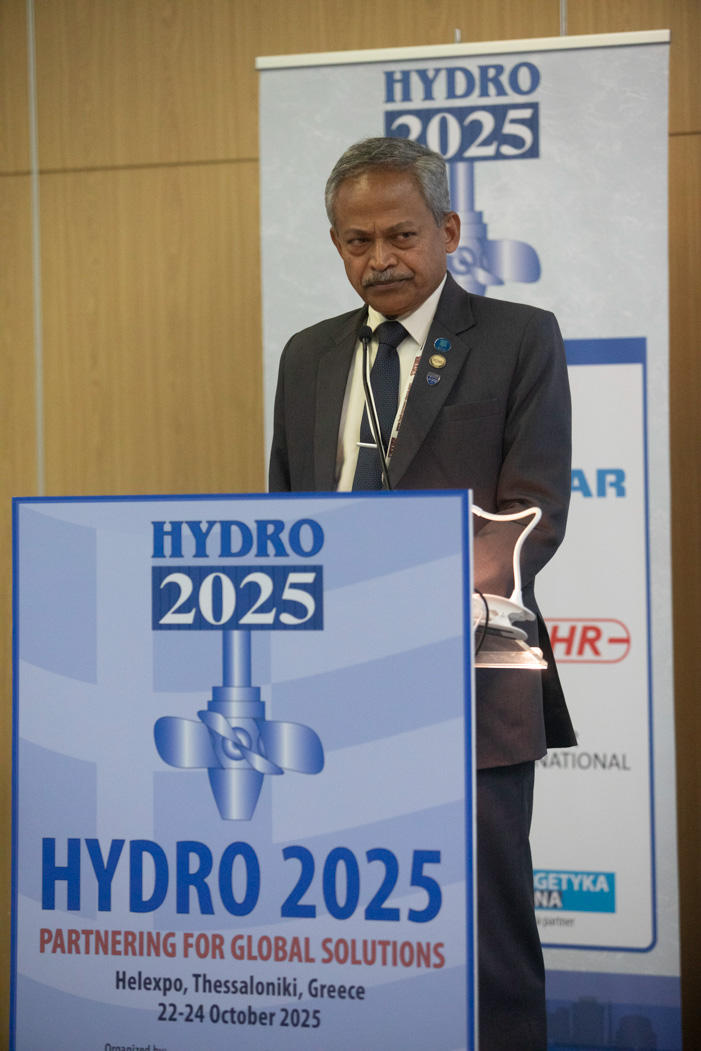
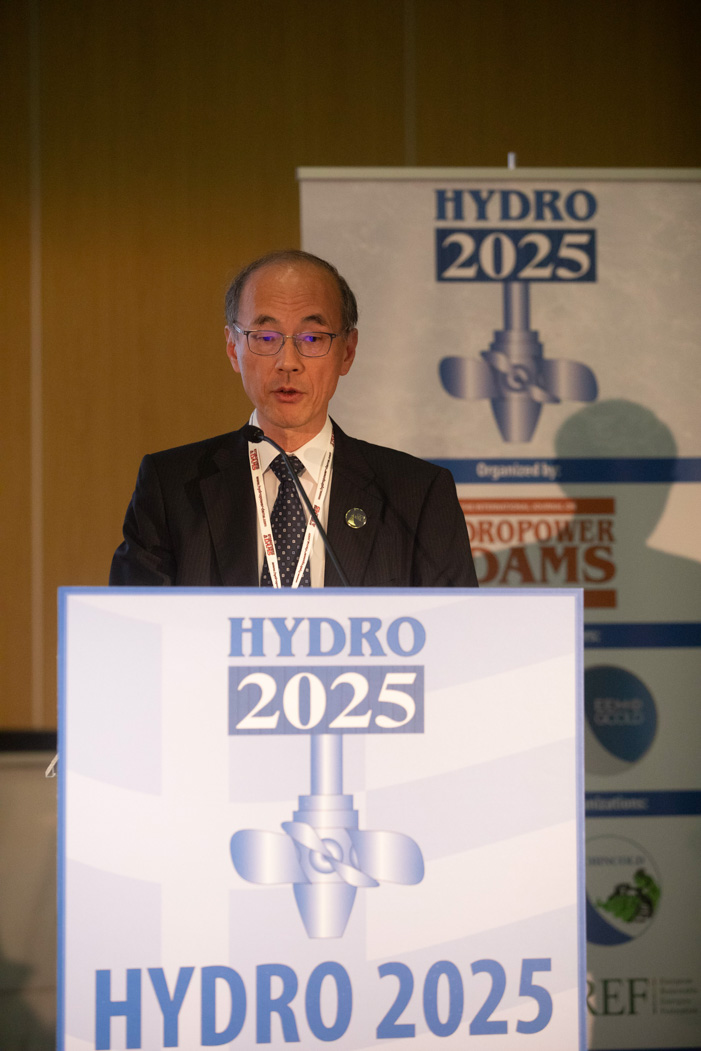
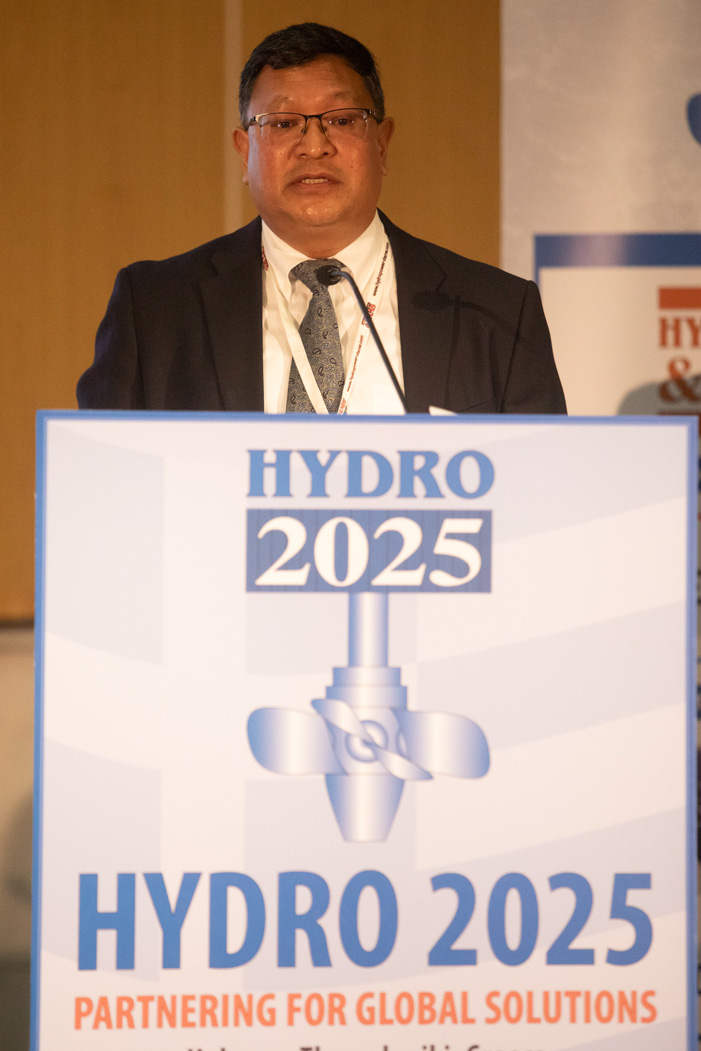
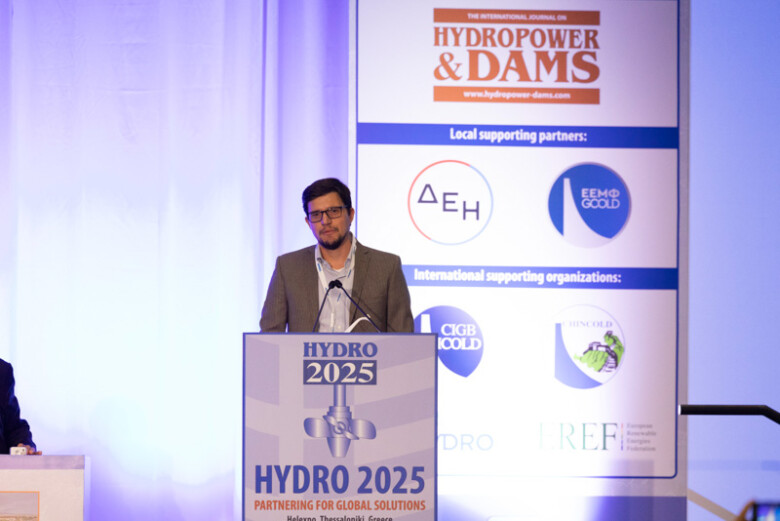
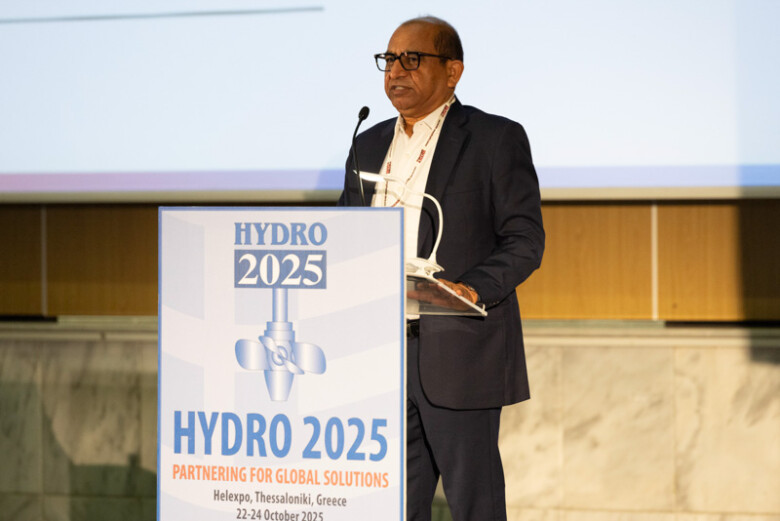
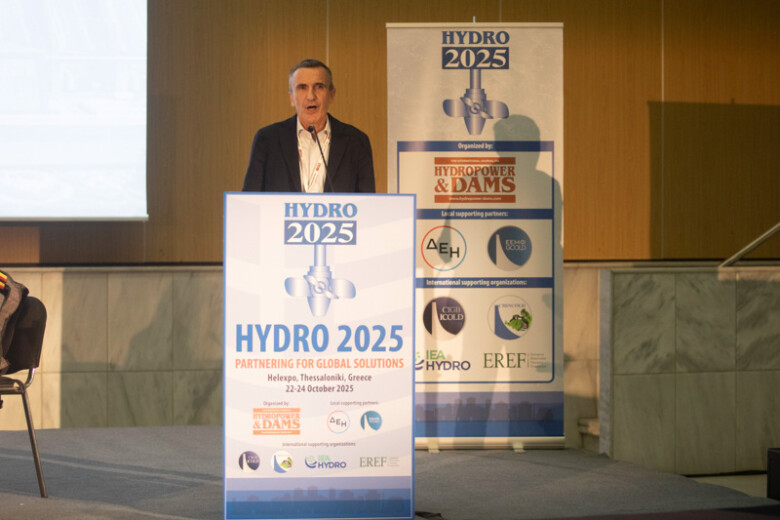
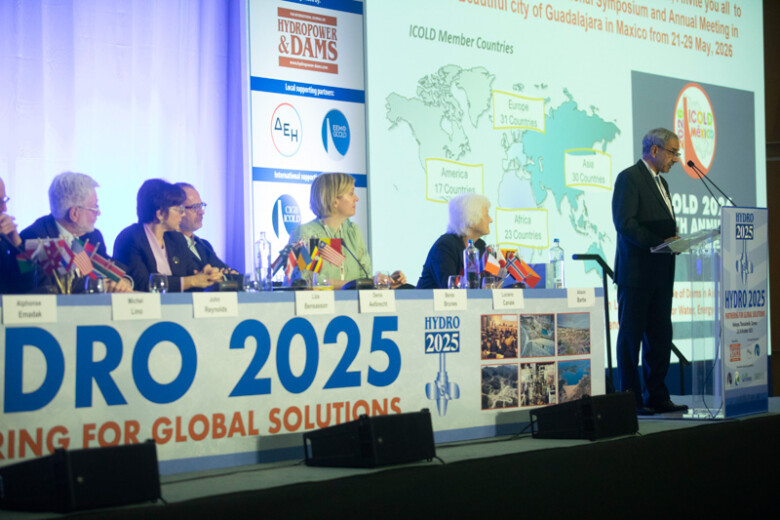
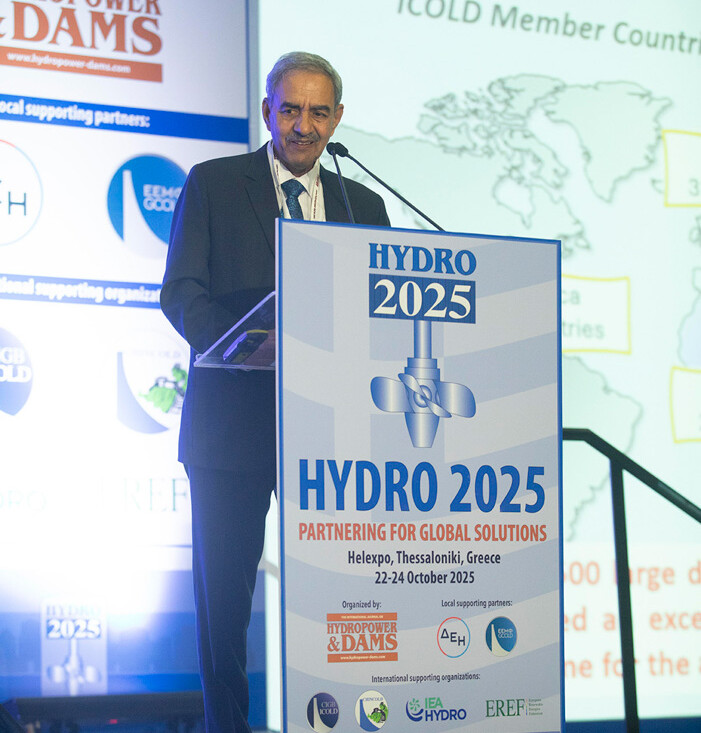
In the opening plenary session of HYDRO 2025, ICOLD President Devendra Sharma drew attention to the need to accelerate the pace of development, outlining some of the hindering factors, calling for clear, consistent regulatory frameworks and administrative reforms to simplify and expedite concession-granting procedures. Continued momentum will require bold policy actions, he said, including reforms to reward hydropower’s multiple benefits by regulators.
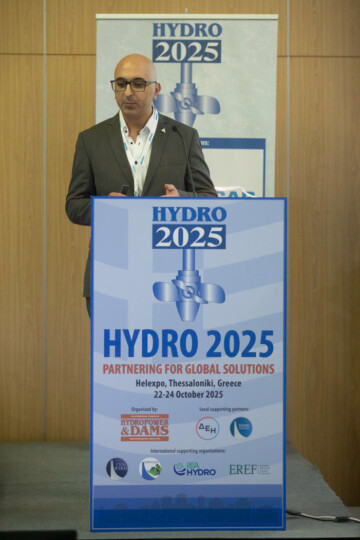
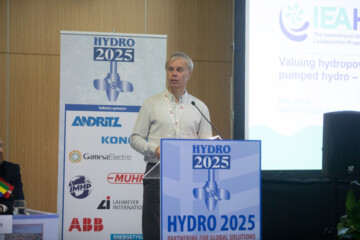
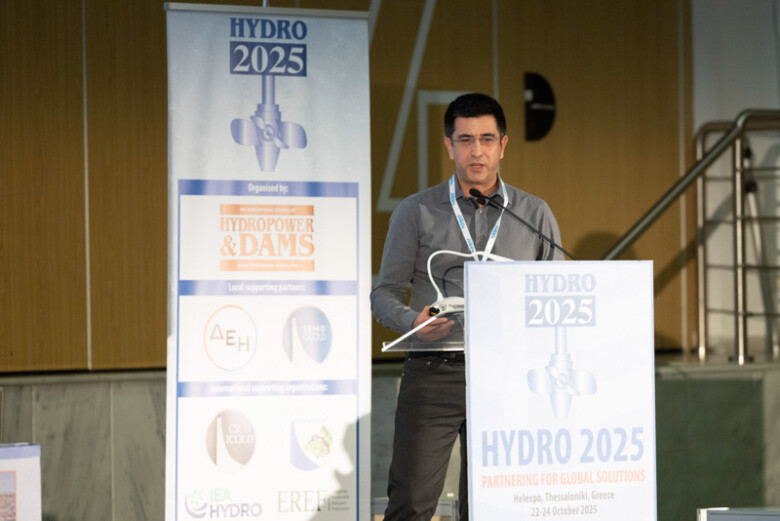
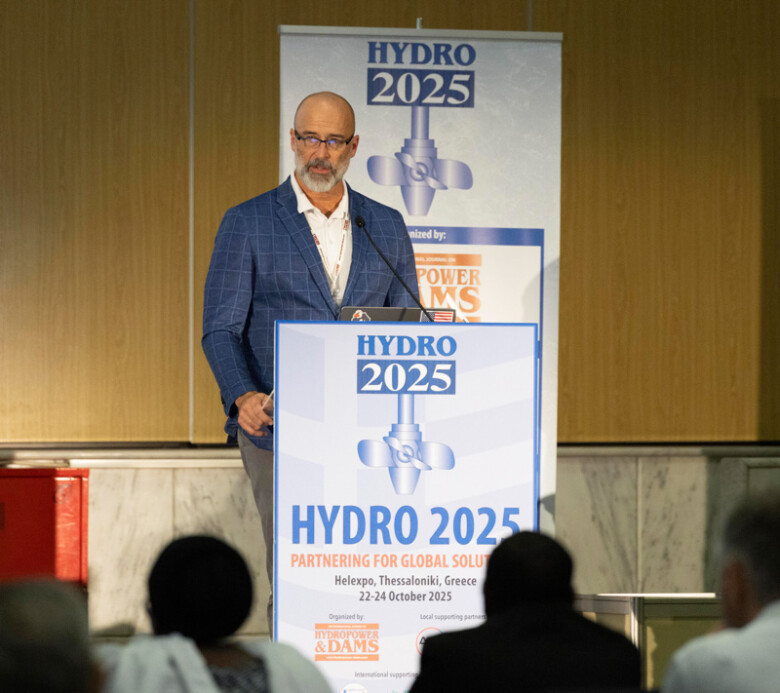
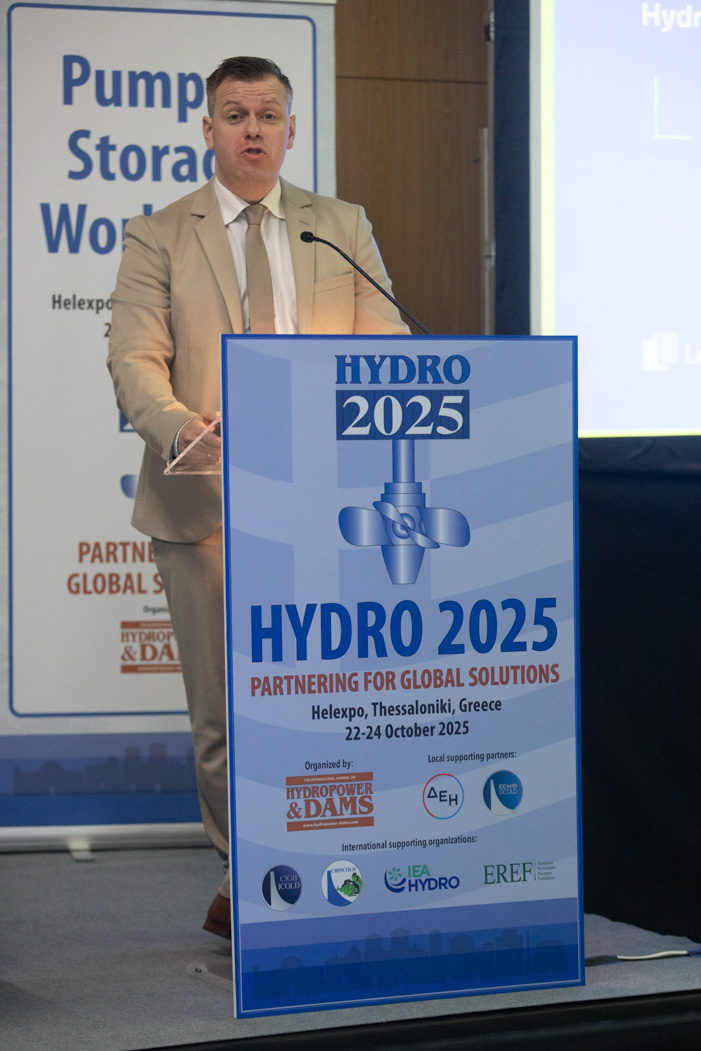
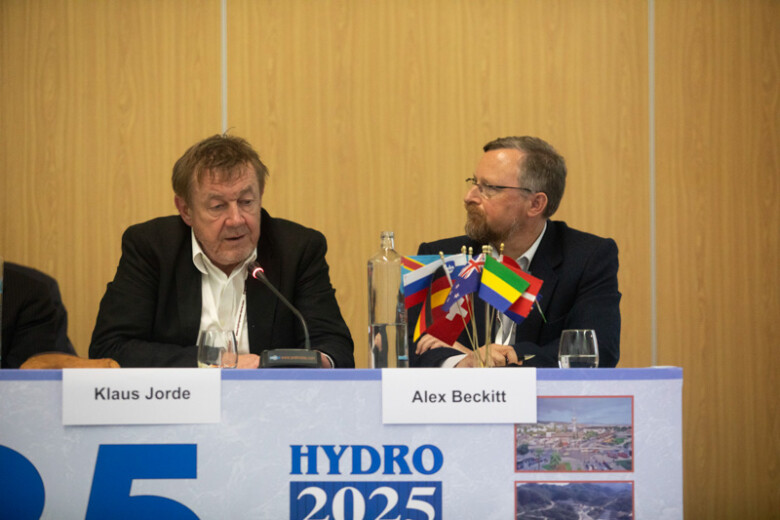
Alex Beckitt, chair of IEA-HYDRO, quoted from the very recent statement issued by the Executive Director of the International Energy Agency, Fatih Birol, (on 17 October): “Hydropower remains the ‘forgotten giant of electricity,’ often overlooked in policy debates”. IEA is urging governments to elevate hydropower on the energy policy agenda to unlock its full potential. A session dedicated to the work of the IEA Technical Collaboration Programme, demonstrated the practical and topical issues and challenges being addressed.
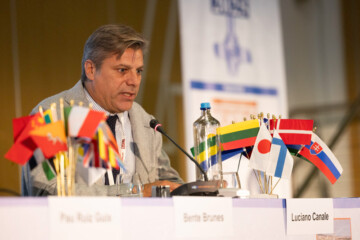
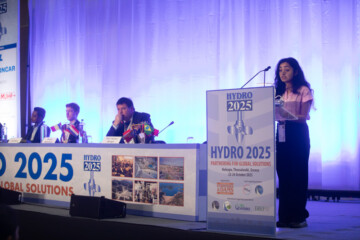
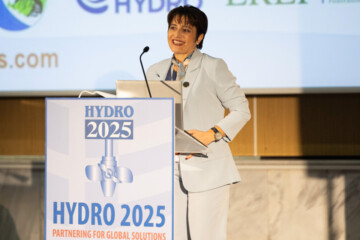
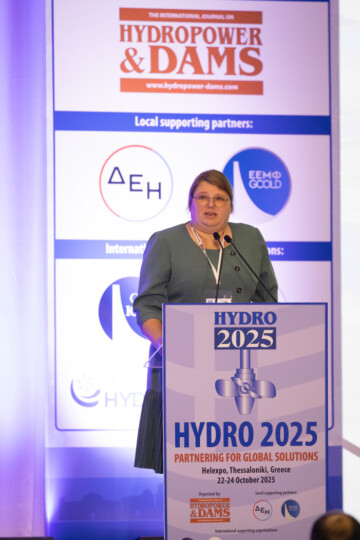
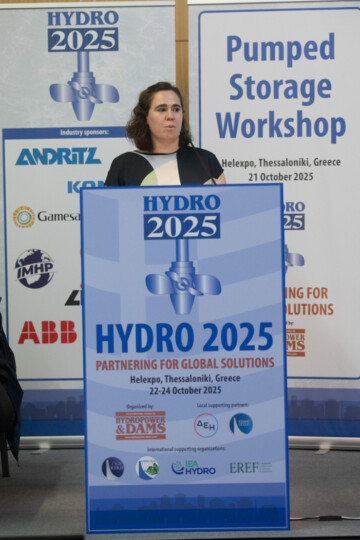
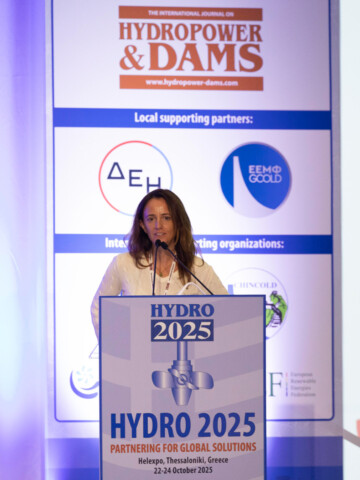
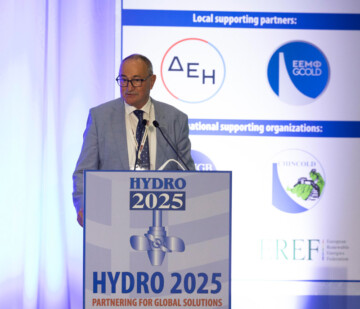
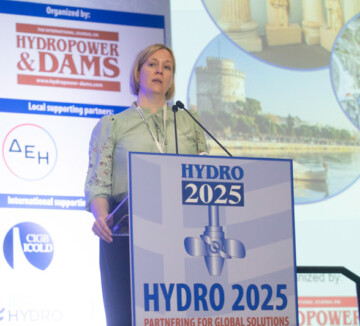
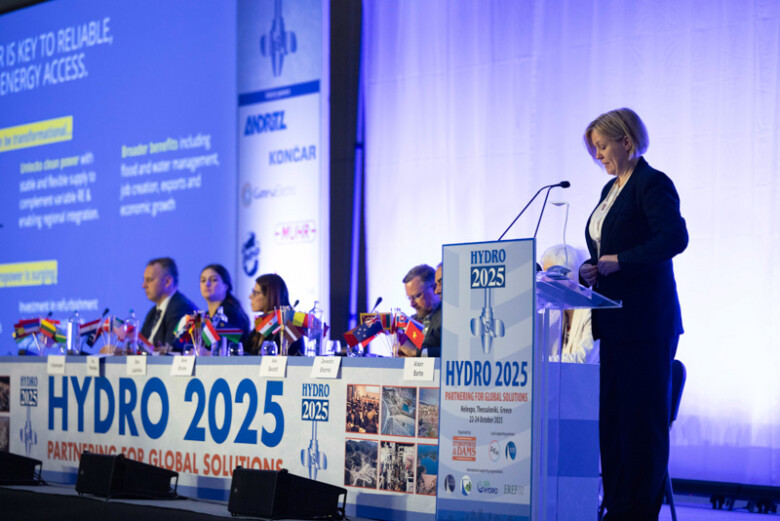
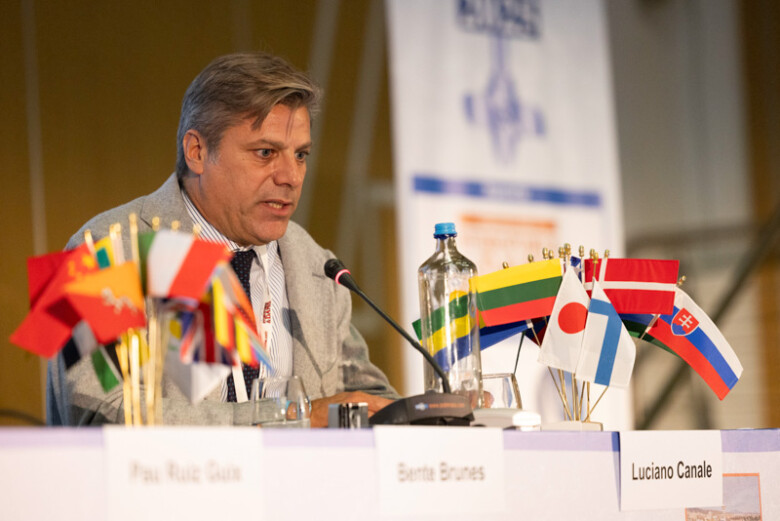
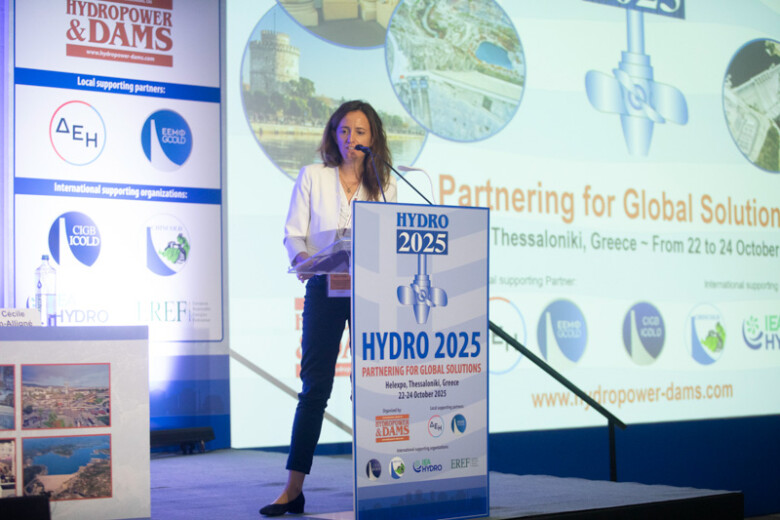
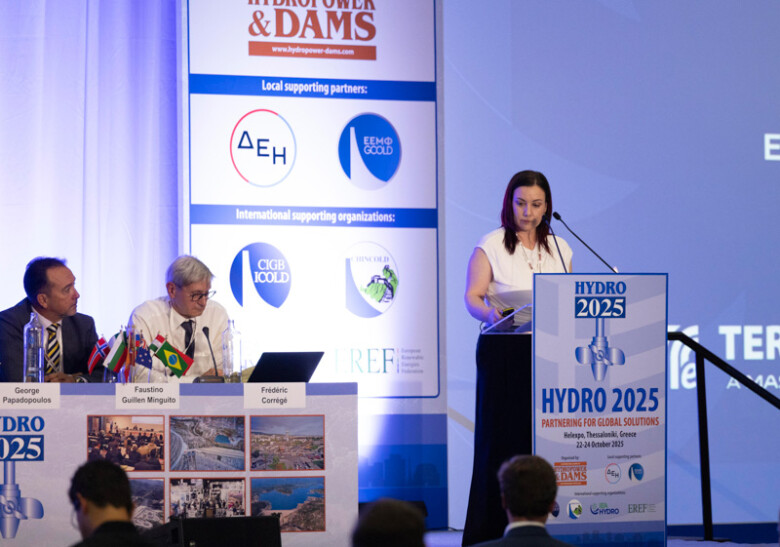
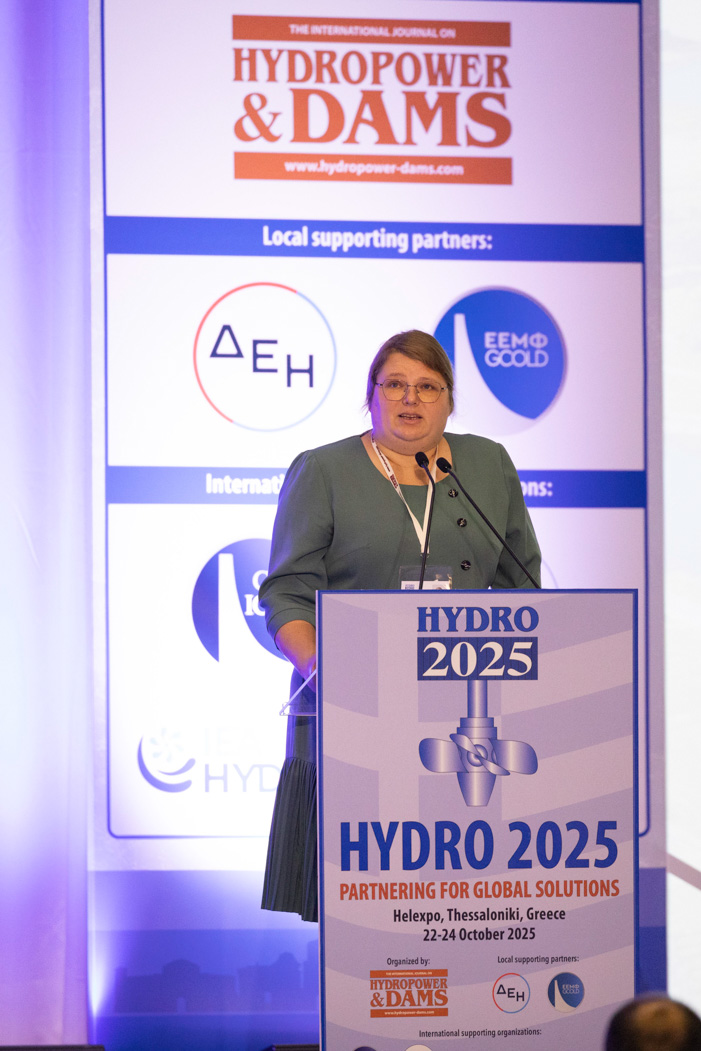
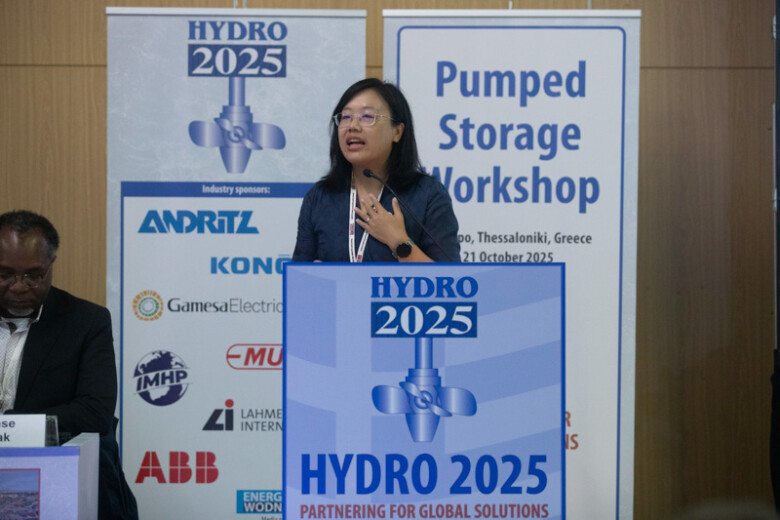
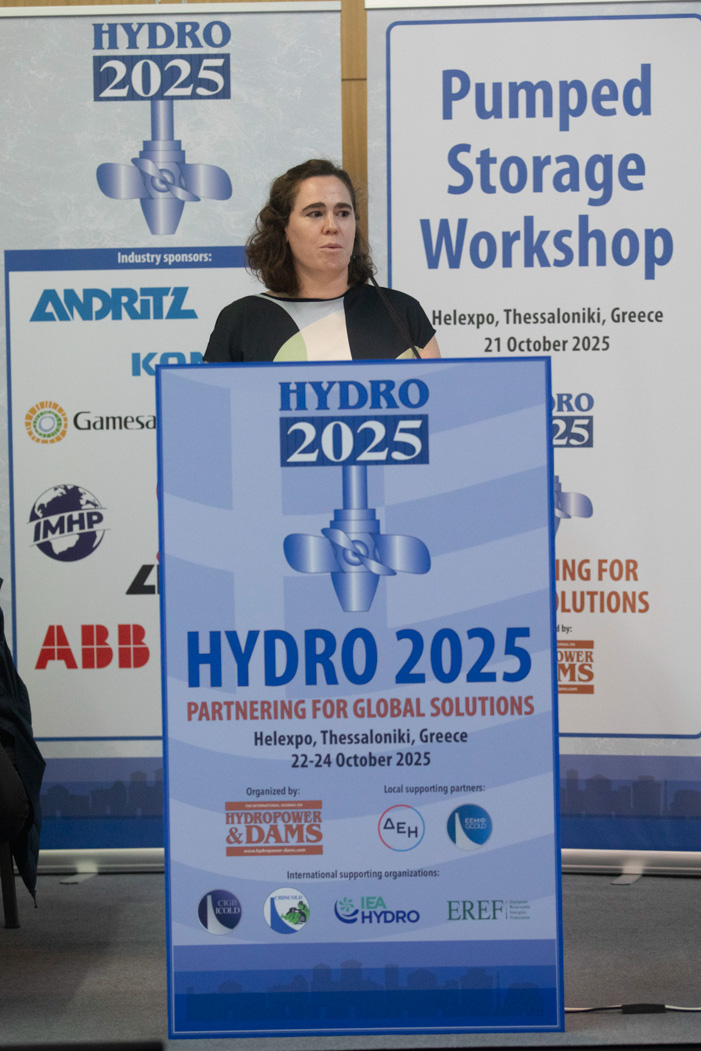
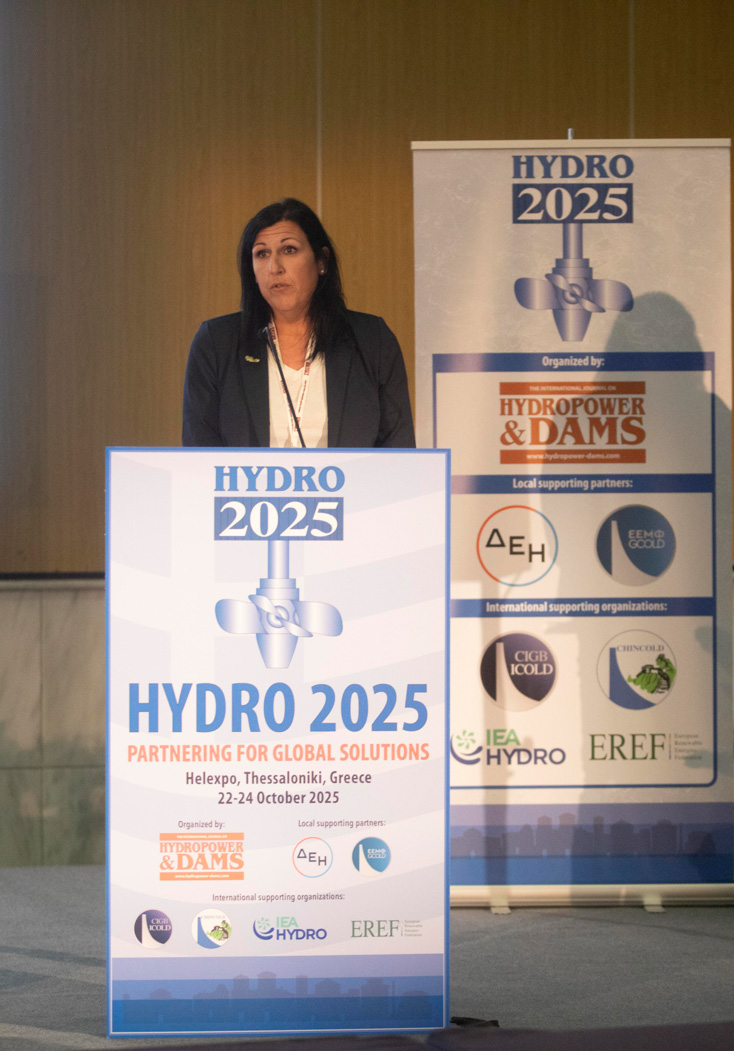
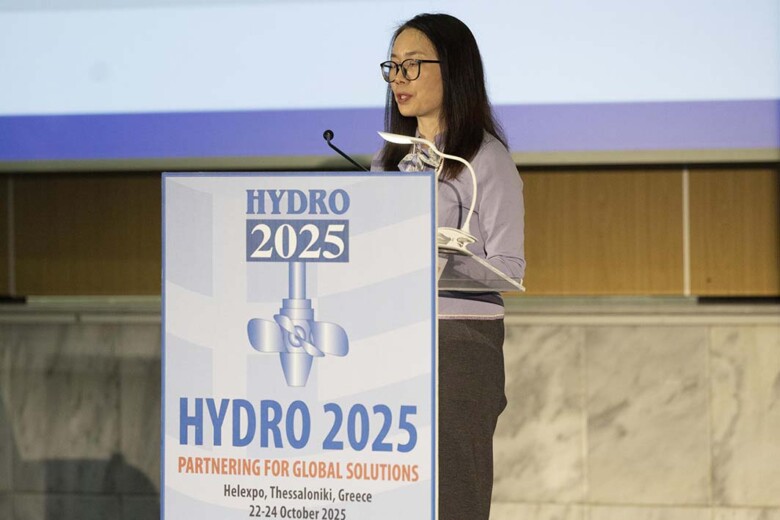
Bente Brunes, World Bank Group, in her opening remarks, underscored the fundamental point that an affordable, secure and plentiful energy supply is a lifeline for people and economies, and that 700 million people are still living without electricity. She demonstrated how hydropower could be transformational in this respect, noting that 1300 GW of new hydro was needed by 2050 to achieve universal access sustainably. She went on to outline ways in which the World Bank Group was working to remove the various technical, financial, environmental and governance-related barriers to make this happen.
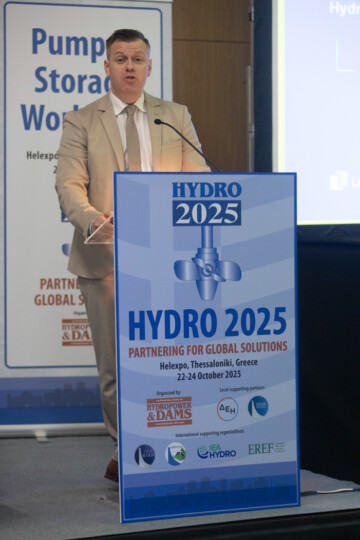
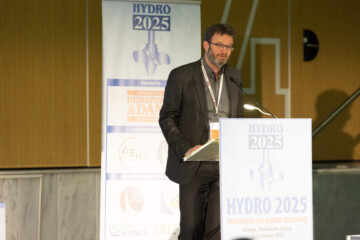
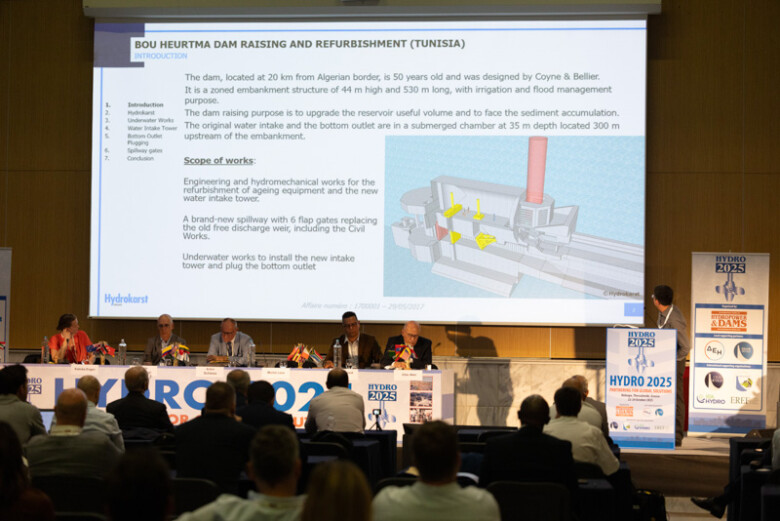
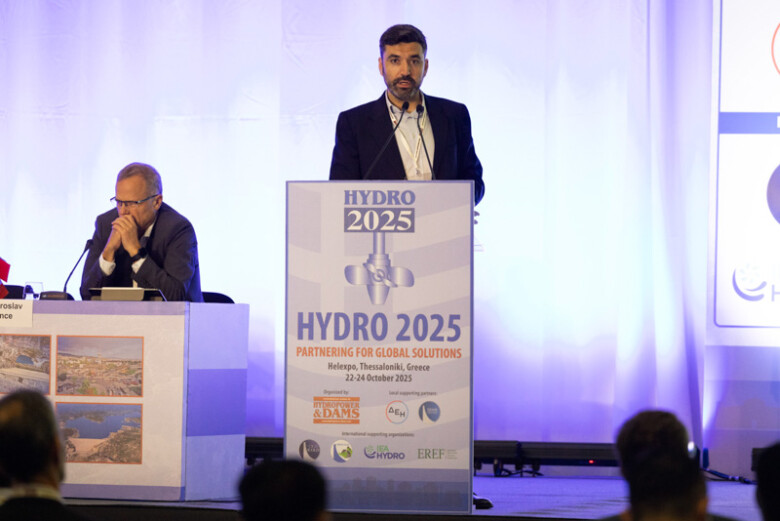
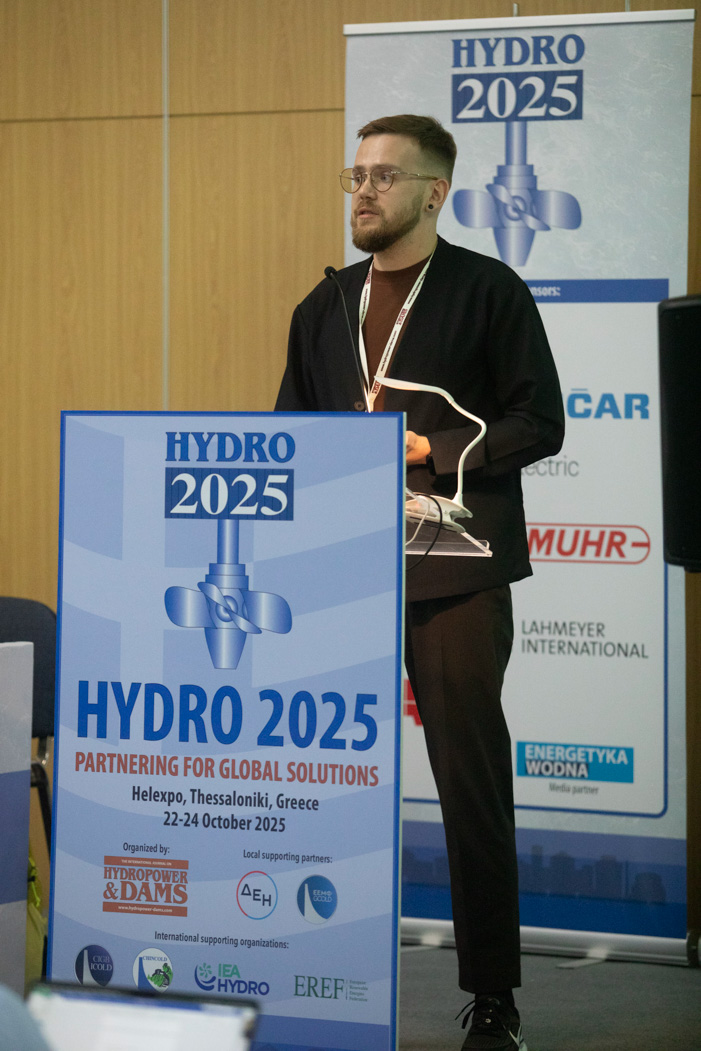
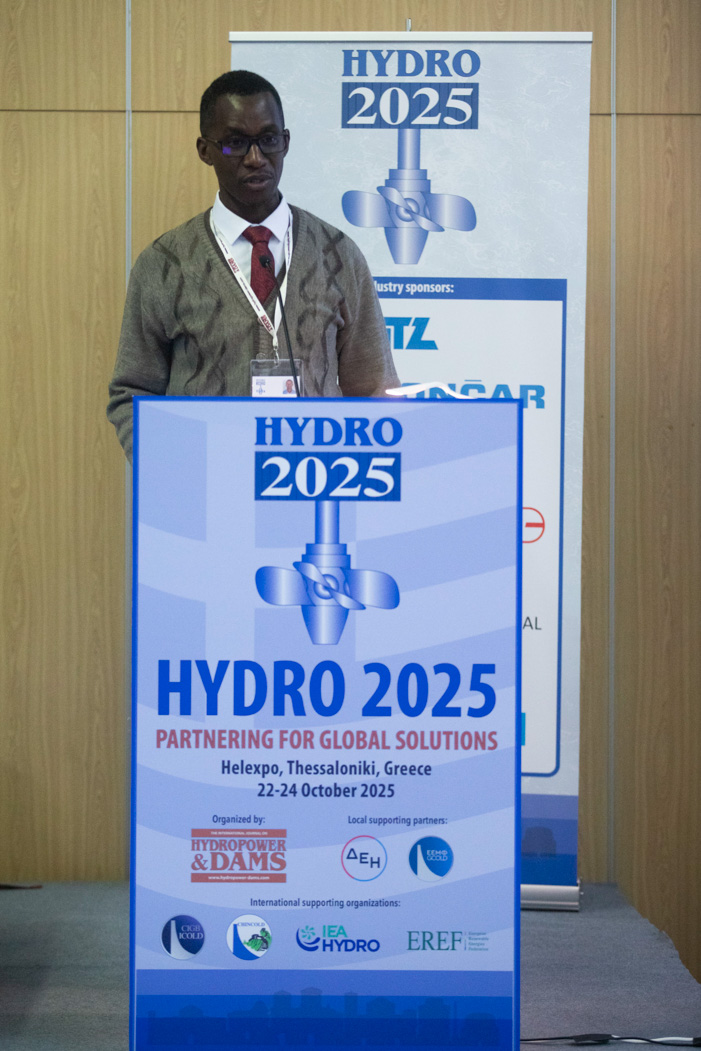
Igor Kolomiyets gave an update on power and water infrastructure in Ukraine, as engineers draw lessons from the constant bombardment, in their future planning. He spoke of the target to bring 3 GW more capacity back on line in the coming year, and later in the day learnt that at the same time as he was giving this talk, a further 3 GW of power had been lost, as a result of the day’s multiple air strikes on large power stations.
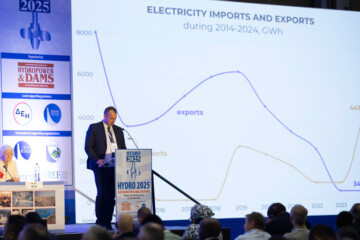
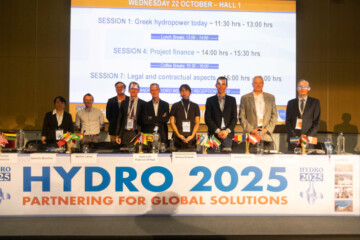
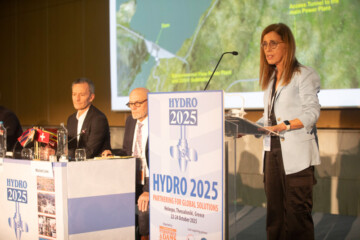
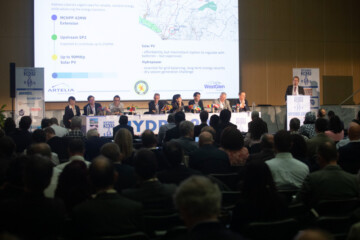
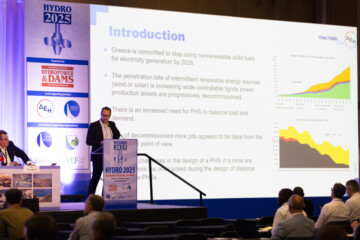
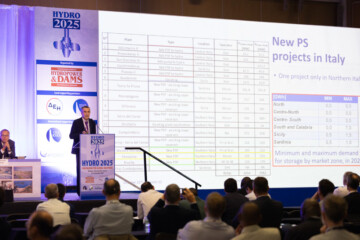
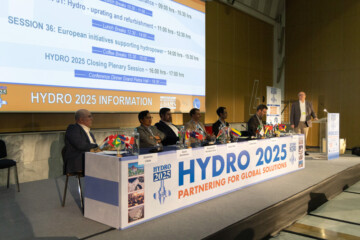
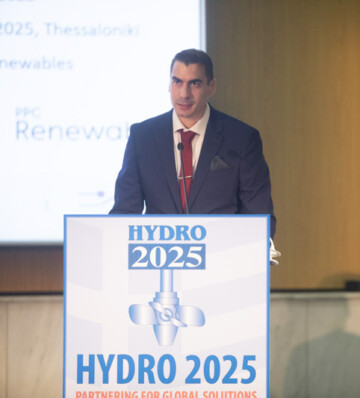
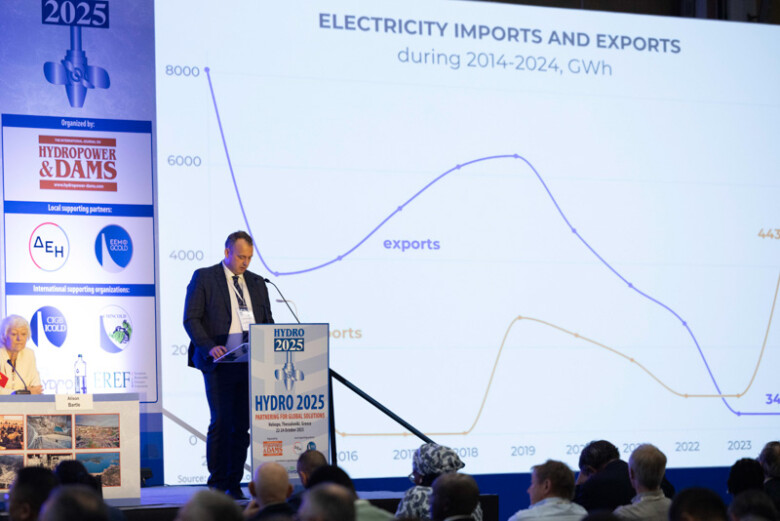
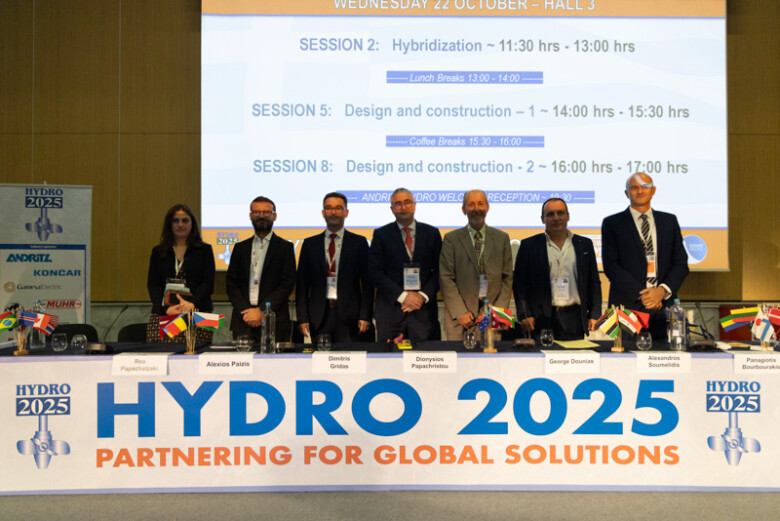
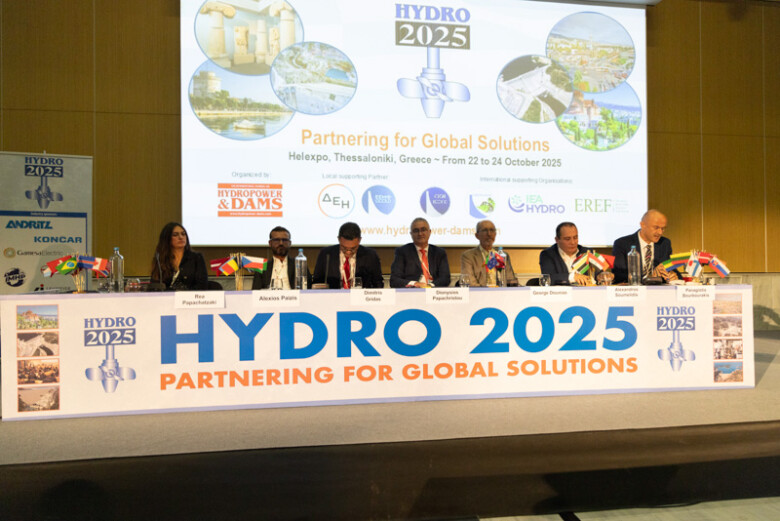
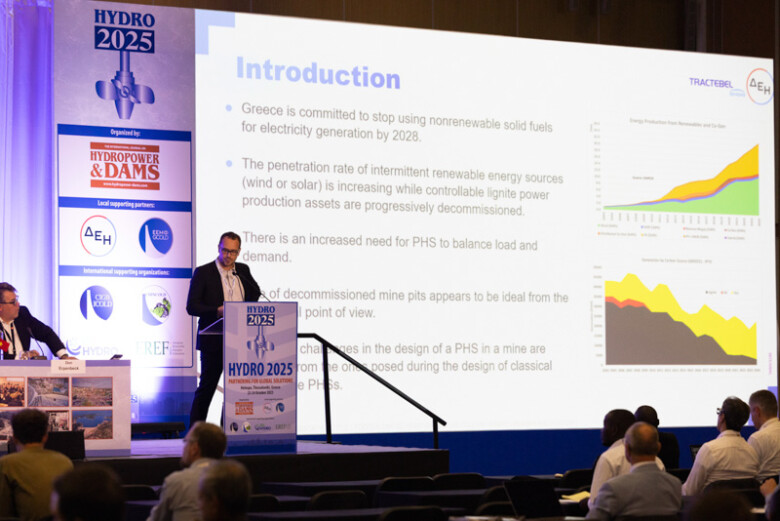
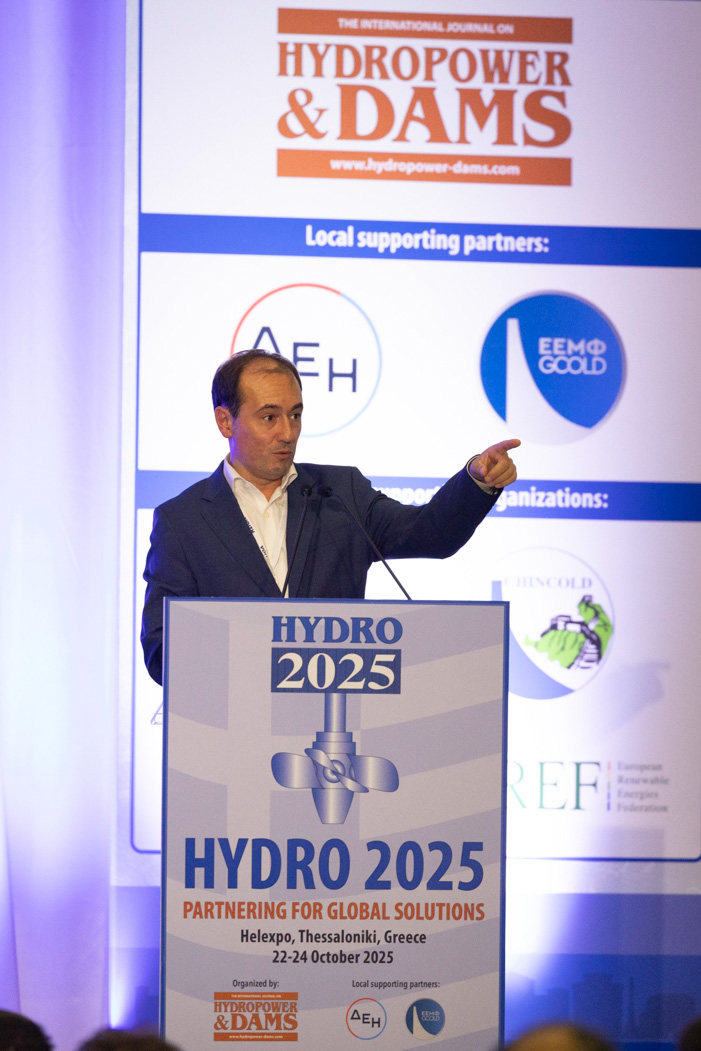
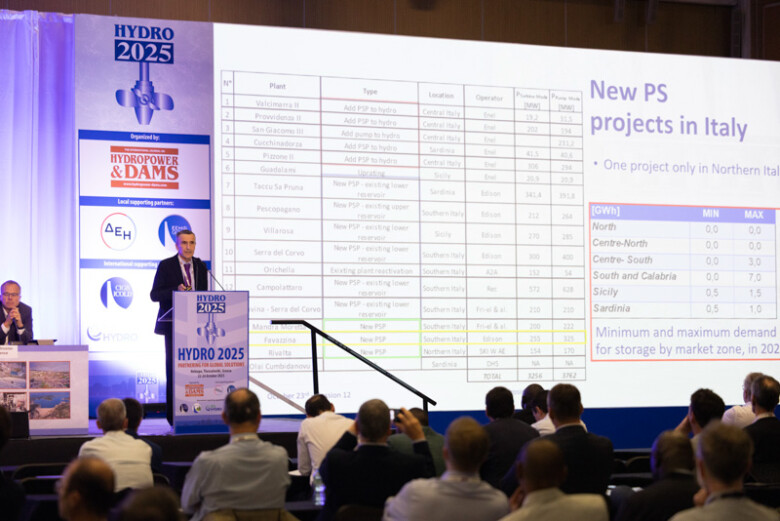
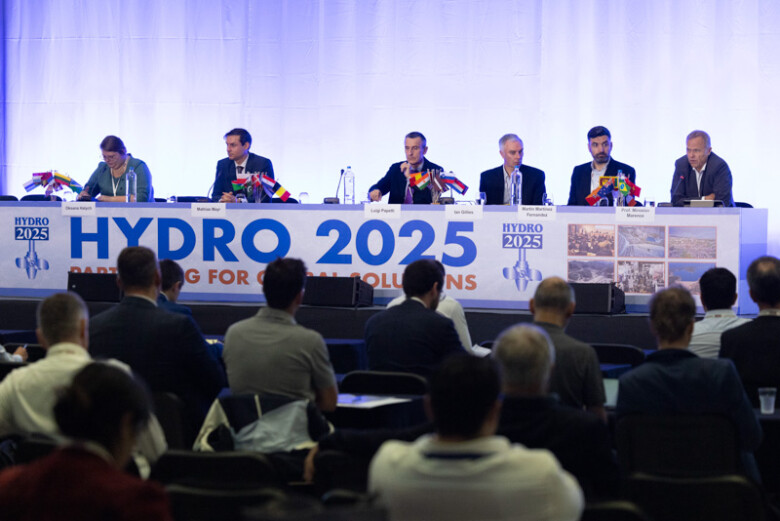
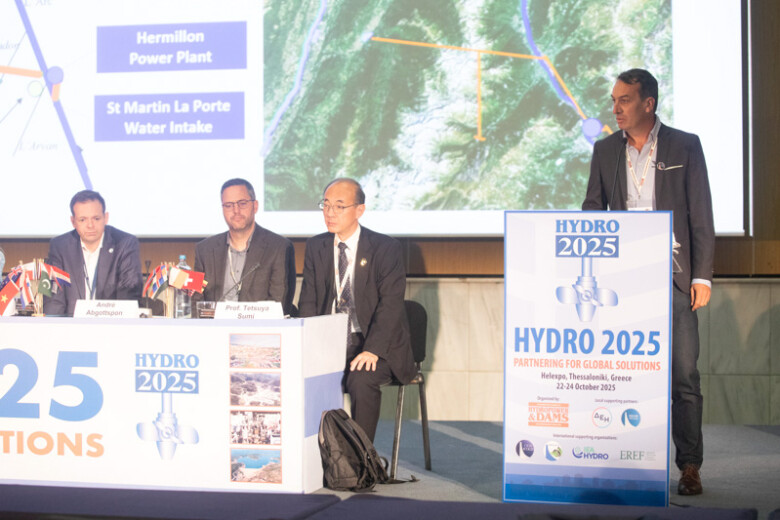
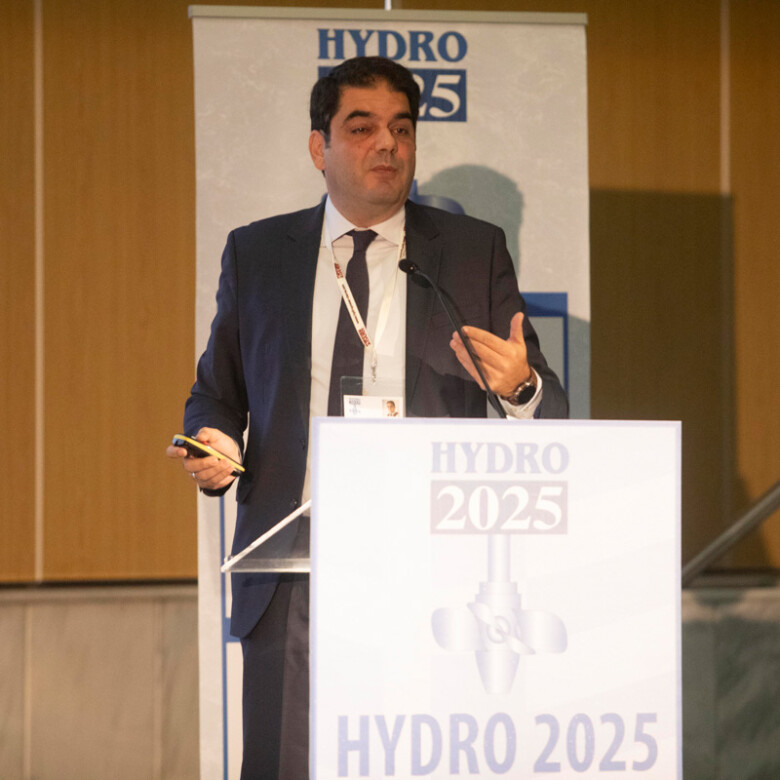
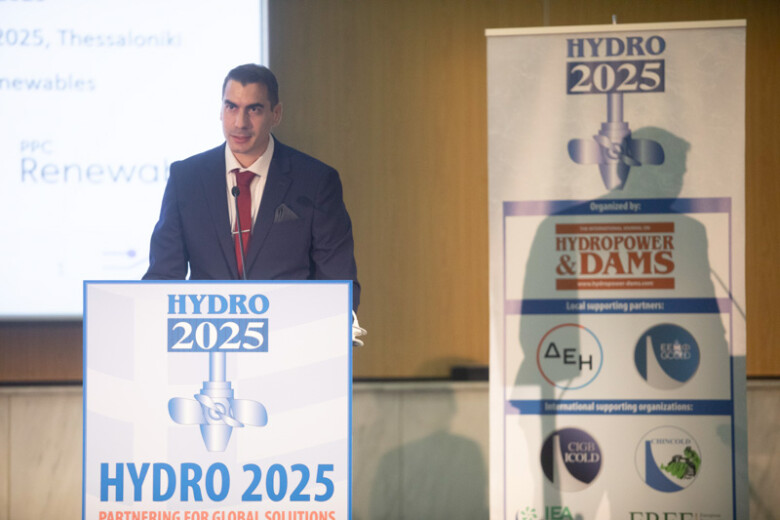
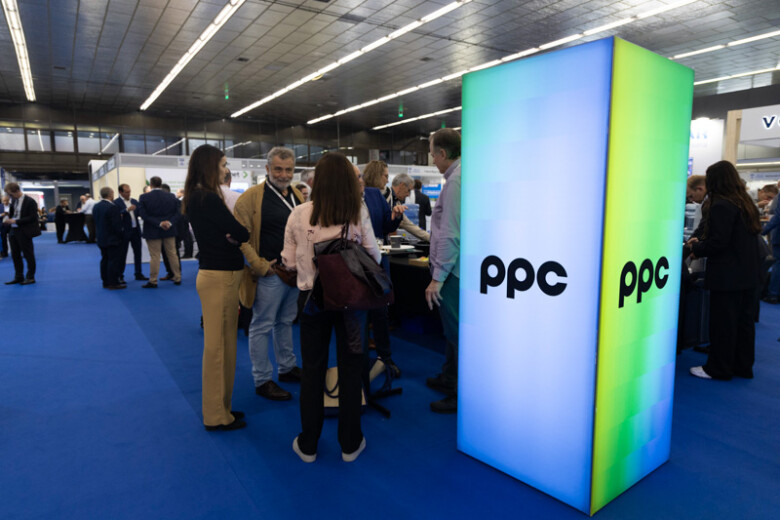
A special session on ‘Greek hydropower today’ reflected the enormous current upsurge in hydropower (particularly pumped-storage) development in the HYDRO 2025 host country. Alesandros Soumelidis, the Chief Generation Design and Development Officer of PPC, referred to the use of disused mines for pumped storage as ‘filling the hole that’s left by coal’, and demonstrated the importance of this strategy in the country’s energy transition. Other high-level participants in this session included D. Papachristou from the Regulatory Authority, who told delegates about the current licensing framework for large hydropower, and the future outlook, and D. Gridas of the Independent Power Transmission Operator for Greece, who spoke of hydropower from the perspective of his organization. Alexis Paizis, CEO of Conventional Generation at PPC, discussed hydropower in relation to the climate crisis. He drew attention to issues of water management between multiple users of water resources in reservoirs, in a country prone to drought. Future strategy, he said, would include building new infrastructure, increasing the capacity of existing reservoirs, and where possible converting existing hydro plants to add pumped storage. Regulatory frameworks would be optimized, he said, with centralized strategic planning and fast-track permitting.
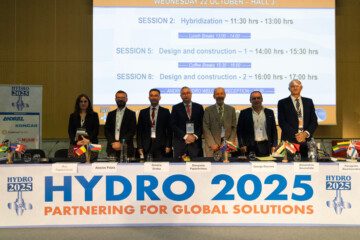
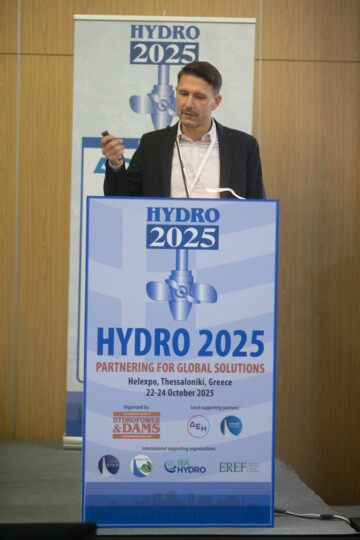
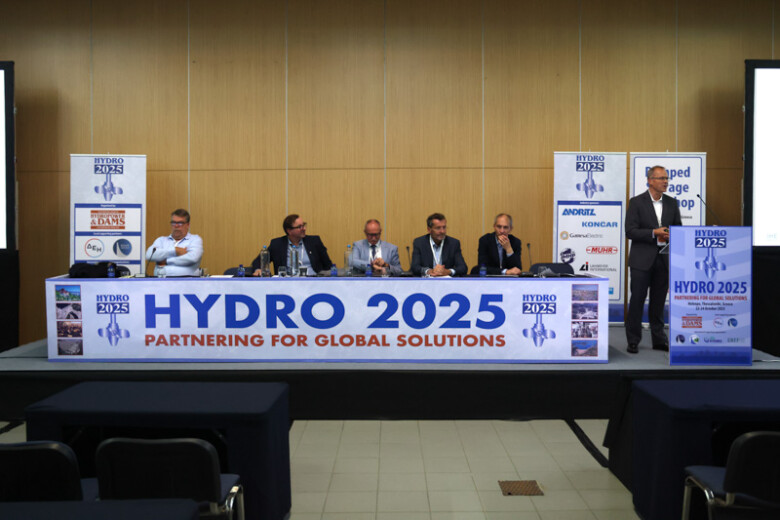
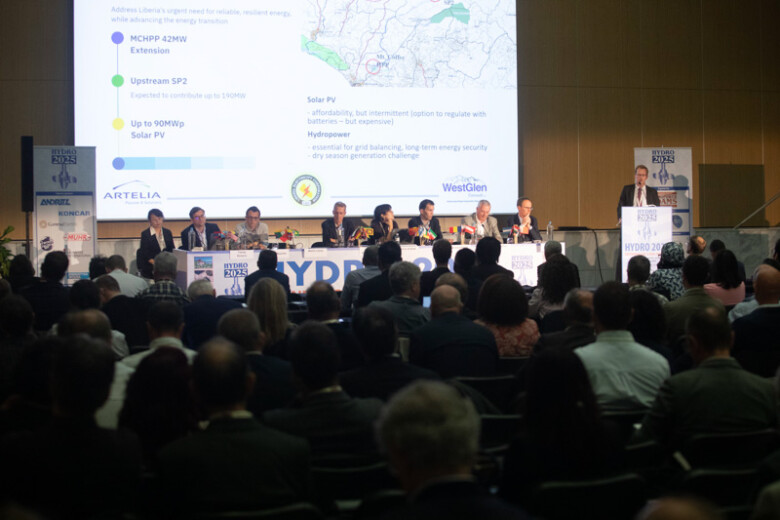
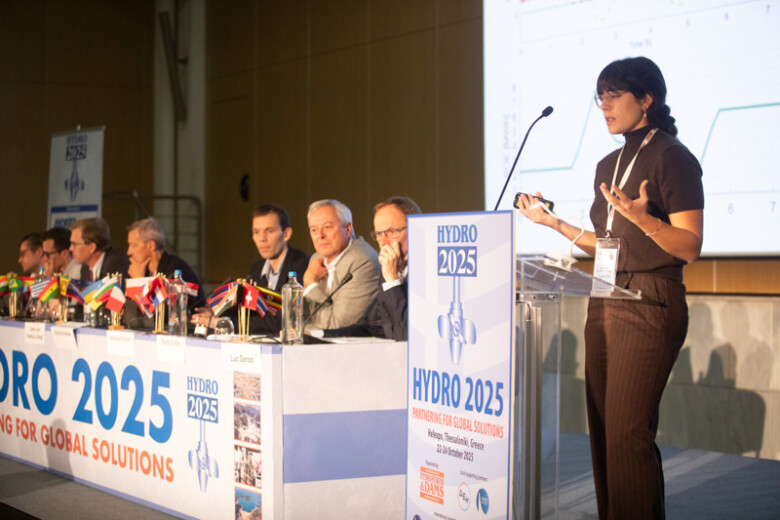
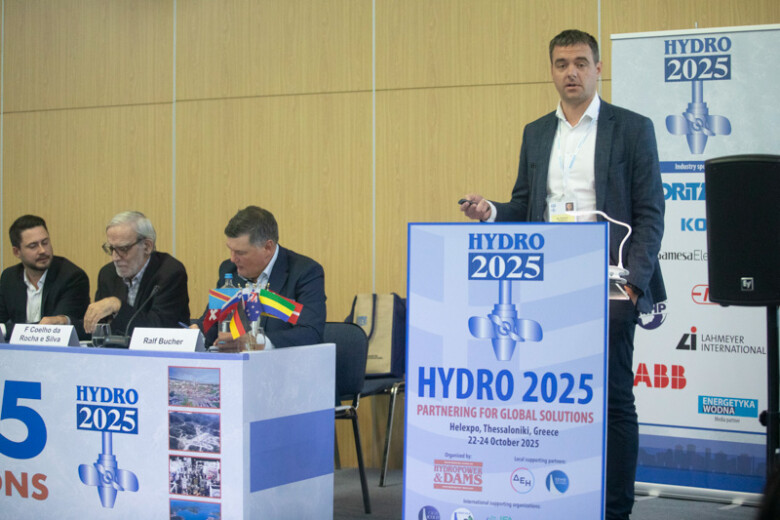
A session on hybridization, a subject which chairman Luc Deroo described as “adapting hydropower to the new energy landscape”, was especially well attended. Speakers demonstrated that the global energy sector is rapidly evolving with the increase in solar and wind power. In this shifting context, hydropower’s role is transitioning from baseload generation to delivering critical grid services. The session showed how hybridized powerplants are becoming a compelling, if more complex, solution for modern energy systems.
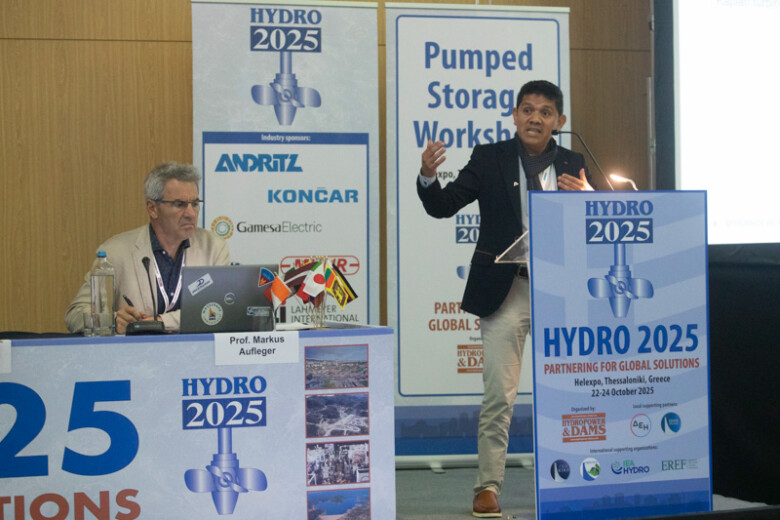
Pumped storage was the subject of four sessions, covering its role, innovative approaches to its development, and case studies from around the world. It was pointed out that the deployment of pumped storage depends on supportive market frameworks, clear revenue streams, and streamlined permitting.
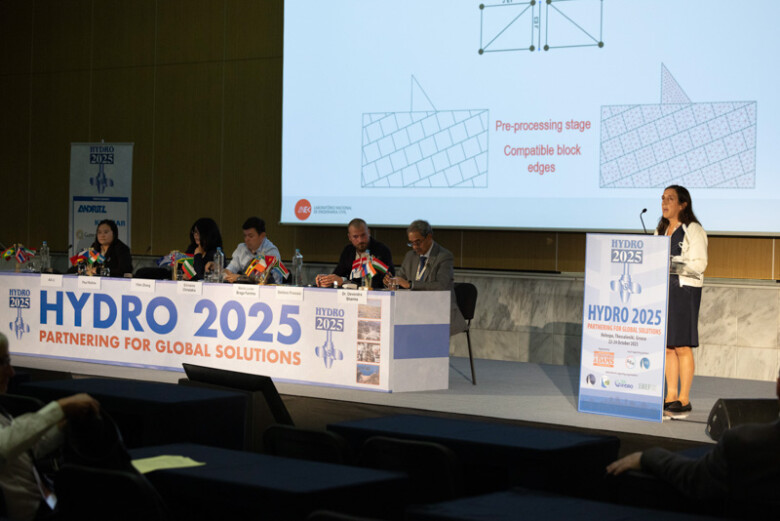
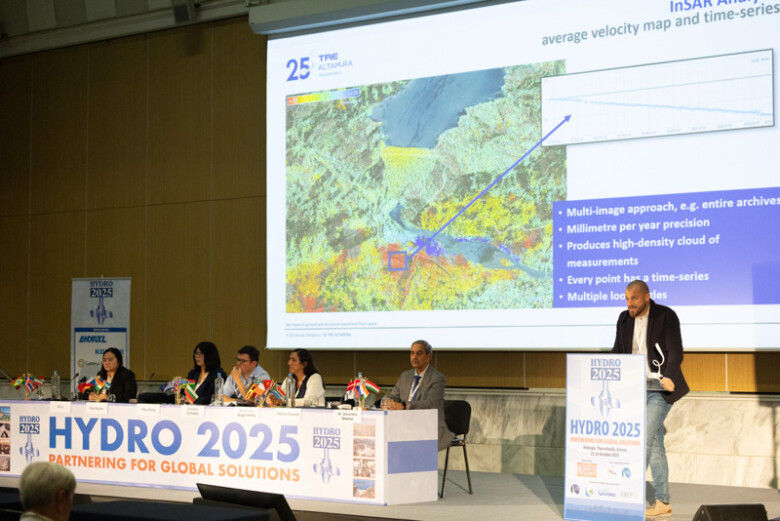
As always safety, monitoring, and natural hazard management were high on the agenda, with related subjects such as floods and gate safety also being covered in dedicated sessions.
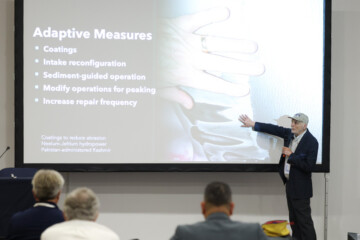
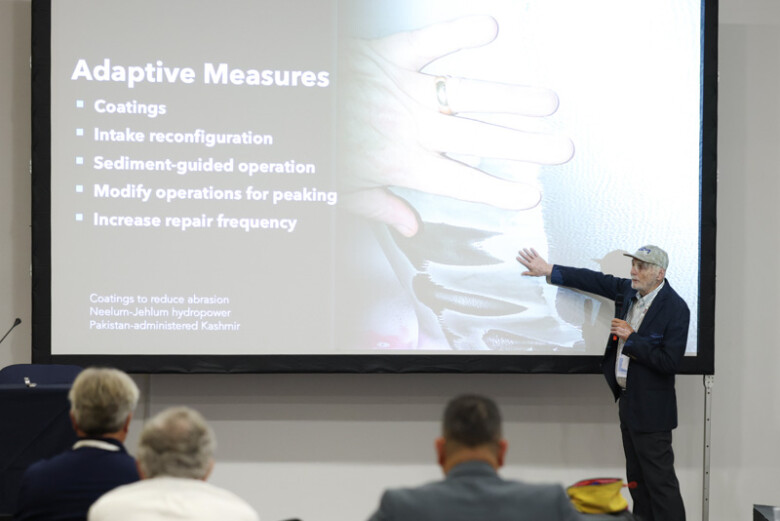
World experts on topics such as climate science, and sedimentation management, led talks on these topics.
Detailed reports of the sessions will follow in issue one of Hydropower & Dams.
Meanwhile, early comments from organizations in the profession, being shared on social media, describe HYDRO 2025 as: ‘inspirational’, ‘one of the world’s leading gatherings for meaningful discussion on hydropower, dam safety and RE innovation’, and a ‘forum for connections and discussions which will shape future collaboration’. The sub-title of the event: Partnering for global solutions, seems to have been apt, and the organizers are grateful for all who participated, and enriched debates.